
Movie spotlight
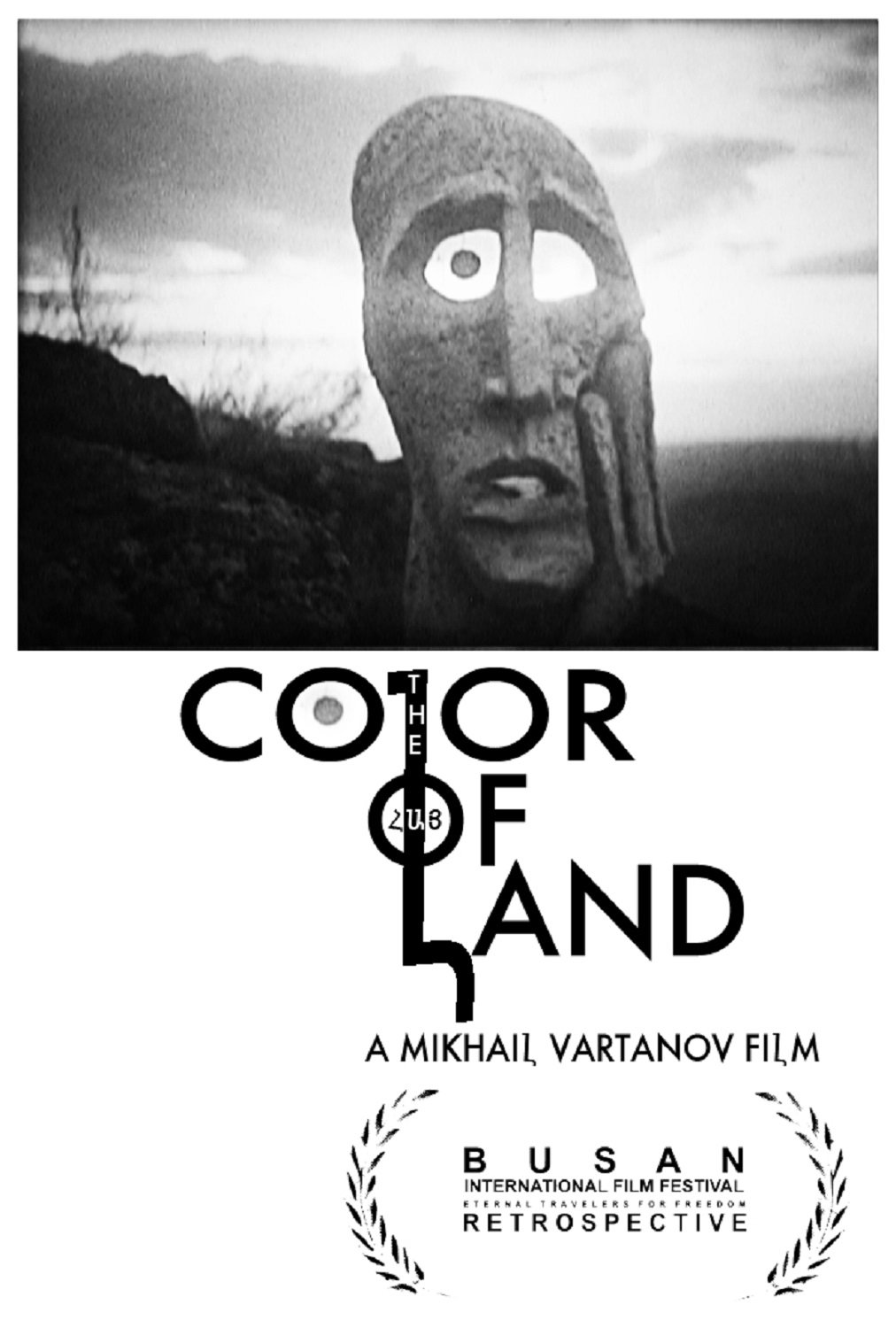
The Color of Armenian Land
In his wordless debut film, Mikhail Vartanov presents the ancient and modern art of Armenia through the post-impressionist painter Martiros Saryan’s silent commentary of gestures. Biblical landscapes, the ruins of temples, frescos, cross-stones, contemporary sculptures of Tchakmakchian (Chakmakchyan), the first appearance on film of iconic modernist painter Minas and his paintings, as well as the world famous behind-the-scenes episodes of Sergei Parajanov’s landmark "The Color of Pomegranates (Sayat Nova)." The film had its first public screening at one of the world’s largest and prestigious cinematic events, the Busan International Film Festival, 43 years after it was made.
Insights
Plot Summary
This documentary captures the vibrant spirit and cultural heritage of Armenia. It explores the diverse landscapes, from ancient historical sites to bustling modern life. The film showcases the resilience and artistic traditions of the Armenian people, offering a visual tapestry of their land and identity.
Critical Reception
Information on critical reception for 'The Color of Armenian Land' is scarce due to its age and documentary nature. However, films from this era focusing on national identity and culture were often appreciated for their ethnographic value and artistic presentation.
What Reviewers Say
Appreciated for its visual documentation of Armenian life and landscapes.
Offers insight into the cultural heritage of Armenia.
Documentary style that focuses on observation rather than narrative.
Google audience: As an older documentary, specific Google user reviews are not readily available. However, similar ethnographic films are typically valued by audiences interested in cultural exploration and historical context.
Fun Fact
The film was produced during a period when Soviet republics often produced documentaries to highlight their unique cultural identities within the Soviet Union.
AI-generated overview · Verify ratings on official sources