Movie spotlight
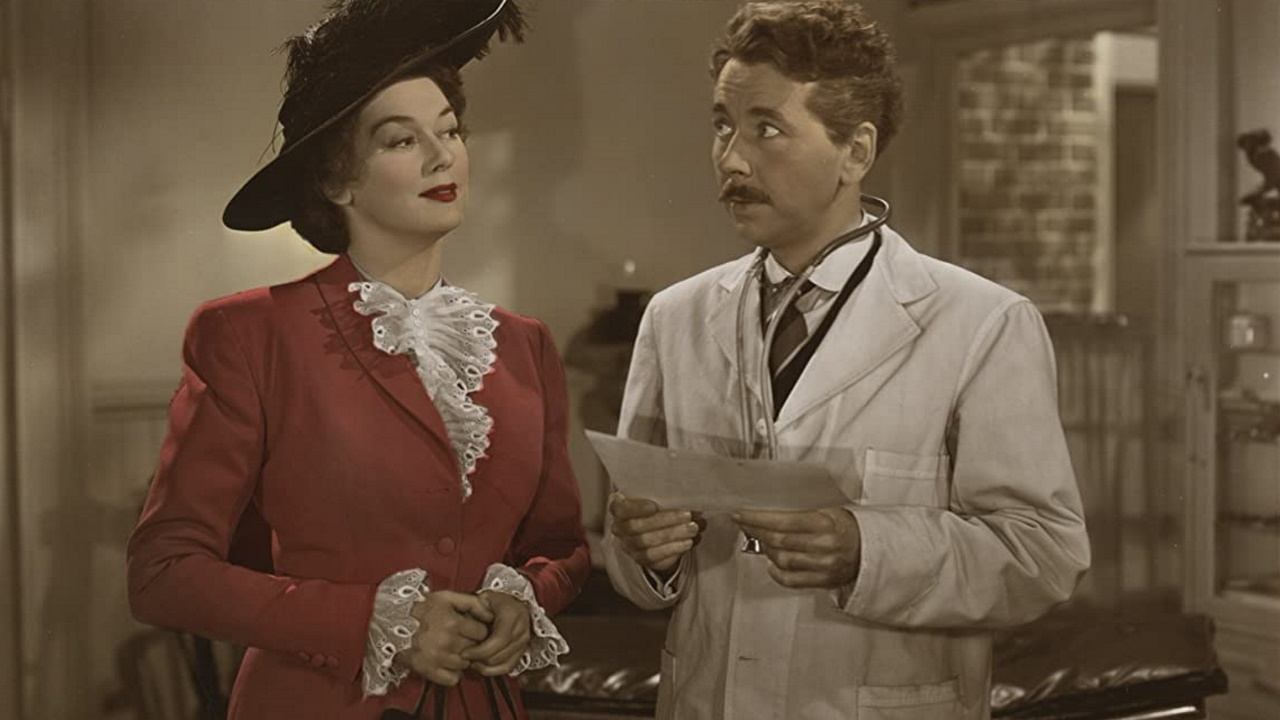
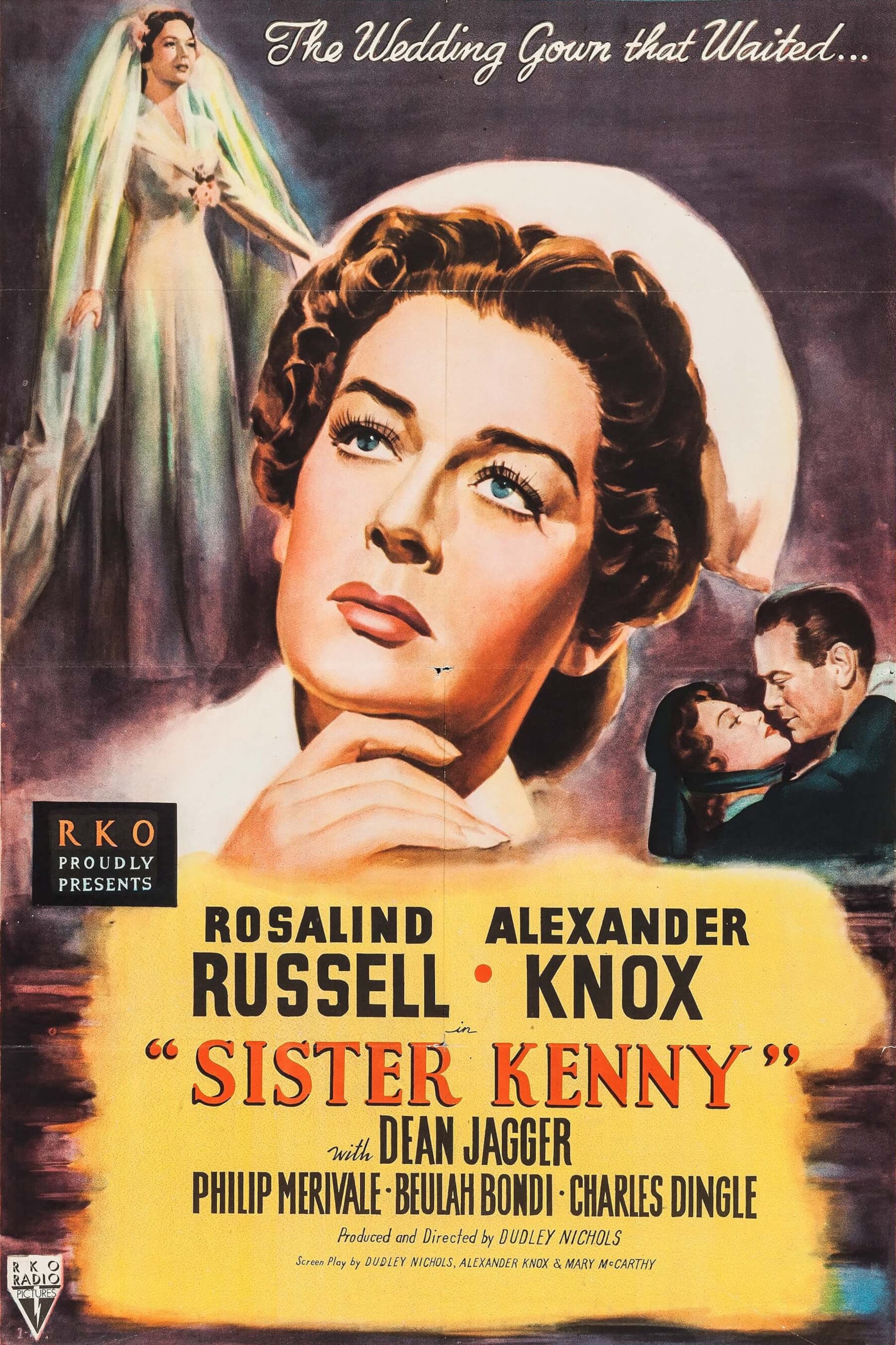
Sister Kenny
An Australian nurse discovers an effective new treatment for infantile paralysis, but experiences great difficulty in convincing doctors of the validity of her claims.
Insights
Plot Summary
The film chronicles the life of Elizabeth Kenny, an Australian nurse who develops a controversial but effective method for treating polio during a major outbreak. Facing skepticism and opposition from the medical establishment, Sister Kenny perseveres to bring her innovative therapies to children suffering from the paralyzing disease. Her dedication and the desperate need for a cure eventually lead to her techniques being recognized and implemented.
Critical Reception
Sister Kenny was generally well-received by critics, particularly for Rosalind Russell's powerful and Oscar-nominated performance. The film was praised for its earnest portrayal of a determined individual battling adversity and for bringing an important medical story to the screen. While some found the pacing occasionally slow, the overall sentiment was that it was a compelling and inspiring biographical drama.
What Reviewers Say
Rosalind Russell delivers a commanding and empathetic performance as the titular nurse.
The film effectively highlights the struggles and triumphs of a medical pioneer.
A moving, albeit somewhat conventional, biographical drama.
Google audience: Information regarding specific Google user reviews and ratings for this film from 1946 is not readily available in a comprehensive format.
Awards & Accolades
Nominated for 6 Academy Awards, including Best Picture, Best Actor (Rosalind Russell), Best Supporting Actor (Edgar Buchanan), Best Original Screenplay, Best Original Story, and Best Sound Recording.
Fun Fact
Despite being nominated for an Oscar for her role as Sister Kenny, Rosalind Russell famously lost to Olivia de Havilland for 'To Each His Own'.
AI-generated overview · Verify ratings on official sources