
Movie spotlight
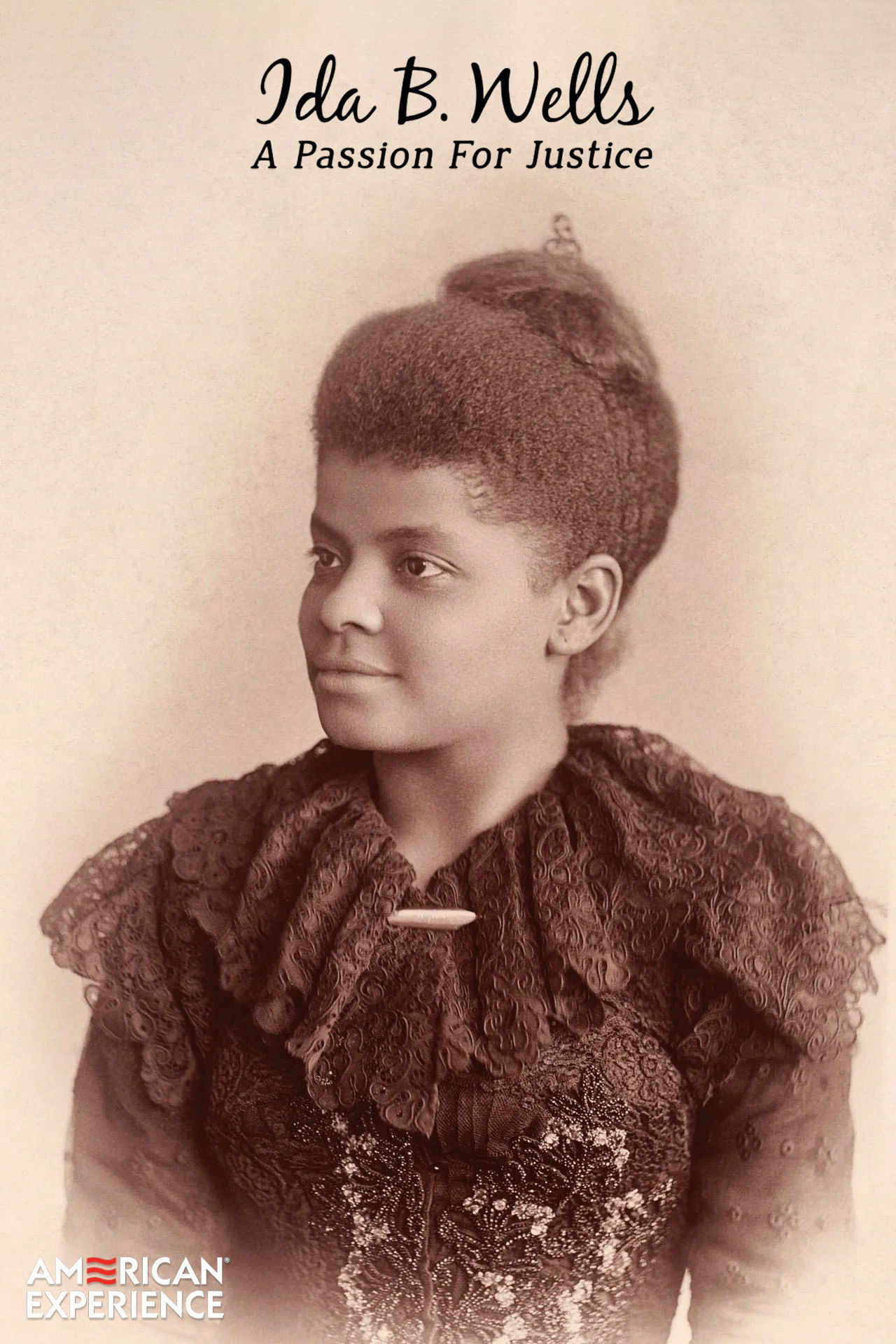
Ida B. Wells: A Passion for Justice
"Ida B. Wells: A Passion for Justice" documents the dramatic life and turbulent times of the pioneering African American journalist, activist, suffragist and anti-lynching crusader of the post-Reconstruction period. Nobel Prize-winning author Toni Morrison reads selections from Wells' memoirs and other writings in this winner of more than 20 film festival awards. (Note: Originally broadcast as an episode of the PBS documentary series "American Experience" (1989). The program has circulated widely as an independent documentary through educational distributors and library catalogs, supporting its treatment as a standalone film listing.)
Insights
Plot Summary
This documentary explores the extraordinary life of Ida B. Wells, an African American journalist, activist, and suffragist who bravely challenged racial injustice in the late 19th and early 20th centuries. It chronicles her pioneering work in investigative journalism, particularly her courageous reporting on lynching, and her lifelong fight for civil rights and women's suffrage.
Critical Reception
As part of the acclaimed 'American Experience' series, this documentary was well-received for its thorough research and compelling presentation of Ida B. Wells's vital historical contributions. It is praised for bringing to light the courage and impact of a significant, yet often overlooked, figure in American history.
What Reviewers Say
Highlights Wells's pioneering investigative journalism on lynching.
Emphasizes her role as a fearless activist for civil rights and women's suffrage.
Praises the documentary for illuminating an important historical figure.
Google audience: Information not readily available for this specific documentary.
Awards & Accolades
Nominated for a Primetime Emmy Award for Outstanding Informational Series (for the 'American Experience' series in general).
Fun Fact
Ida B. Wells was one of the first African Americans to file a lawsuit against an employer, successfully suing the railroad company after being forcibly removed from a first-class train car in 1884.
AI-generated overview · Verify ratings on official sources