Movie spotlight
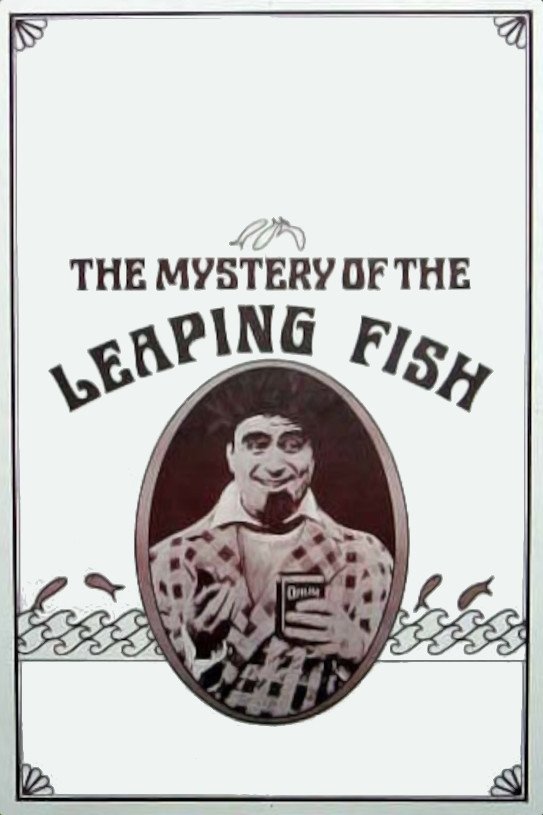
The Mystery of the Leaping Fish
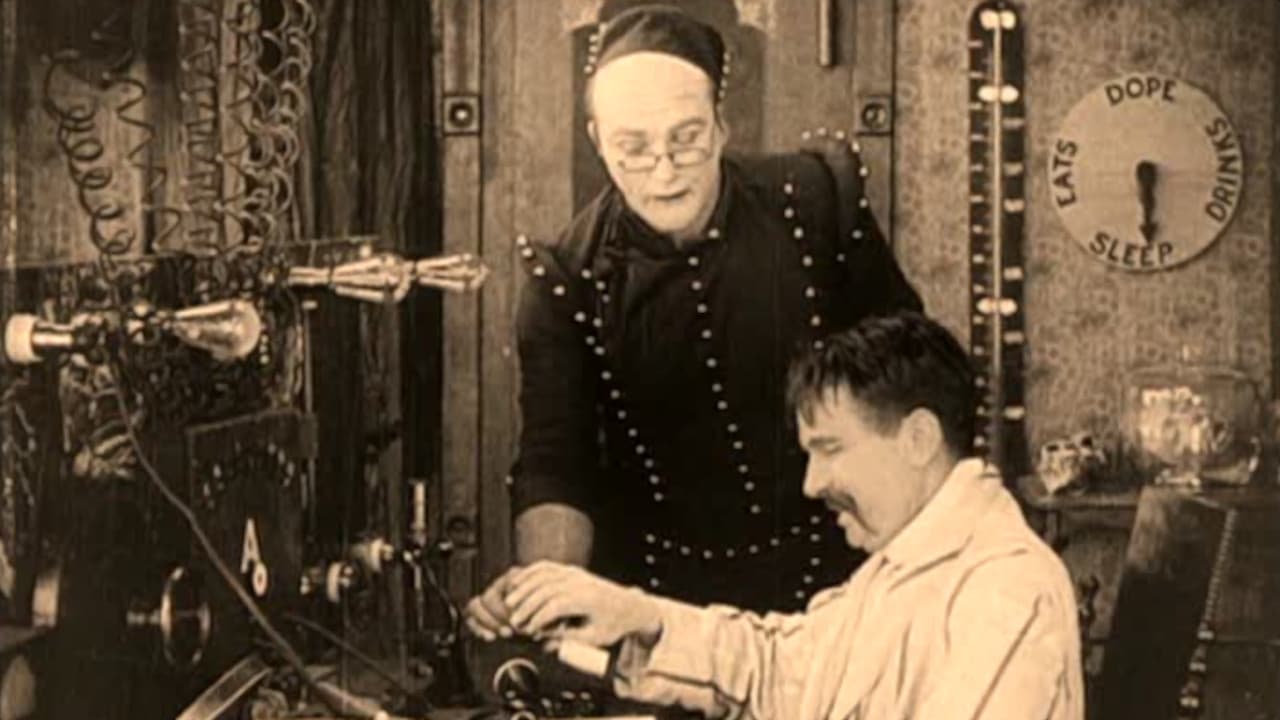
Coke Ennyday, the scientific detective, divides his time into periods of "Sleep", "Eat", "Dope" and "Drinks". In fact, he overcomes every situation with drugs: consuming cocaine to increase his energy or injecting it in his opponents to incapacitate them. To help the police, he tracks down a contraband of opium (which he eagerly tastes) transported within "leaping fishes", saving a "fish-blower" girl from blackmail along the way.
Insights
Plot Summary
The film follows 'Coke' Ennyve, a notorious detective who uses cocaine to enhance his investigative abilities, as he takes on a case involving stolen opium. He encounters various characters and situations, often in a drug-induced haze, as he attempts to solve the mystery. The movie is a satirical take on detective stories and the use of drugs.
Critical Reception
As a silent comedy short from 1916, 'The Mystery of the Leaping Fish' is primarily noted for its historical significance and its satirical approach to the detective genre, rather than for critical acclaim in the modern sense. Its reception was likely tied to the popularity of Douglas Fairbanks and the novelty of its subject matter at the time.
What Reviewers Say
Acknowledged as an early example of satire in film.
Douglas Fairbanks' energetic performance is a highlight.
The film's exploration of drug use was considered controversial or novel for its era.
Google audience: Information on specific Google user reviews for this short silent film from 1916 is not readily available or verifiable.
Fun Fact
The film is notable for its candid portrayal and satirical use of cocaine, which was still legal and unregulated in the United States at the time of its release.
AI-generated overview · Verify ratings on official sources