
Movie spotlight
The Siege: Leningrad Metronome
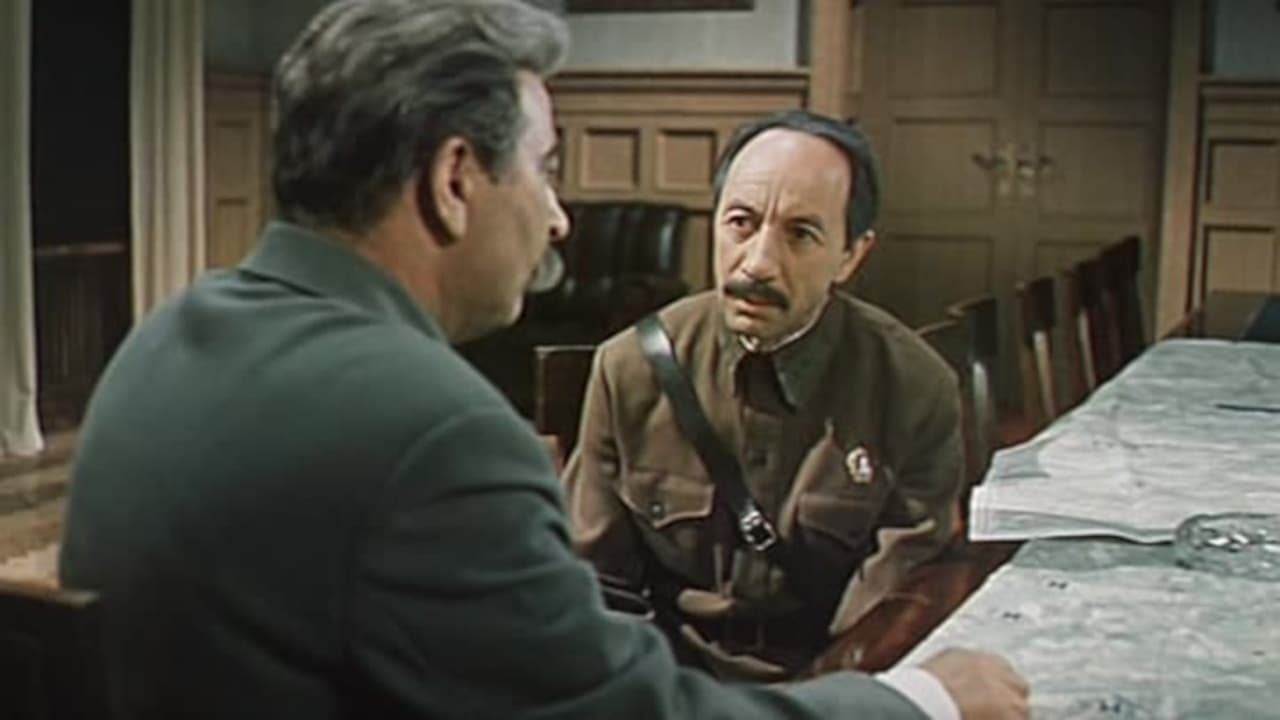
A story about the tragic events in the life of besieged Leningrad from September 1941 to January 1943.
Insights
Plot Summary
Set during the brutal Siege of Leningrad, this film tells the story of ordinary people struggling to survive amidst the relentless bombardment and starvation. It focuses on the resilience of the human spirit and the power of art and music to offer solace and hope in the darkest of times. Through the eyes of a diverse group of characters, the film depicts their daily battles against hunger, cold, and despair, while seeking moments of connection and humanity.
Critical Reception
Critically acclaimed upon its release, 'The Siege: Leningrad Metronome' is regarded as a powerful and poignant depiction of the suffering and resilience during one of World War II's most harrowing sieges. It was praised for its stark realism, strong performances, and moving portrayal of human endurance. While not widely distributed internationally, it holds a significant place in Soviet cinema for its historical significance and emotional impact.
What Reviewers Say
A deeply moving and harrowing portrayal of civilian endurance during wartime.
Praised for its authentic depiction of the Siege of Leningrad and its human cost.
The film highlights the importance of art and hope in the face of immense suffering.
Google audience: Information not available for Google user reviews.
Fun Fact
The film's title refers to the constant, maddening sound of a metronome that was broadcast over Leningrad radio to mark the time and remind citizens of the passing of each minute of the siege, serving as a psychological tool of both endurance and dread.
AI-generated overview · Verify ratings on official sources