Movie spotlight
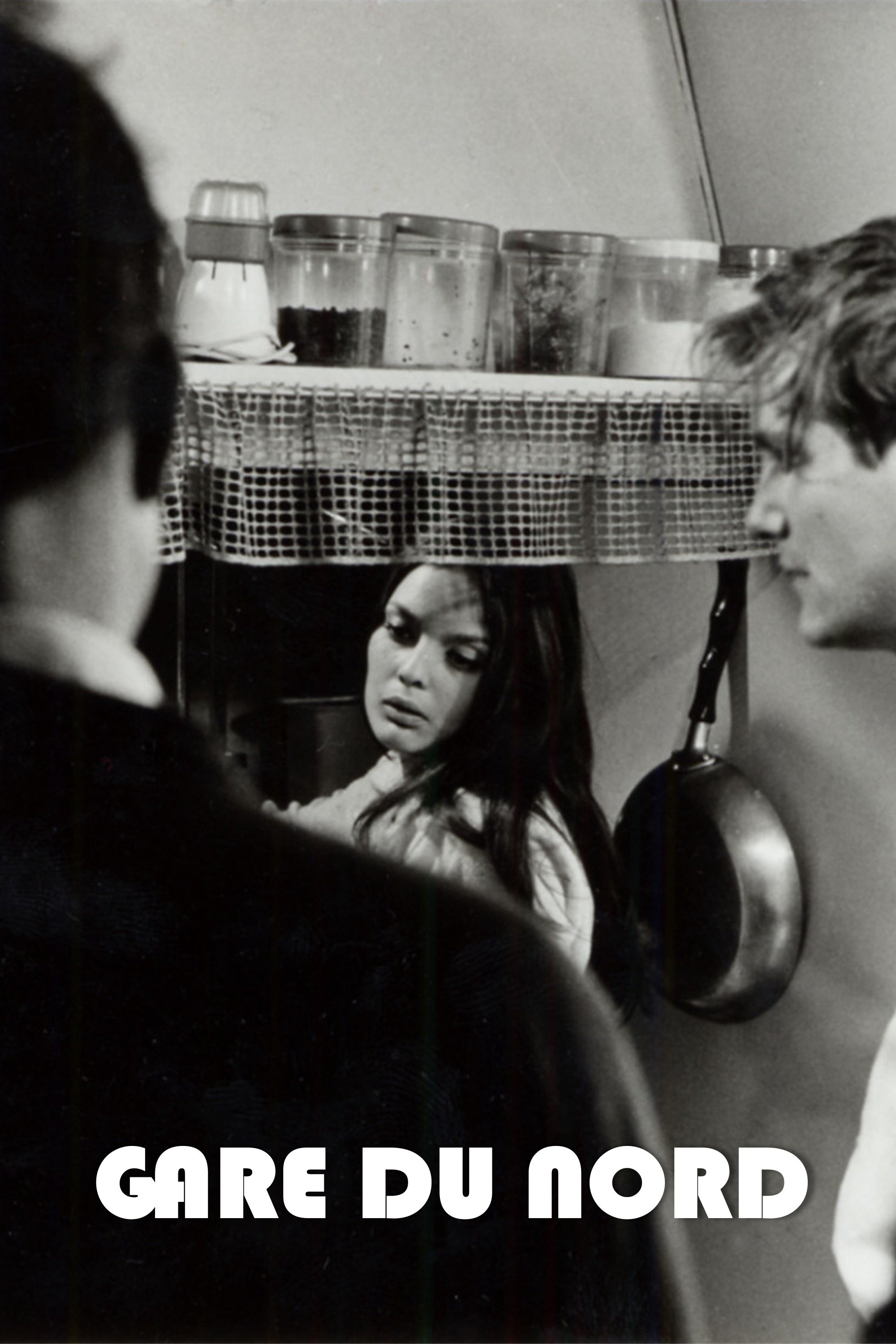
Gare du Nord
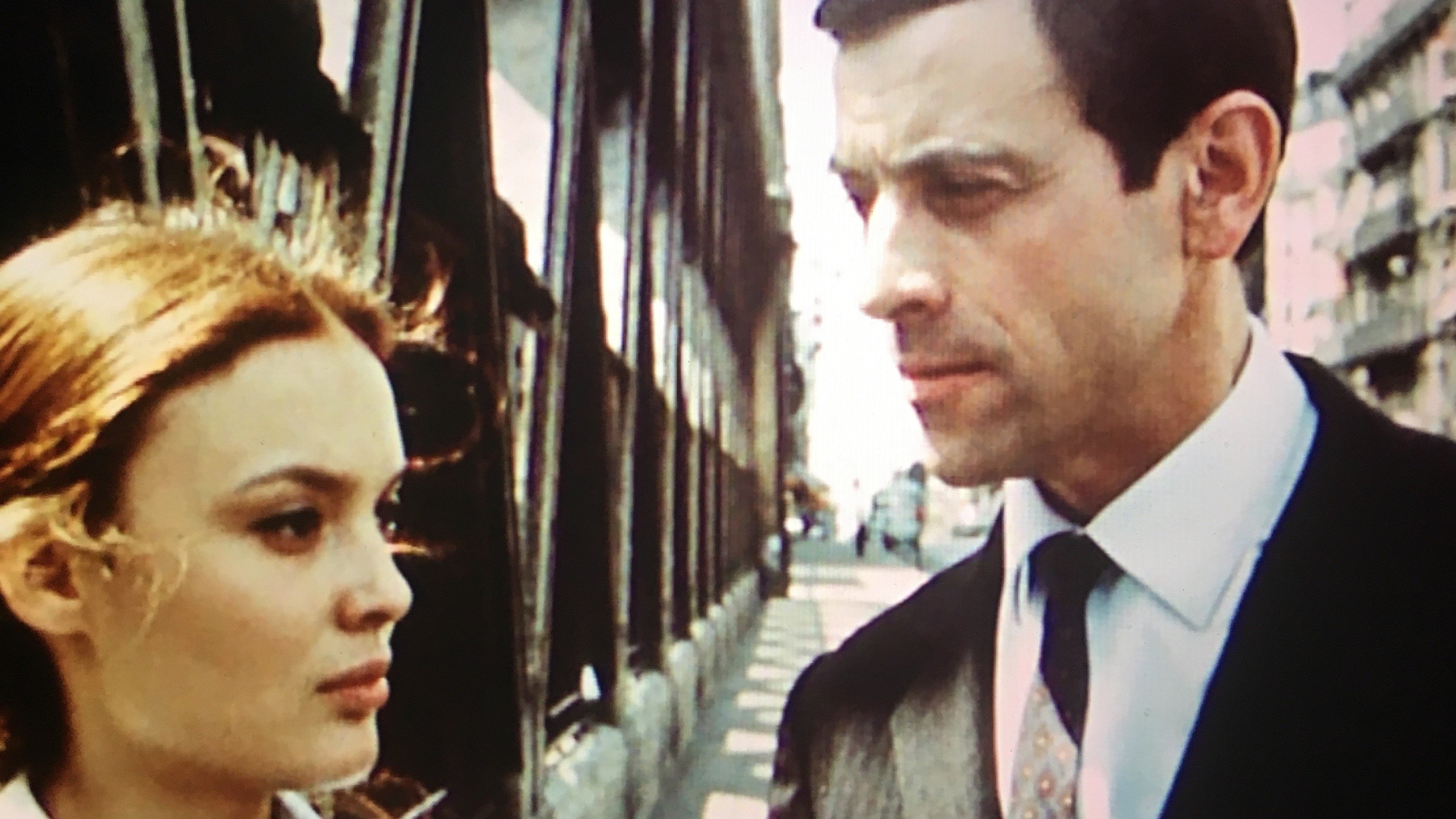
In a busy, noisy neighborhood, a frustrated young wife in a failing marriage is offered her freedom by her indifferent husband, but has second thoughts after meeting an intriguing stranger.
Insights
Plot Summary
Filmed in Niger, 'Gare du Nord' explores the everyday lives and interactions of people in the bustling Gare du Nord train station. The documentary captures a slice of life, focusing on the characters who inhabit this transit hub and their relationships with each other and the environment. Rouch uses his signature ethnographic approach to observe and record the human dynamics within this specific social space.
Critical Reception
As an ethnographic documentary, 'Gare du Nord' is primarily recognized for its observational style and its contribution to the study of human behavior in public spaces. Critics often note Jean Rouch's pioneering techniques in direct cinema and his ability to reveal intimate aspects of social life through seemingly simple observation. While not a mainstream commercial success, it is highly regarded within academic and documentary film circles for its anthropological insights.
What Reviewers Say
Praised for its raw, observational ethnographic style.
Seen as an important work in the development of direct cinema.
Highlights the universality of human interaction within a specific cultural context.
Google audience: Audience reception is not widely available for this specialized documentary, but it is typically appreciated by those interested in ethnographic filmmaking and Jean Rouch's distinct cinematic approach.
Fun Fact
Jean Rouch was a pioneer of ethnographic filmmaking, often immersing himself in the communities he filmed and employing techniques that blurred the lines between filmmaker and subject.
AI-generated overview · Verify ratings on official sources