Movie spotlight
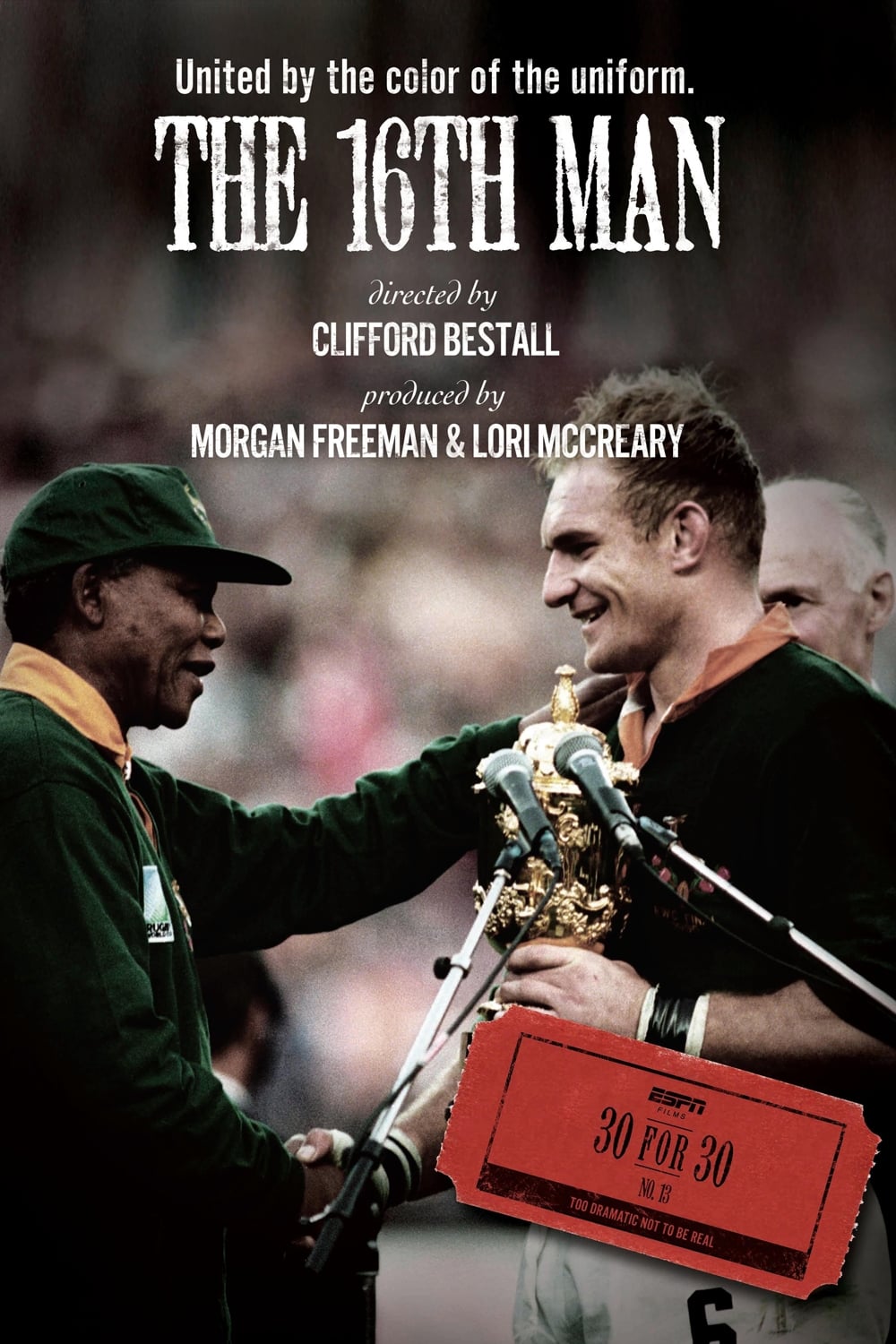
The 16th Man
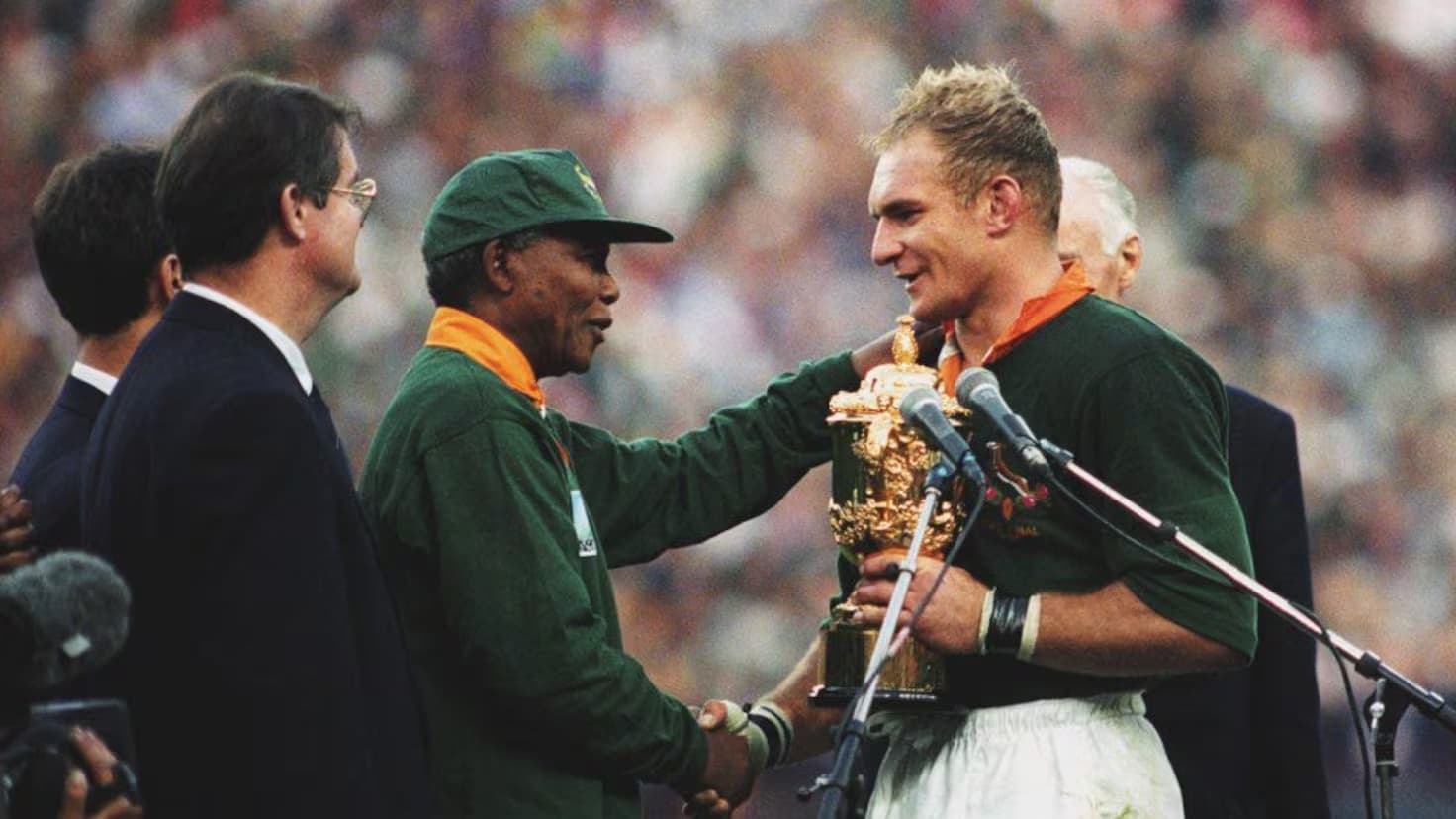
Rugby Union has long been viewed in South Africa as a game for the white population, and the country’s success in the sport has been a true source of Afrikaner pride. When the 50-year-old policies and entrenched injustices of apartheid were finally overthrown in 1994, Nelson Mandela’s new government began rebuilding a nation badly in need of racial unity. So the world was watching when South Africa played host to the 1995 Rugby World Cup. Though they had only one non-white player, the South African Springboks gained supporters of all colors as they made an improbable run into the final match where they beat the heavily favored New Zealand team. When Mandela himself marched to the center of the pitch cloaked in a Springbok jersey and shook hands with the captain of the South African team, two nations became one. Oscar winner Morgan Freeman and director Cliff Bestall will tell the emotional story of that cornerstone moment and what it meant to South Africa’s healing process.
Insights
Plot Summary
The film chronicles the true story of the South African rugby team's journey to the 1995 Rugby World Cup. It focuses on the strategic importance of the team, the Springboks, and their captain Francois Pienaar, under the leadership of Nelson Mandela, to unite a nation divided by apartheid. The narrative highlights the intense pressure and the symbolic significance of their quest for the championship.
Critical Reception
The 16th Man received a mixed to positive reception from critics, with many praising its historical significance and inspirational narrative. However, some reviews noted that the film, while well-intentioned, did not fully capture the complex political and social nuances of the era. Audience reception was generally favorable, appreciating its uplifting sports drama elements and historical context.
What Reviewers Say
Praised for its inspirational sports narrative and historical backdrop.
Acknowledged for its depiction of rugby's role in post-apartheid South Africa.
Some criticism for not delving deeper into the socio-political complexities.
Google audience: Information on specific Google user reviews and their sentiment is not readily available.
Fun Fact
The film is based on the true story of the 1995 Rugby World Cup win by South Africa, a pivotal moment in the country's history following the end of apartheid.
AI-generated overview · Verify ratings on official sources