IMDb8.0/10
Rotten Tomatoes98%
Metacritic98
Google Users94%
Director: Akira Kurosawa•Genres: Crime, Drama, Mystery
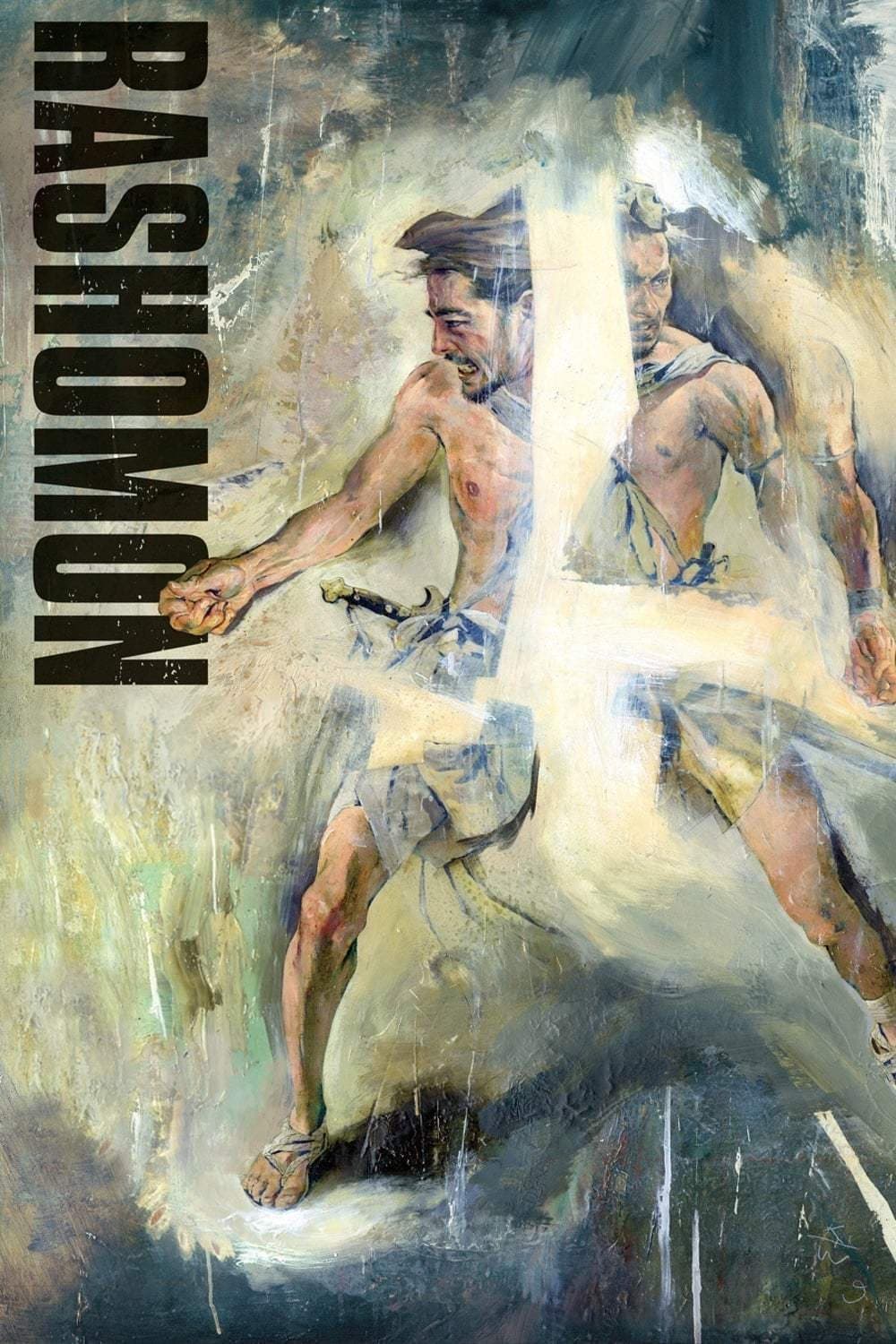
A samurai and his wife are traveling through a forest when they are attacked by a bandit. The samurai is subsequently murdered, and the wife disappears. When the case comes to trial, a policeman, a woodcutter, and a priest recount their varying, conflicting testimonies of the events that transpired, each offering a different perspective on the truth. The bandit, the wife, and the samurai (through a medium) all provide their own self-serving accounts, blurring the lines of objective reality.
Rashomon was a critical and commercial success, becoming one of the most influential foreign films ever released in the United States and Europe. It was lauded for its innovative narrative structure and exploration of subjective truth, earning Kurosawa international acclaim.
Praised for its groundbreaking narrative structure that challenges the concept of objective truth.
Acclaimed for its stunning cinematography and evocative performances, particularly Toshiro Mifune's.
Considered a masterpiece of world cinema for its profound philosophical themes and psychological depth.
Google audience: Audiences consistently praise Rashomon for its masterful storytelling and its enduring impact on cinema. Many highlight its ability to provoke thought about perception and truth, while others are captivated by its atmospheric presentation and the compelling performances of its cast.
Won the Grand Prize at the Venice Film Festival (1951) and received an Honorary Academy Award (1952) for 'most outstanding foreign language film released in the United States during the year'.
The term 'Rashomon effect' was coined to describe situations where witnesses to an event provide vastly different, often self-serving, accounts of what happened.
AI-generated overview · Verify ratings on official sources