Movie spotlight
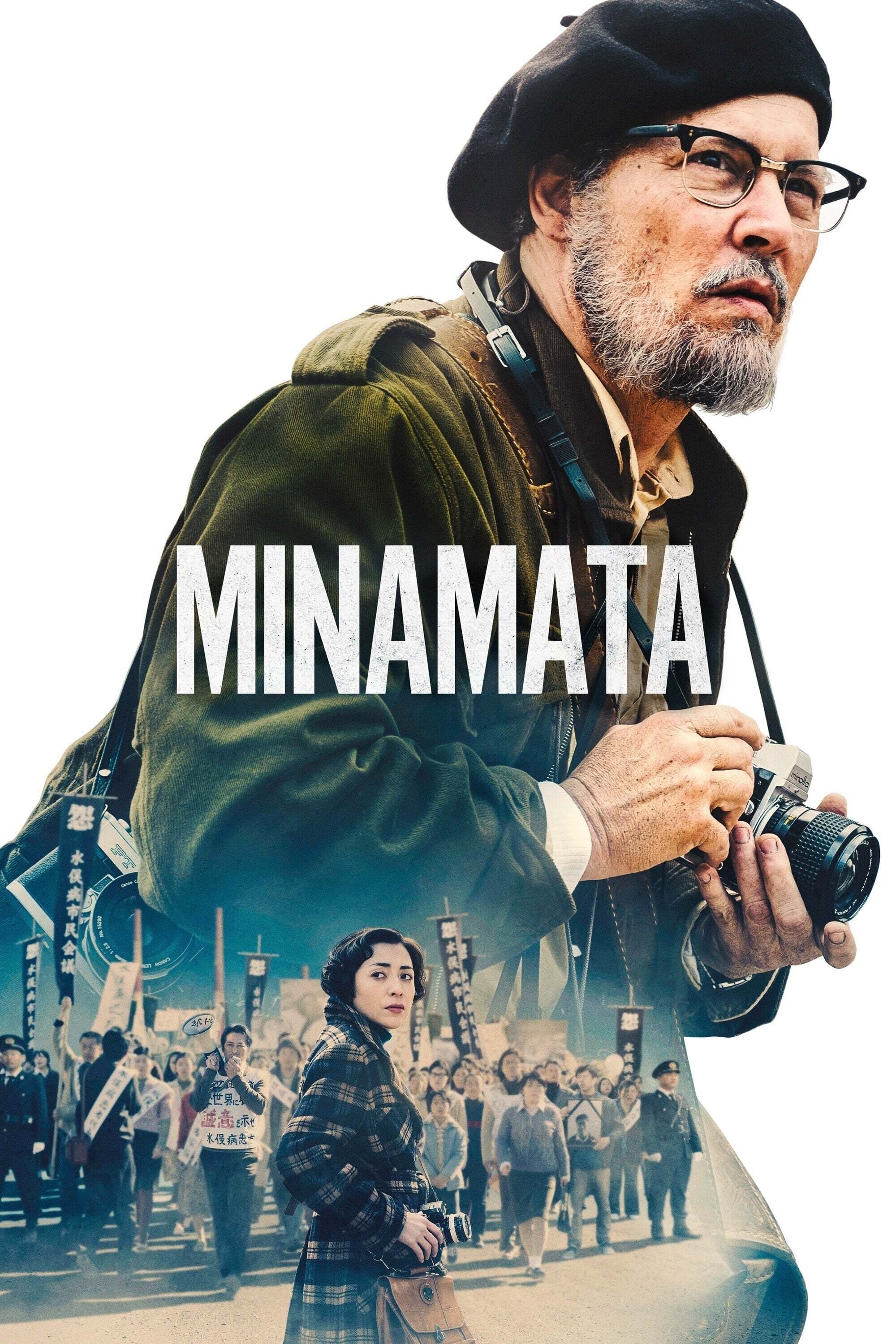
Minamata
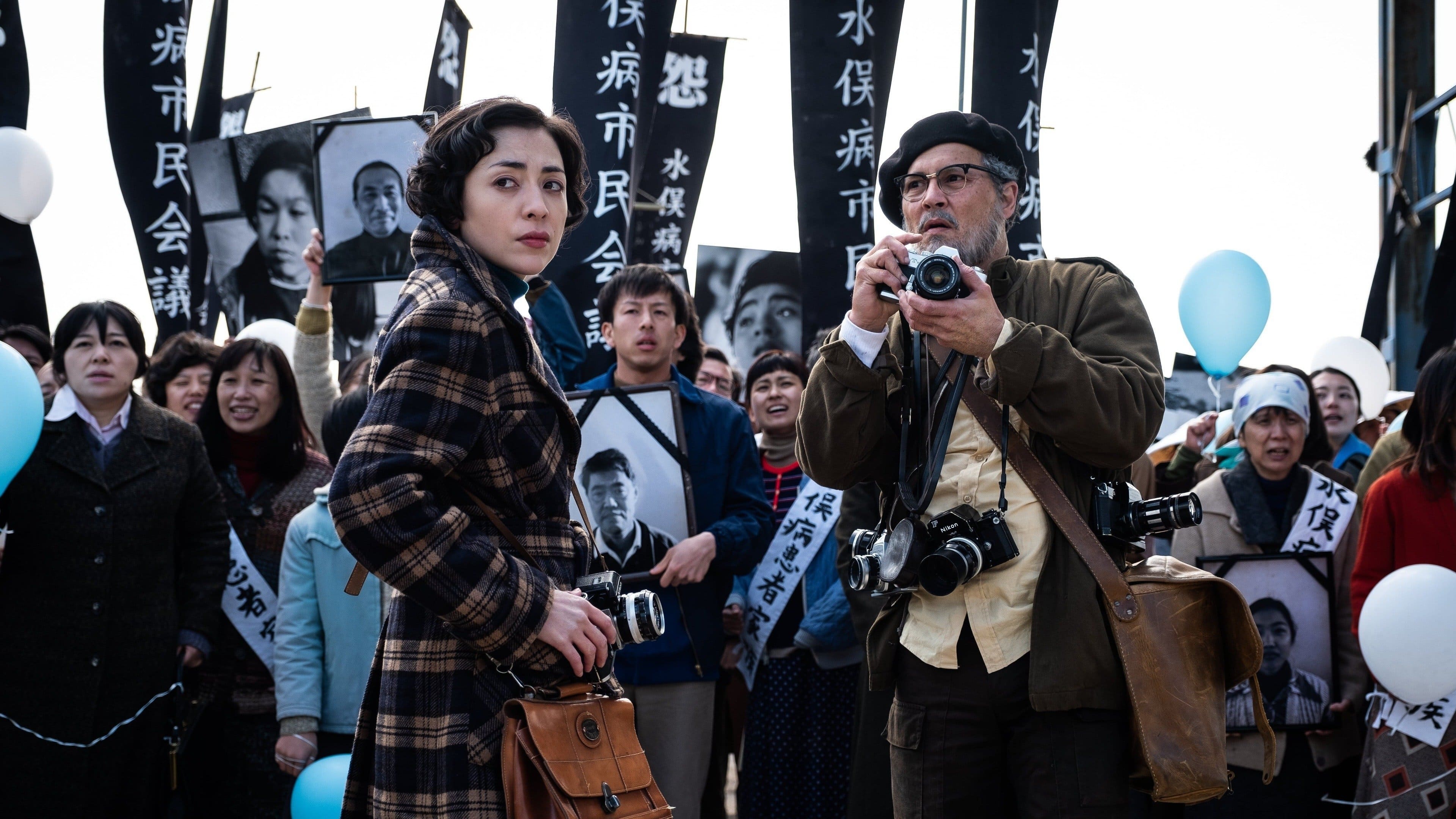
War photographer W. Eugene Smith travels back to Japan where he documents the devastating effect of mercury poisoning in coastal communities.
Insights
Plot Summary
In 1971, American war photographer W. Eugene Smith travels to Japan where he documents the devastating impact of mercury poisoning on a coastal community. As Smith immerses himself in the lives of the affected villagers, he becomes a fierce advocate for their cause, confronting the powerful corporation responsible for the pollution. The film chronicles his intense dedication to exposing the truth and the personal toll it takes on him.
Critical Reception
Minamata received mixed reviews from critics, with praise for Johnny Depp's performance and the film's important subject matter, but criticism directed at its pacing and narrative execution. Audiences generally found the film to be a powerful and moving portrayal of a significant historical event and a compelling human-interest story.
What Reviewers Say
A visually striking and emotionally resonant film that highlights a crucial environmental and human rights issue.
Johnny Depp delivers a compelling performance as the driven and flawed photographer.
Some critics noted the film's narrative could be more focused, but the overall message is powerful.
Google audience: Audiences appreciated the film's important message about environmental pollution and its impact on communities. Many found the story to be moving and impactful, with praise for the acting, particularly Johnny Depp's portrayal of W. Eugene Smith.
Fun Fact
The film was shot entirely on location in Japan, including in Minamata itself, with many of the townspeople who were affected by the poisoning appearing as extras.
AI-generated overview · Verify ratings on official sources