Movie spotlight
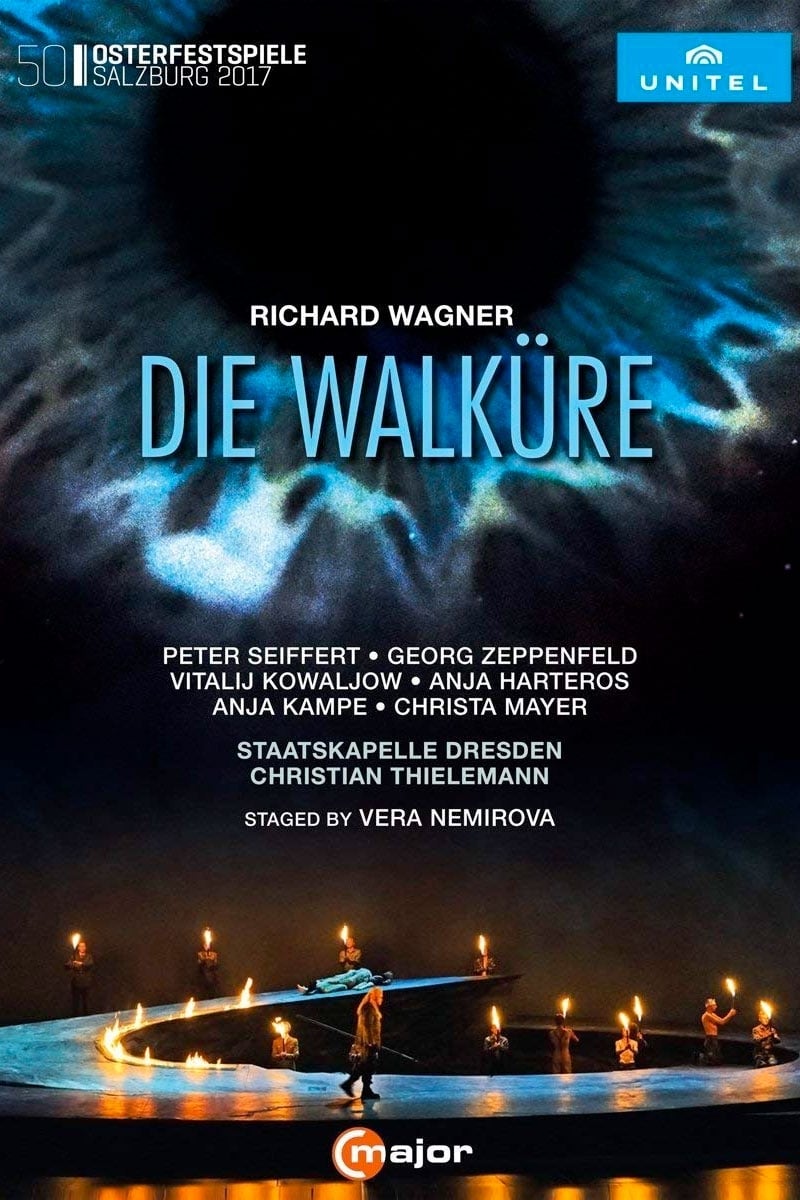
Wagner: Die Walküre
Die Walküre (The Valkyrie), WWV 86B, is the second of the four music dramas that constitute Richard Wagner's Der Ring des Nibelungen, (English: The Ring of the Nibelung). It was performed, as a single opera, at the National Theatre Munich on 26 June 1870, and received its first performance as part of the Ring cycle at the Bayreuth Festspielhaus on 14 August 1876.
Insights
Plot Summary
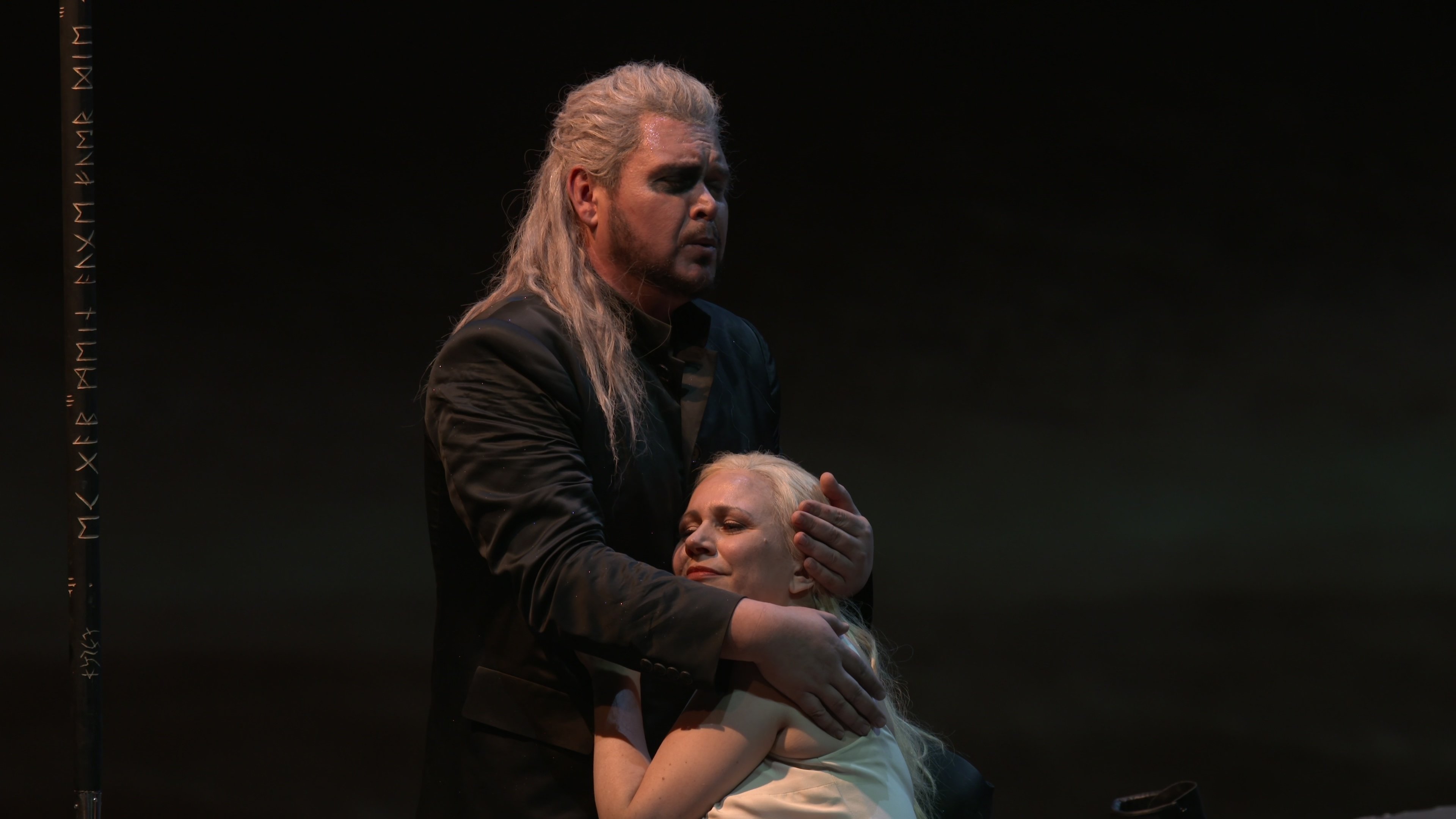
This production of Wagner's "Die Walküre" is the second opera in the Ring Cycle. It tells the story of the twins Siegmund and Sieglinde, their incestuous union, and the birth of their son, Siegfried. The opera also features the dramatic conflict between the god Wotan and his wife Fricka over the fate of their daughter, the Valkyrie Brünnhilde, and her defiance of Wotan's will.
Critical Reception
Frank Castorf's controversial production of "Die Walküre" for the Bayreuth Festival polarized critics and audiences. While some praised its audacious, modern reinterpretations and the powerful musical performance, others found its conceptual staging disruptive and incoherent. The musical aspects, particularly the conducting and the principal singers, generally received strong acclaim.
What Reviewers Say
Praised for its intense musical performance and ambitious conceptual staging.
Criticized by some for its provocative and unconventional directorial choices.
The singing and conducting were widely commended, even by detractors of the staging.
Google audience: Information not available.
Fun Fact
Director Frank Castorf's radical staging famously featured a replica of the Trabant car, a symbol of East Germany, as a central prop, drawing both admiration and criticism for its anachronistic and symbolic implications.
AI-generated overview · Verify ratings on official sources