
Movie spotlight
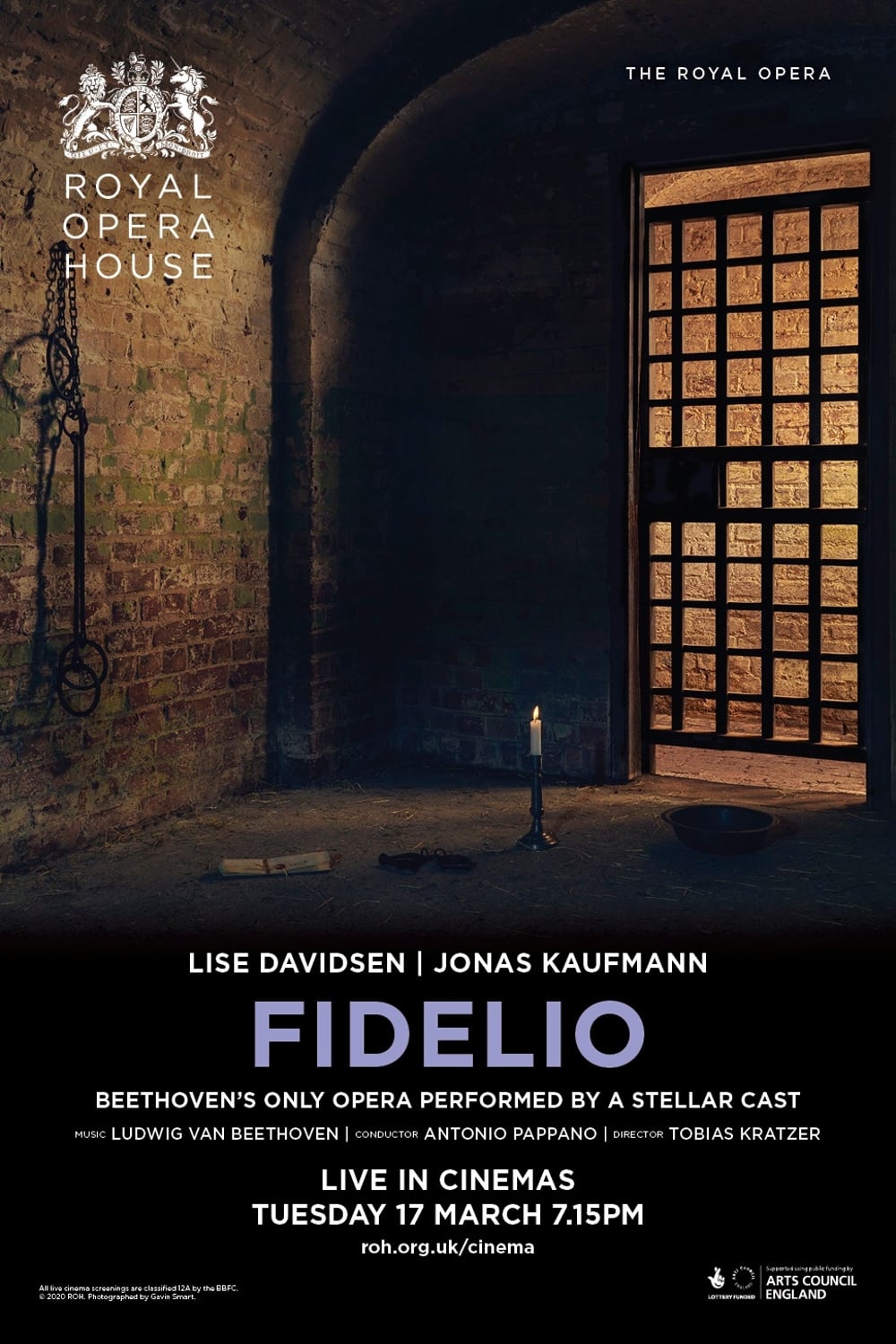
Royal Opera House: Fidelio
Beethoven’s only opera is a masterpiece, an uplifting story of risk and triumph. In this new production, conducted by Antonio Pappano, Jonas Kaufmann plays the political prisoner Florestan, and Lise Davidsen his wife Leonore (disguised as ‘Fidelio’) who daringly sets out to rescue him. Set in strong counterpoint are the ingredients of domestic intrigue, determined love and the cruelty of an oppressive regime. The music is transcendent throughout and includes the famous Act I Quartet, the Prisoners’ Chorus and Florestan’s impassioned Act II cry in the darkness and vision of hope. Tobias Kratzer’s new staging brings together the dark reality of the French Revolutionary ‘Terror’ and our own time to illuminate Fidelio’s inspiring message of shared humanity.
Insights
Plot Summary
Set in a stark, dystopian future, this production of Beethoven's only opera, Fidelio, follows Leonore's perilous mission to rescue her husband, Florestan, from unjust imprisonment. Disguised as a young man named Fidelio, she infiltrates the prison, facing the tyrannical governor Don Pizarro and the kindly jailer Rocco. Her bravery and determination culminate in a powerful plea for justice and freedom, ultimately leading to Florestan's release and the downfall of oppression.
Critical Reception
This production of Fidelio received widespread critical acclaim for its innovative staging, powerful performances, and profound interpretation of Beethoven's masterpiece. Reviewers lauded Tobias Kratzer's bold vision, which translated the opera's themes of freedom and resistance to a modern, unsettling context. The vocal performances, particularly Jonas Kaufmann as Florestan, were frequently highlighted as exceptional.
What Reviewers Say
Praised for its striking and thought-provoking dystopian setting.
Jonas Kaufmann's performance as Florestan was frequently cited as a standout.
Hailed as a powerful and relevant interpretation of Beethoven's message of freedom.
Google audience: Audience feedback for this production is not widely available through aggregated Google reviews.
Fun Fact
Director Tobias Kratzer originally envisioned the opera set in a contemporary refugee camp, but ultimately settled on a dystopian future setting to amplify the themes of political oppression and hope.
AI-generated overview · Verify ratings on official sources