
The Four Times
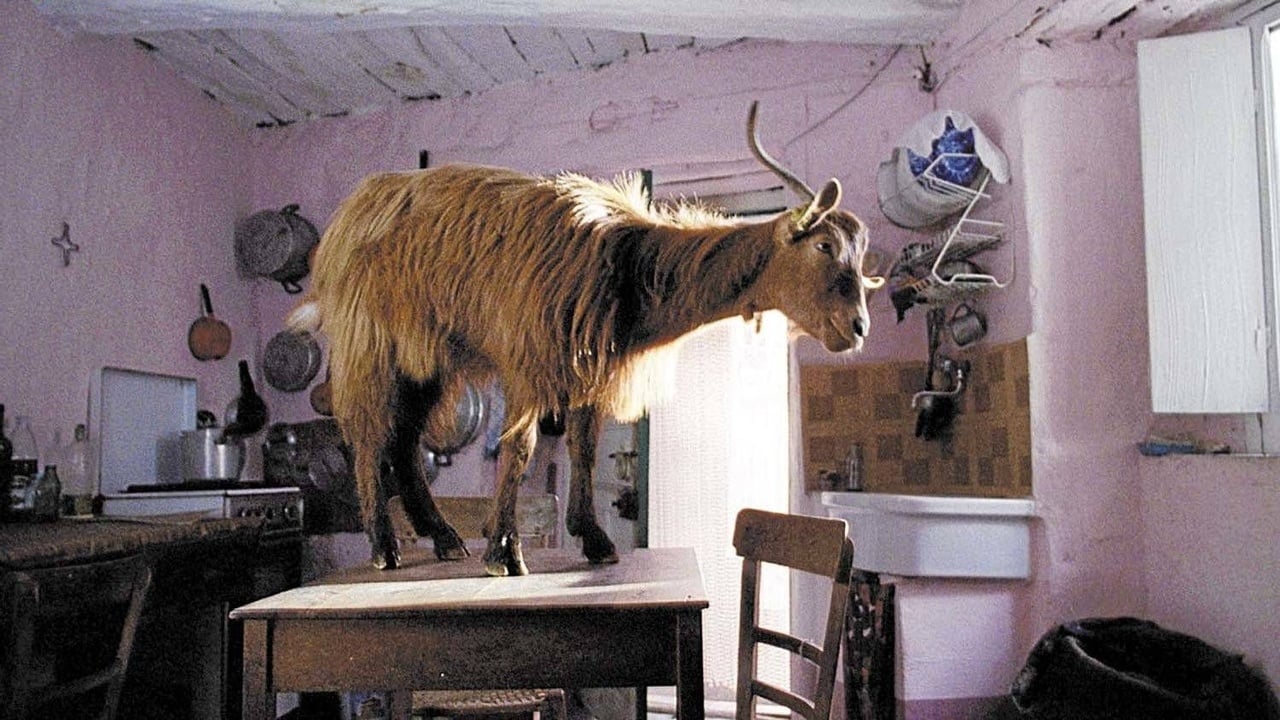
An old shepherd lives his last days in a quiet medieval village perched high on the hills of Calabria, at the southernmost tip of Italy. He herds goats under skies that most villagers have deserted long ago. He is sick, and believes to find his medicine in the dust he collects on the church floor, which he drinks in his water every day.
Insights
Plot Summary
Set in the Italian countryside, 'The Four Times' is a contemplative film that eschews dialogue for a unique cinematic experience. It follows the cyclical nature of life and death through the lens of a remote community preparing for a funeral, interweaving elements of nature and human ritual. The narrative unfolds slowly, focusing on observation and atmosphere over conventional storytelling. It invites viewers to immerse themselves in the rhythms of the natural world and the quiet significance of human traditions.
Critical Reception
The film garnered significant critical acclaim, particularly for its distinctive style and meditative approach. Reviewers often praised its unique cinematic language, comparing it to the work of filmmakers like Tarkovsky for its visual poetry and patient observation. While its unconventional narrative might not appeal to all, those who connected with its deliberate pace and focus on natural beauty found it to be a profound and memorable experience.
What Reviewers Say
- Praised for its stunning visual poetry and meditative, dialogue-free approach.
- Appreciated for its patient observation of nature and human ritual.
- Seen as a unique and profound cinematic experience for those receptive to its slow pace.
Google audience: Google users generally appreciated the film's artistic merit and unique visual style, finding it to be a calm and thought-provoking experience. Some viewers noted its slow pace as a potential drawback, but many celebrated its ability to transport them to another world through its evocative imagery.
Awards & Accolades
Premiered at the Cannes Film Festival (Directors' Fortnight), nominated for the Golden Camera. Received awards at various international film festivals, including the Rome Film Fest.
Fun Fact
The film features no spoken dialogue, relying entirely on natural sounds, music, and visual storytelling to convey its narrative and themes.
AI-generated overview · Verify ratings on official sources