Movie spotlight
Vertigo
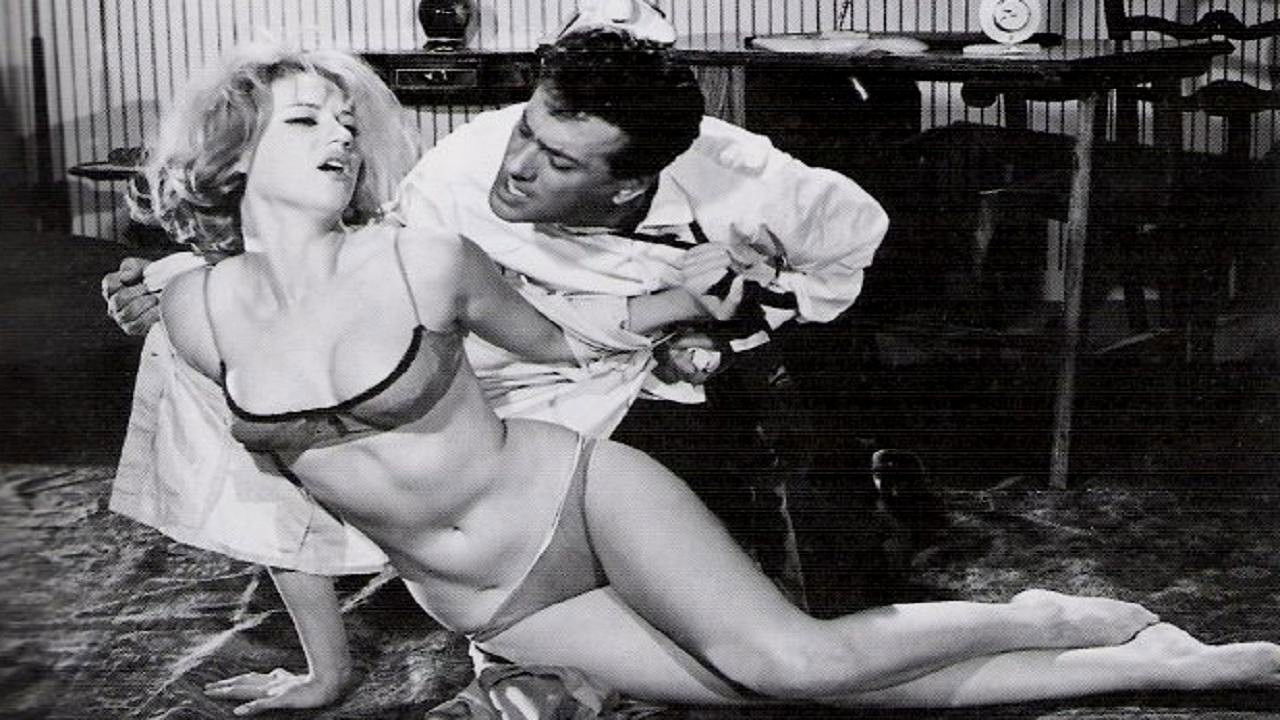
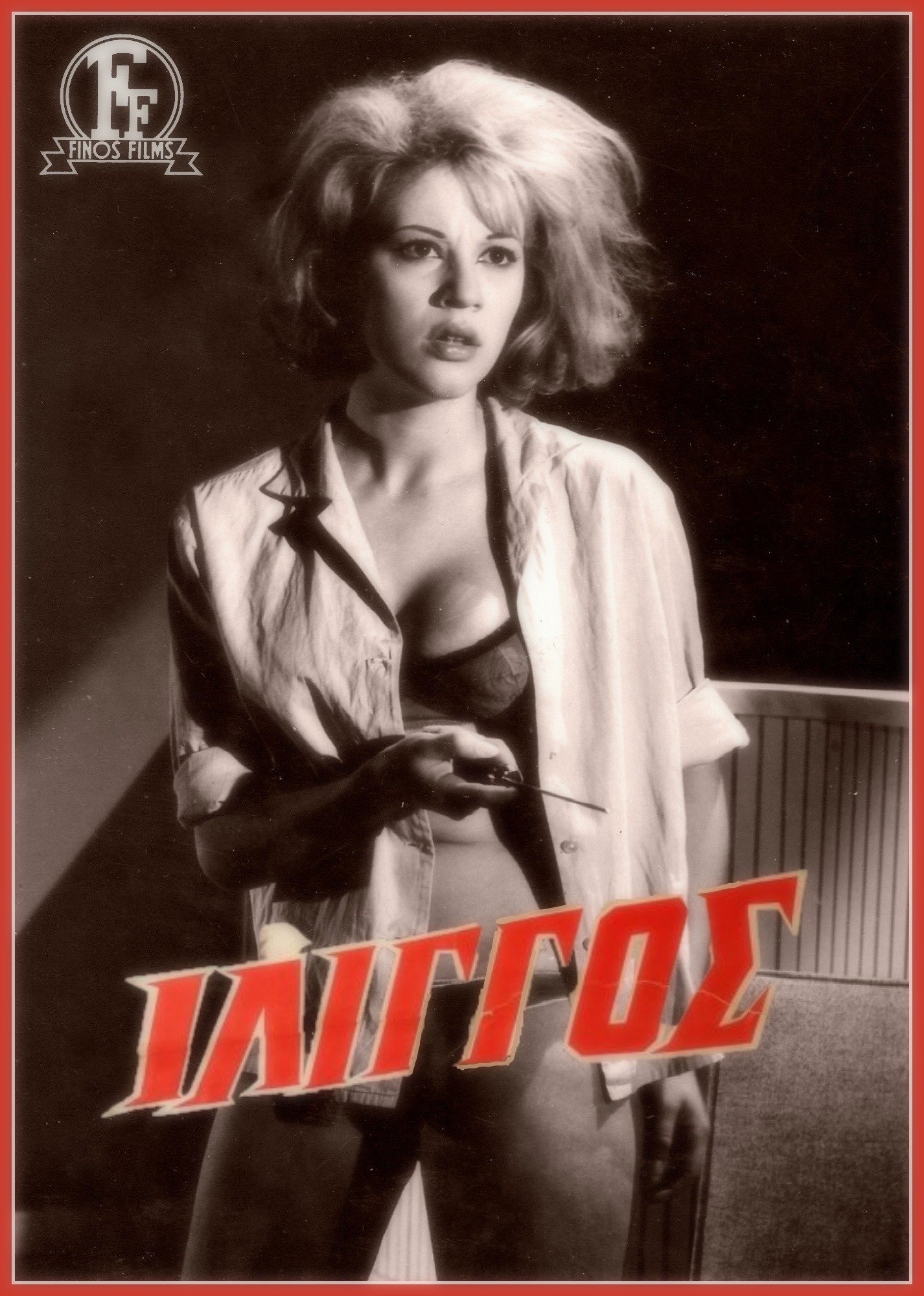
A 19-year-old temptress caught in the intoxicating vertigo of passion ends up in prison. Her secret diary tells her side of the story, but unanswered questions arise.
Insights
Plot Summary
A former police detective, Scottie Ferguson, suffering from acrophobia and vertigo, is drawn into a complex web of deception by an old acquaintance. He is hired to follow his friend's wife, Madeleine, who exhibits an obsessive fascination with Carlotta Valdes, a historical figure. As Scottie becomes increasingly entangled in Madeleine's life, he develops feelings for her, leading to a tragic and mystifying turn of events.
Critical Reception
Initially met with mixed reviews, Vertigo has since been re-evaluated and is now widely considered one of Alfred Hitchcock's greatest masterpieces and a landmark in cinematic history. Its complex psychological themes, innovative camera techniques, and unsettling narrative have earned it immense critical acclaim over time.
What Reviewers Say
A visually stunning and psychologically complex thriller that masterfully explores themes of obsession, identity, and manipulation.
Hitchcock's directorial genius is on full display, with groundbreaking camera work and a haunting atmosphere.
While initially divisive, its enduring legacy cements it as a profound and influential cinematic achievement.
Google audience: Audiences generally praise 'Vertigo' for its intricate plot, captivating performances, and Hitchcock's signature suspenseful direction. Many highlight its psychological depth and unforgettable atmosphere as key strengths, though some find its pacing deliberately slow.
Awards & Accolades
Nominated for two Academy Awards, including Best Art Direction and Best Sound. Topped Sight & Sound's greatest films of all time poll in 2012.
Fun Fact
The distinctive 'dolly zoom' effect, also known as the 'Vertigo effect,' was first notably employed in this film to visually represent Scottie's acrophobia and vertigo.
AI-generated overview · Verify ratings on official sources