
Movie spotlight
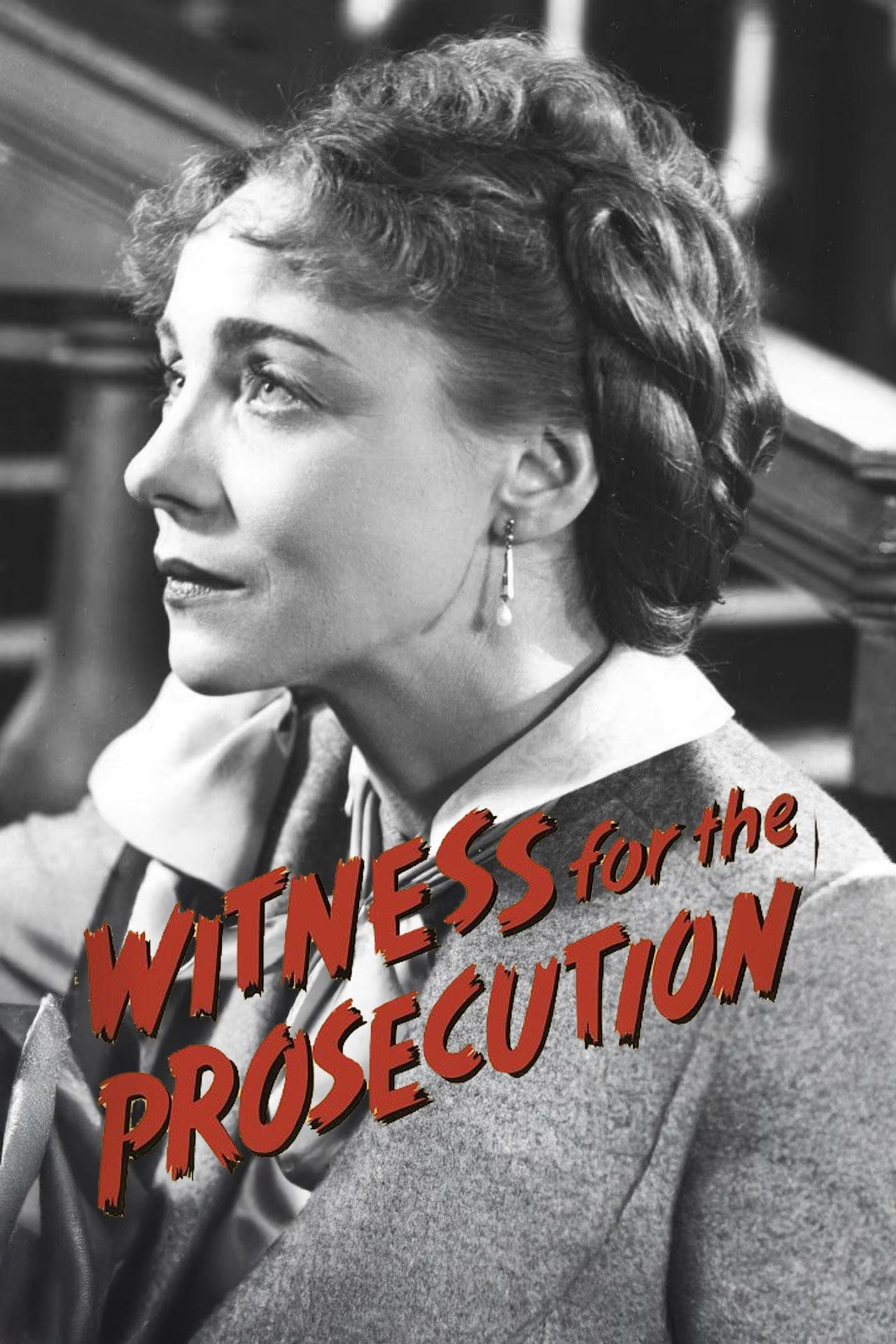
Witness for the Prosecution
Agatha Christie tale of a man on trial for murder: a trial featuring surprise after surprise. Not to be confused with the later Hollywood adaptation.
Insights
Plot Summary
Sir Wilfrid Robarts, a prominent defense lawyer, takes on the case of Leonard Vole, a young man accused of murdering a wealthy older woman. The prosecution's star witness is Vole's wife, the glamorous Christine Helm, who appears to be his alibi. However, the case takes a dramatic turn when Christine's testimony proves to be far more complex and damaging than anyone anticipates. The film masterfully navigates legal intricacies and personal betrayals, leading to a stunning and unexpected conclusion.
Critical Reception
Witness for the Prosecution is widely regarded as a masterpiece of the courtroom drama genre and a prime example of film noir. It received widespread critical acclaim for its intricate plot, sharp dialogue, masterful direction, and outstanding performances, particularly from Charles Laughton and Marlene Dietrich. Audiences were captivated by its suspenseful narrative and shocking twists.
What Reviewers Say
A brilliantly constructed and suspenseful legal thriller.
Marlene Dietrich delivers an unforgettable performance.
The film's twists and turns are expertly executed, leading to a legendary finale.
Google audience: Audiences praise the film's intelligent script, gripping courtroom scenes, and the exceptional acting. Many highlight the shocking and satisfying ending as a standout element.
Awards & Accolades
Nominated for 6 Academy Awards, including Best Picture, Best Director, and Best Actor (Charles Laughton). Marlene Dietrich received a Golden Globe nomination for Best Actress.
Fun Fact
The film is based on Agatha Christie's 1953 play of the same name, which itself was inspired by a short story she wrote in 1925. Billy Wilder famously changed the ending from the play to make it even more surprising for film audiences.
AI-generated overview · Verify ratings on official sources