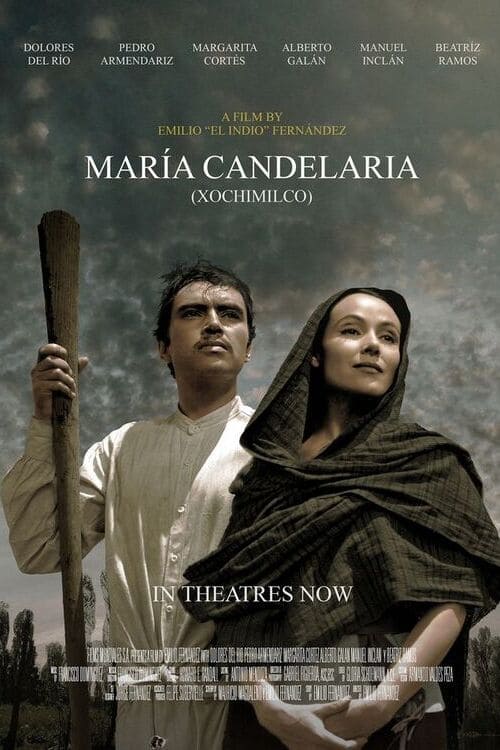
Director: Emilio Fernández•Genres: Drama, Romance
In a small Mexican village, the beautiful María Candelaria and her fiancé Lorenzo live in poverty, facing discrimination from the villagers due to María's mother's alleged promiscuity. When the village doctor refuses to treat María's malaria, Lorenzo, desperate to save her, steals medicine. The situation escalates when a local store owner, Don Dámian, attempts to rape María, leading to a tragic confrontation and a desperate flight from justice.
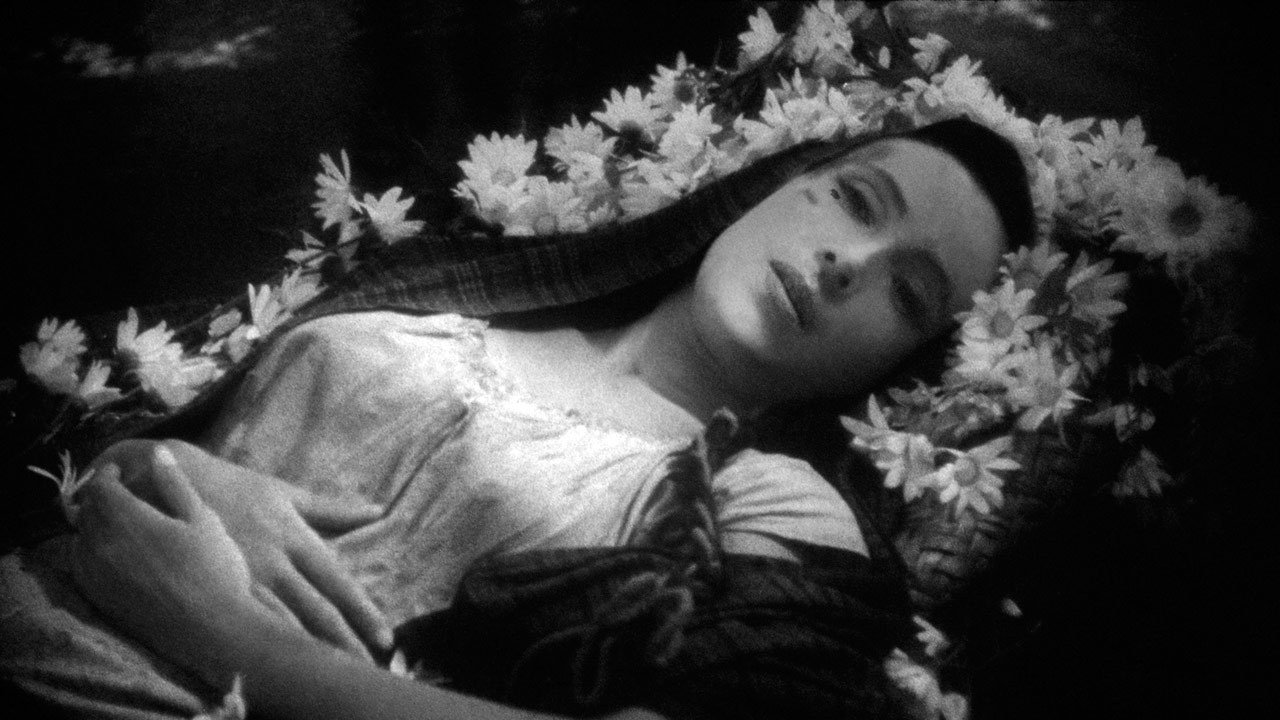
María Candelaria was a landmark film in Mexican cinema, achieving significant international recognition, particularly at the Cannes Film Festival. It is celebrated for its powerful performances, stunning cinematography that captured the beauty of rural Mexico, and its poignant social commentary on indigenous rights and poverty. Despite its critical acclaim, some later analyses have pointed out a somewhat romanticized portrayal of indigenous life.
Praised for its visually striking cinematography and evocative portrayal of rural Mexican life.
Lauded for the compelling performances of Dolores del Río and Pedro Armendáriz.
Recognized for its historical significance and its Cannes Film Festival Grand Prix award.
Google audience: Information on Google user reviews for this classic film is not readily available.
Won the Grand Prix du Festival International du Film (now the Palme d'Or) at the 1946 Cannes Film Festival, making it the first Latin American film to win the festival's top prize.
The film was controversially banned in parts of Mexico upon its release due to accusations that it presented a negative and backward image of the country, particularly to foreign audiences.
AI-generated overview · Verify ratings on official sources