Movie spotlight
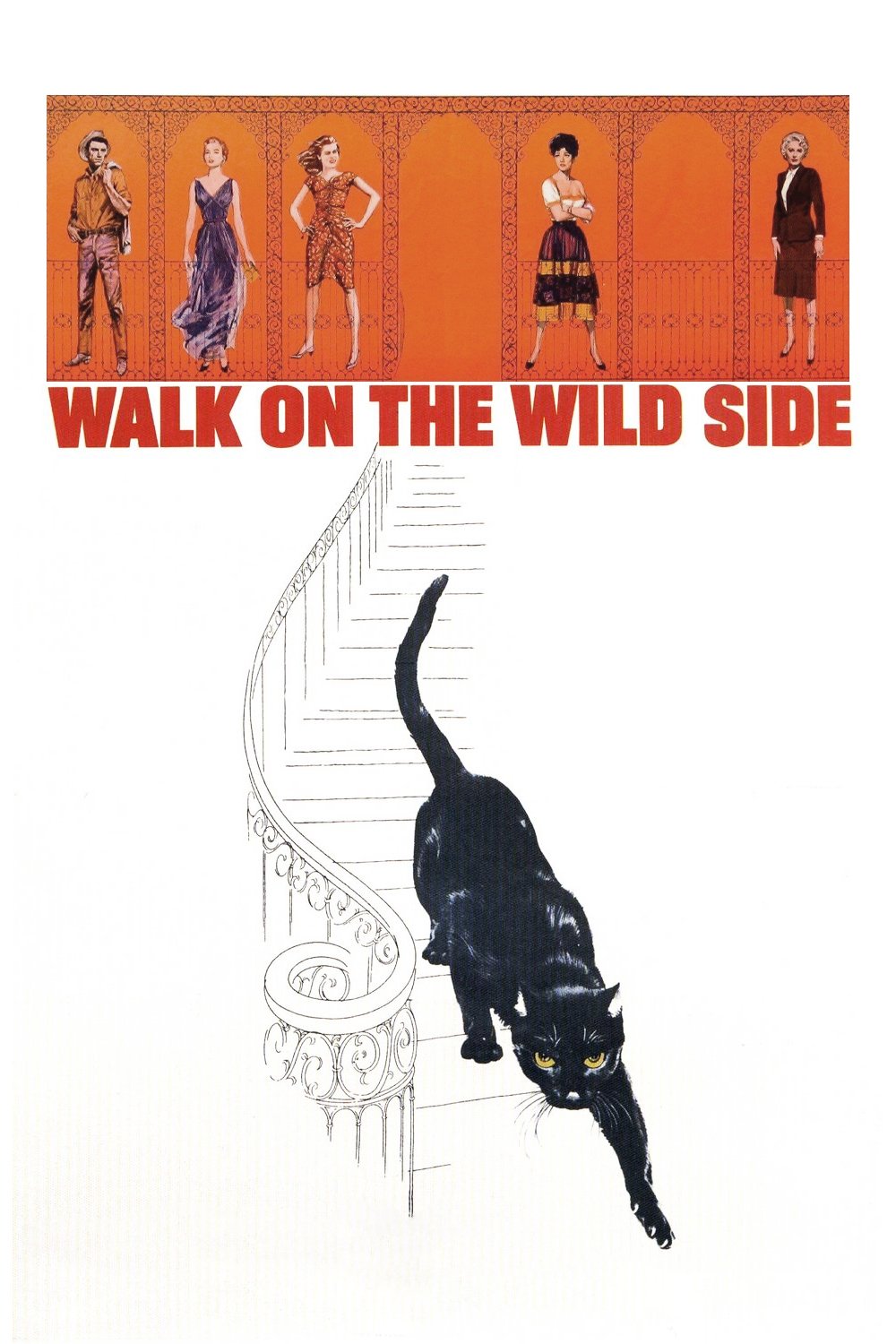
Walk on the Wild Side
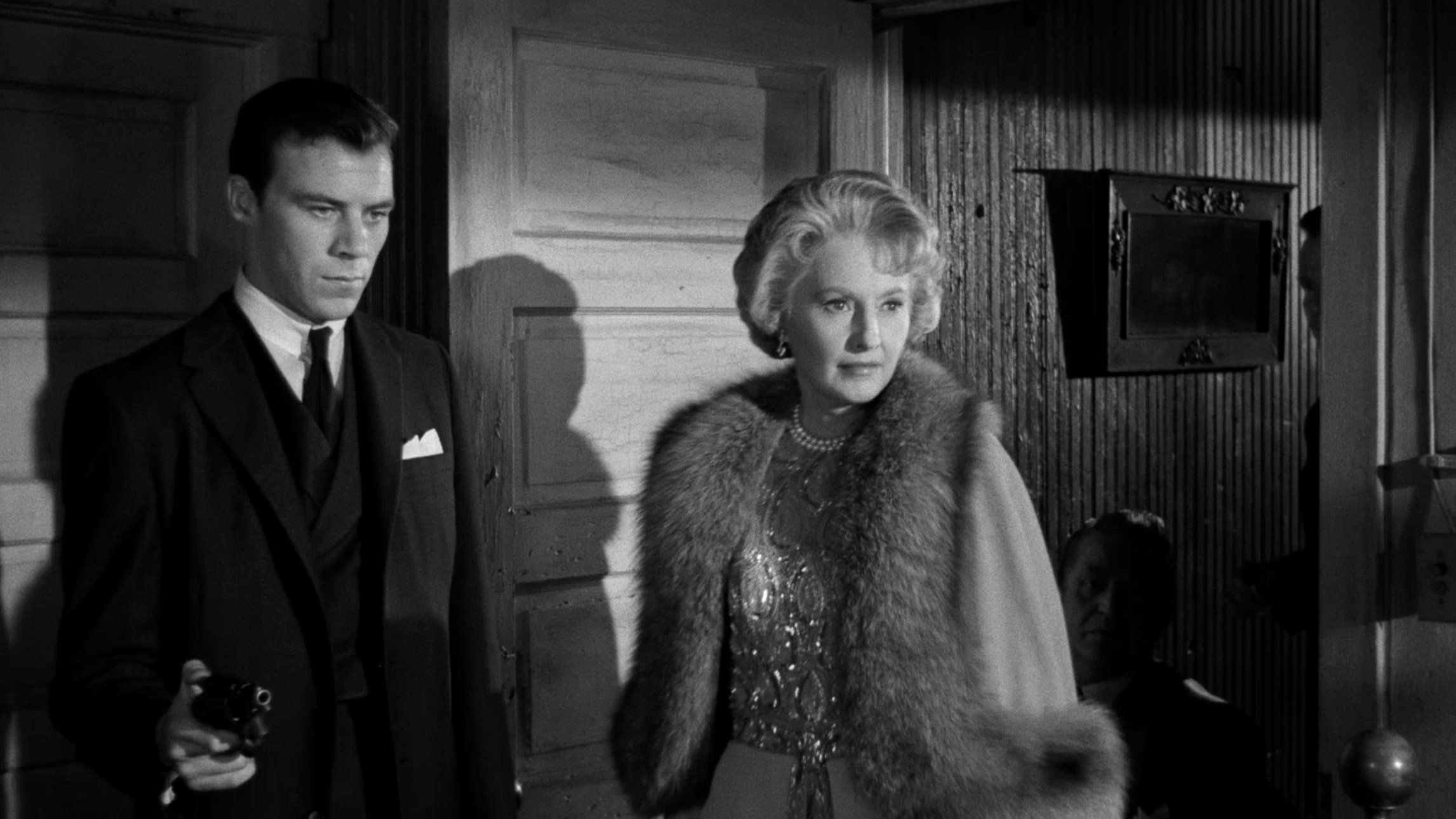
At a 1930s New Orleans bordello, Hallie is the main attraction for both clients and the shrewd madam. The arrival of Dove Linkhorn, her lovesick sweetheart from three years ago, disrupts the normal and triggers a chain of events involving a number of people, including the young woman he travelled with, who is now the Doll House's newest employee.
Insights
Plot Summary
In 1930s New Orleans, Hallie Palmer, a Gulf Coast bimbo, is abandoned by her lover, Cliff. After he leaves her, she searches for him in the seedy underbelly of the city. She eventually finds him working for a corrupt businessman, but her quest for revenge is complicated by her own desires and the machinations of the people around her.
Critical Reception
Walk on the Wild Side received mixed to positive reviews from critics upon its release. While some praised its stylish direction and performances, particularly from Barbara Stanwyck and Anne Baxter, others found its plot somewhat convoluted and its exploitation elements gratuitous. Audiences were drawn to its dramatic intensity and its exploration of darker themes.
What Reviewers Say
Praised for its bold exploration of taboo themes and its stylized, noir-like atmosphere.
Laurence Harvey's performance as the conflicted protagonist was noted, though sometimes overshadowed by the supporting cast.
Anne Baxter and Barbara Stanwyck received particular acclaim for their powerful and complex portrayals of women navigating a harsh world.
Google audience: Audience reviews generally highlight the film's dramatic intensity, memorable performances from the female cast, and its provocative subject matter for the era. Some viewers found the plot occasionally melodramatic but appreciated its unique, gritty portrayal of life in New Orleans.
Fun Fact
The film is notable for its highly suggestive (for the time) themes and its bold use of sexuality, which pushed the boundaries of the Hays Code.
AI-generated overview · Verify ratings on official sources