
Movie spotlight
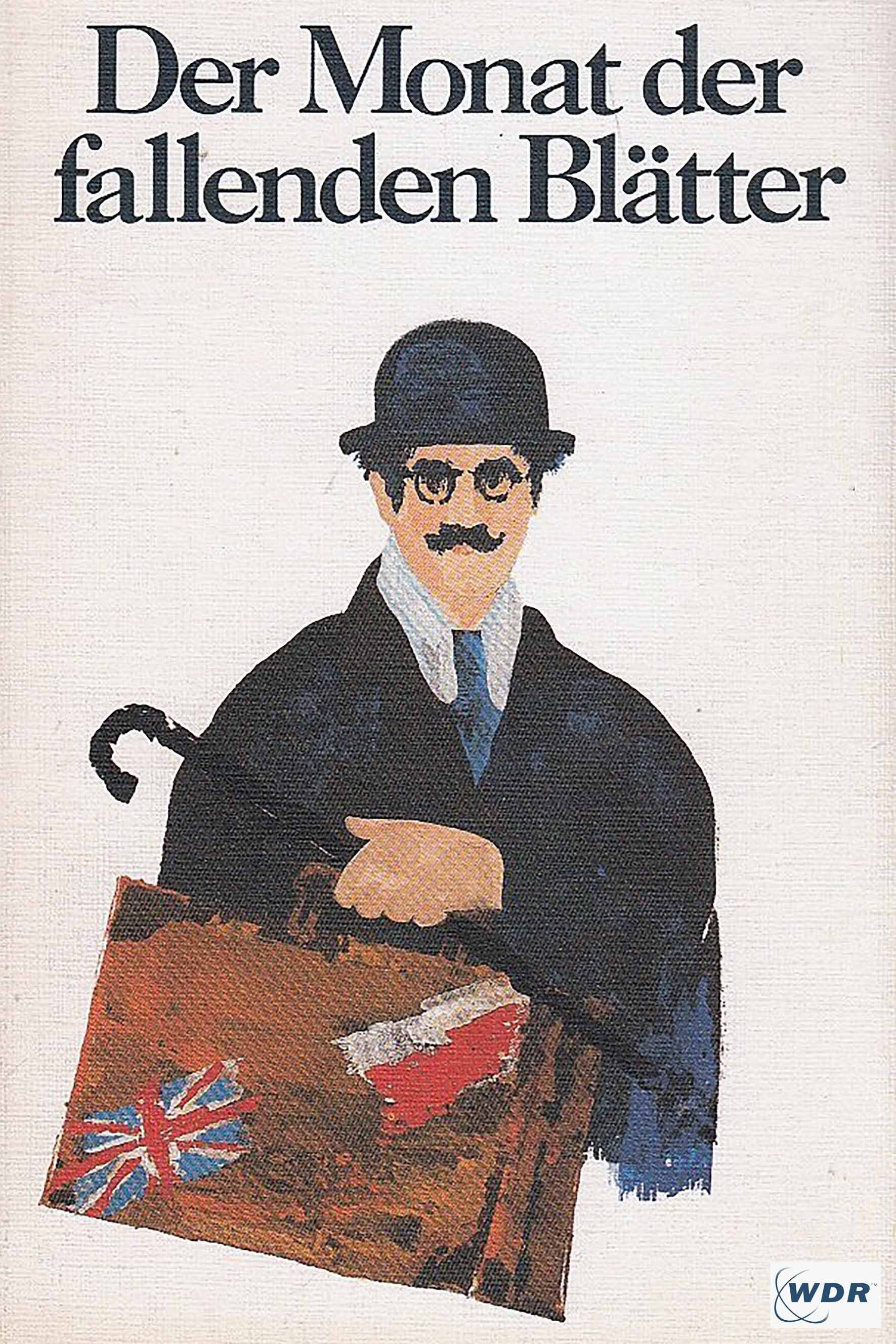
Der Monat der fallenden Blätter
When British philosopher Harold Hilliard took off for Warsaw to lecture on the Dysteleological Surd, he had no idea that he would soon become embroiled in international espionage. During the trip he tried to open a suitcase he mistook for his own. When a fellow passenger, a Pole with stainless steel teeth, took umbrage, Hilliard put it down to bad manners, but when the same man saw him pick up the wrong coat in the plane, Hilliard realized that he was suspected of spying. The party at the airport to welcome Hilliard only convinced the Polish agent that the British Secret Service was now picking its men with extraordinary cleverness. Hilliard, whose works were little known in England, was warmed by unaccustomed praise but chilled by the apparent certainty of the counter espionage people that he was a British agent whose code name was Whale.
Insights
Plot Summary
During World War II, a young German soldier, Klaus, finds himself increasingly disillusioned with the war. Stationed in the occupied East, he witnesses the brutality and futility of the conflict firsthand. His experiences lead him to question his loyalty and the propaganda he has been fed. He forms a connection with a local woman, Anya, which further complicates his sense of duty and morality.
Critical Reception
This East German film offers a starkly anti-war perspective, focusing on the psychological toll of conflict on individual soldiers. It was noted for its somber tone and exploration of moral ambiguity amidst the chaos of war, though some found its pacing deliberate.
What Reviewers Say
A contemplative and bleak portrayal of a soldier's wartime disillusionment.
Effectively captures the moral compromises and psychological strain of conflict.
The film's anti-war message is delivered with a somber and deliberate pace.
Google audience: Audience reception data for this film is not readily available in English-language sources. However, contemporary reviews from its region of origin generally praised its serious engagement with the human cost of war.
Fun Fact
The film was produced by DEFA, the state-owned film studio of East Germany, and reflects the prevailing ideological stance on war and militarism of that era.
AI-generated overview · Verify ratings on official sources