
Movie spotlight
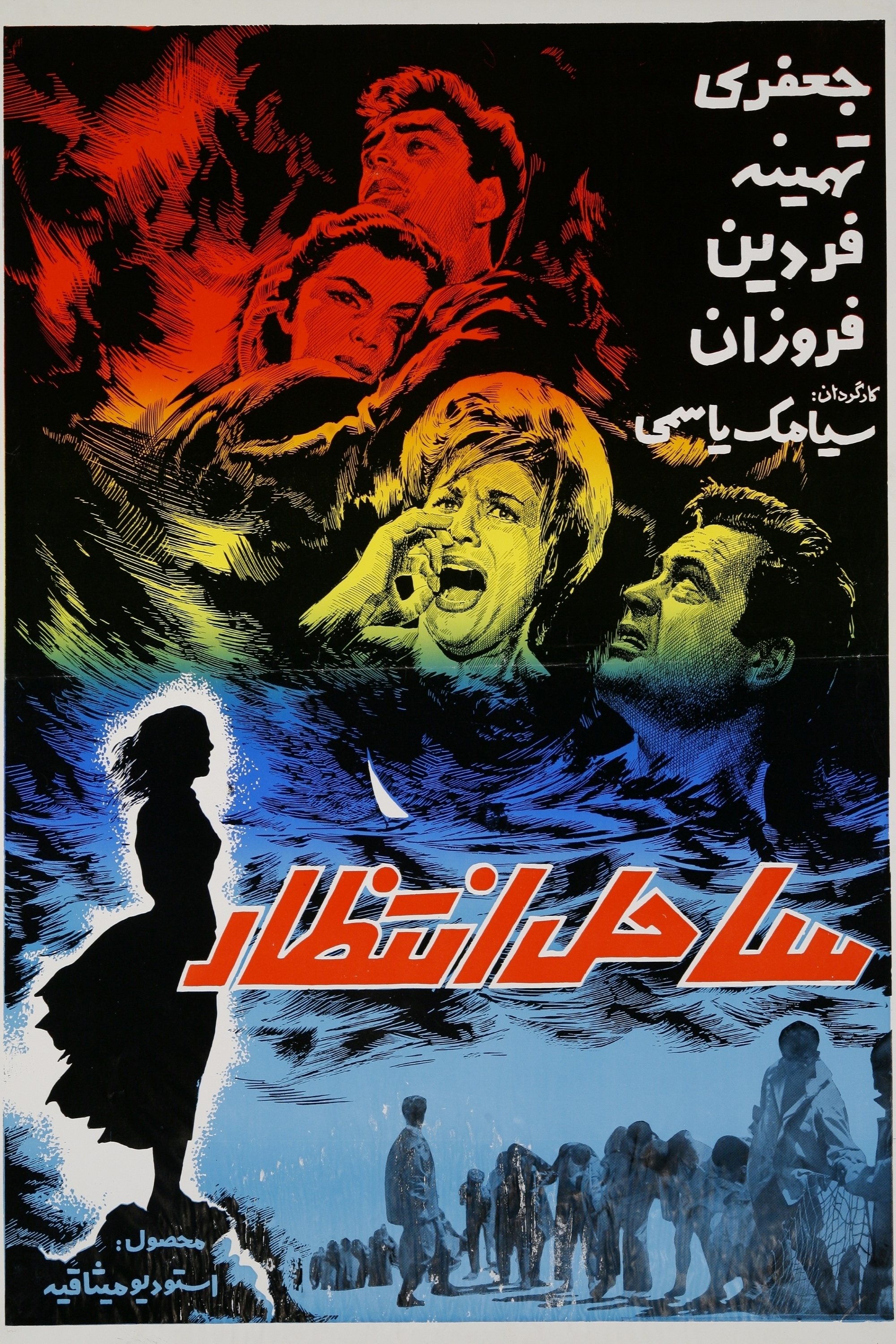
Sahel-e Entezar
Ghasem Khan thought he owned part of the sea and got into a clash with some fishermen over fishing rights. Everyone joined the fight and after Ghasem Khan's people dispersed the fishermen they confiscated the fish they had caught. After his son Masoud attacked him and said his claim to ownership of part of the sea was unconscionable Ghasem Khan drove him out of the house; he took refuge with the people. Ahmad loves Kazem's daughter Maryam. Ahmad went to sea fishing with a group of fishermen but the sea was tempestuous and he turned up missing.
Insights
Plot Summary
A young man, driven by a desire for wealth, becomes entangled in a dangerous world of crime and moral compromise. He navigates complex relationships and faces difficult choices as his ambition leads him down a path fraught with peril. The film explores themes of greed, love, and the consequences of one's actions in a society grappling with social change.
Critical Reception
Released in 1963, 'Sahel-e Entezar' is considered a significant film in early Iranian cinema, often cited for its dramatic narrative and exploration of societal issues. While detailed contemporary critical reviews are scarce, the film is noted for its performances and its attempt to address complex human dramas within the Iranian context of the era.
What Reviewers Say
Praised for its compelling dramatic storyline and exploration of character motivations.
Recognized as an important early example of Iranian filmmaking.
Noted for its competent direction and thematic depth within its historical context.
Google audience: Information on Google user reviews for 'Sahel-e Entezar' is not readily available.
Fun Fact
Mohammad Reza Safavi, the director, also starred in the film, which was a common practice for filmmakers in early Iranian cinema to control artistic vision and manage production resources.
AI-generated overview · Verify ratings on official sources