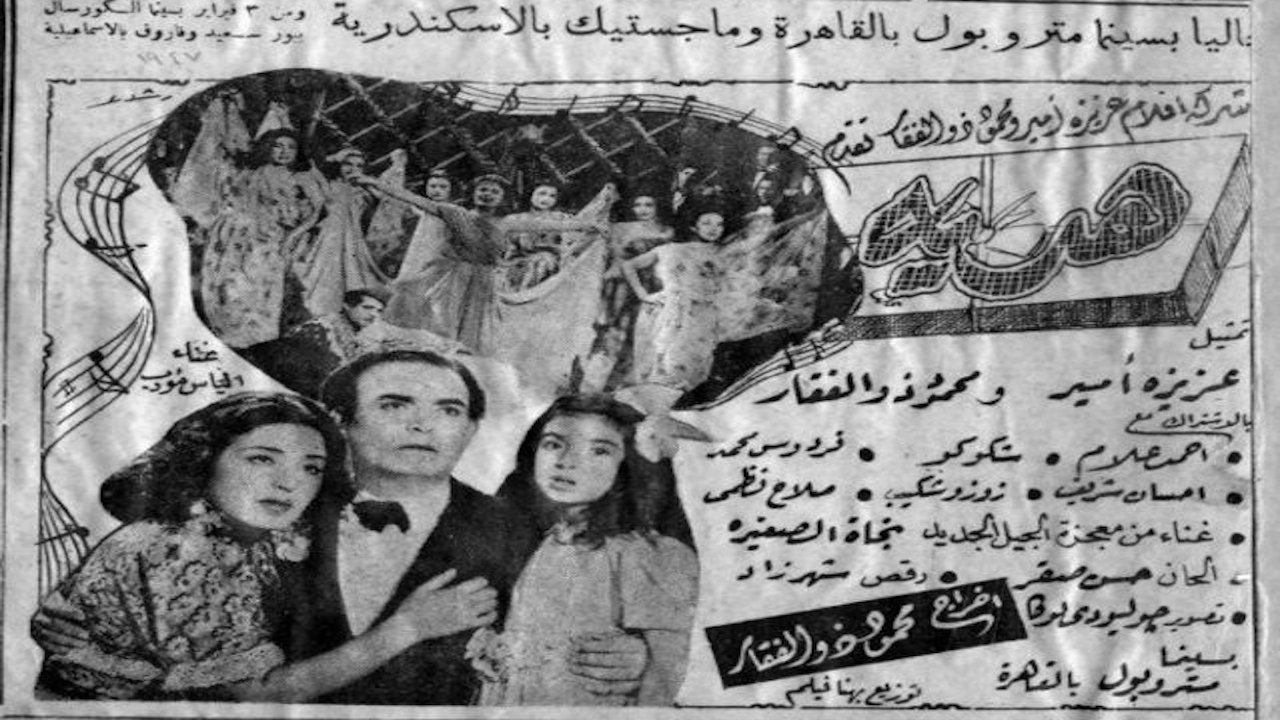

Movie spotlight
Hadaya
A wealthy young man rejects the way his mother and sister live, and decides to rebel against this life by marrying a simple Upper Egyptian girl who respects traditions and social customs, which angers his mother and sister and they mistreat the wife, who discovers the relationship between her husband's sister and his friend and tries to mediate to end it.
Insights
Plot Summary
The film tells the story of a wealthy man who has a son and a daughter. He loves his son dearly but is distant from his daughter, whom he believes is responsible for his wife's death during childbirth. As the daughter grows up, she faces numerous challenges and hardships due to her father's neglect and societal pressures. The narrative explores themes of family conflict, societal judgment, and the enduring hope for reconciliation and understanding.
Critical Reception
Hadaya was a significant film in Egyptian cinema, often praised for its melodramatic storytelling and strong performances, particularly from Youssef Wahbi and Aminah Rizk. It resonated with audiences for its exploration of family dynamics and social issues prevalent in the era. While specific critical reviews from its release are scarce, its enduring presence in film history suggests a positive reception.
What Reviewers Say
Praised for its emotional depth and dramatic narrative.
Recognized for strong performances from its lead actors.
Explored societal and familial issues relevant to its time.
Google audience: Information on Google user reviews for Hadaya from 1947 is not available.
Fun Fact
Youssef Wahbi, a towering figure in Egyptian theatre and cinema, not only starred in Hadaya but also wrote its screenplay, showcasing his multifaceted talent in bringing this poignant family drama to the screen.
AI-generated overview · Verify ratings on official sources