
Movie spotlight
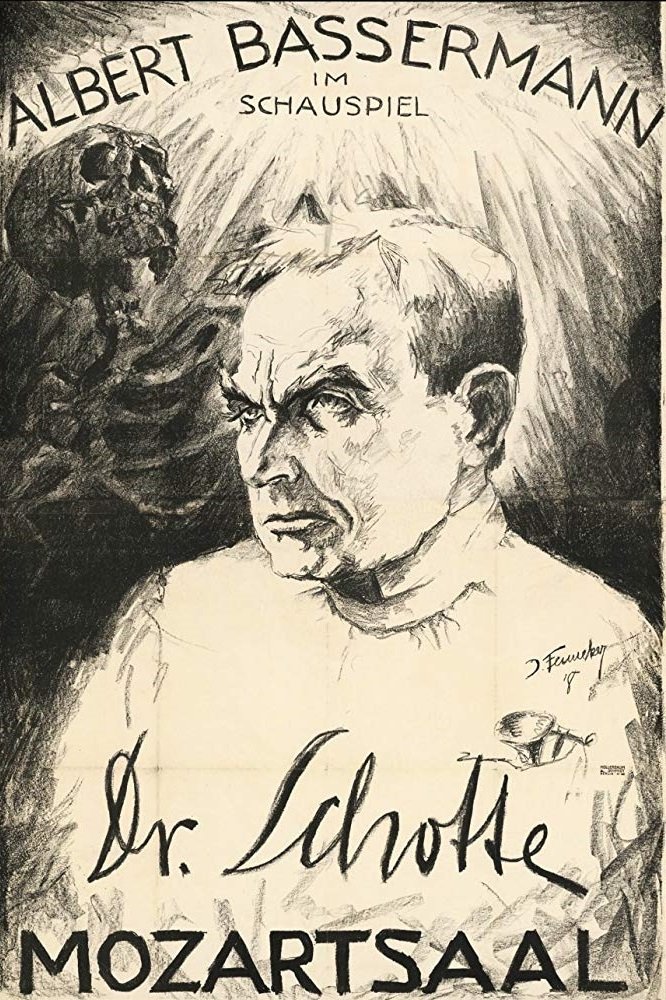
Dr. Schotte
A doctor's marriage to a single mother comes unravelled.
Insights
Plot Summary
Dr. Schotte, a brilliant but disturbed surgeon, becomes obsessed with the idea of immortality. He believes he can achieve this by transplanting the brain of a living person into the head of a dying one. His increasingly unethical experiments lead him down a dark path, culminating in a desperate attempt to fulfill his morbid ambition.
Critical Reception
As a silent film from 1918, critical reception is largely historical and difficult to quantify with modern metrics. However, it is recognized as an early example of German Expressionist cinema, noted for its atmospheric tension and psychological depth, fitting within the popular horror and mystery genres of its time.
What Reviewers Say
Praised for its early exploration of psychological horror themes.
Noted for its contribution to the development of German Expressionist cinema.
Recognized for its suspenseful atmosphere and morbid subject matter.
Google audience: Audience reception data for this historical silent film is not available through standard platforms.
Fun Fact
Dr. Schotte is considered a significant, albeit lesser-known, work within the German Expressionist movement, which heavily influenced later horror and film noir genres with its distinct visual style and thematic preoccupations.
AI-generated overview · Verify ratings on official sources