
Movie spotlight
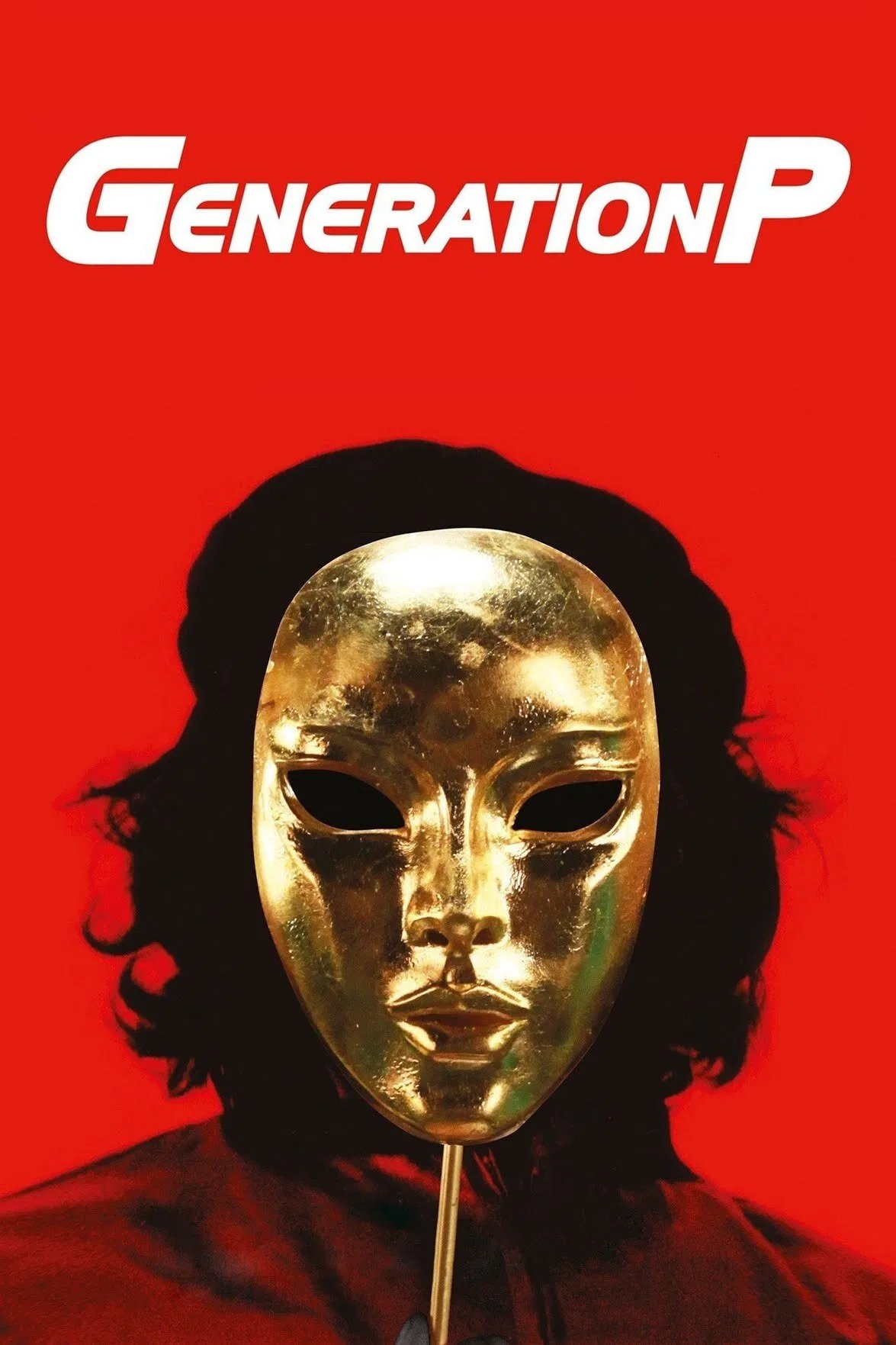
Generation P
Set in the ground zero of gangster globalism and driven by a truly manic energy, Generation P is at once a comedy, a tragedy and a fantasy about the rise of a poet-turned-adman through Russia’s nascent advertising business during the Moscow roaring 1990s.
Insights
Plot Summary
In post-Soviet Russia, a young poet named Babylen Tatarsky struggles to find his place in the new world of advertising. As he navigates the chaotic and often absurd landscape of marketing and consumerism, he grapples with his own identity and the disillusionment of his generation. The film satirizes the rampant materialism and cultural shifts that swept through Russia in the 1990s.
Critical Reception
Generation P received mixed reviews from critics, with many praising its satirical edge and exploration of post-Soviet Russia's cultural identity crisis. However, some found its narrative disjointed and its humor overly niche. Audiences were similarly divided, with some appreciating its unique perspective and others finding it too abstract.
What Reviewers Say
Praised for its sharp satire of post-Soviet consumerism and advertising.
Acknowledged for its exploration of a generation's identity crisis.
Criticized by some for a potentially confusing or meandering plot.
Google audience: Audience reception on Google is not readily available, but general sentiment suggests a film that divides viewers between those who appreciate its unique cultural commentary and those who find it challenging to follow.
Fun Fact
The film is based on the acclaimed 1999 novel of the same name by Viktor Pelevin, a seminal work of post-Soviet Russian literature known for its philosophical and satirical take on contemporary Russia.
AI-generated overview · Verify ratings on official sources