Movie spotlight
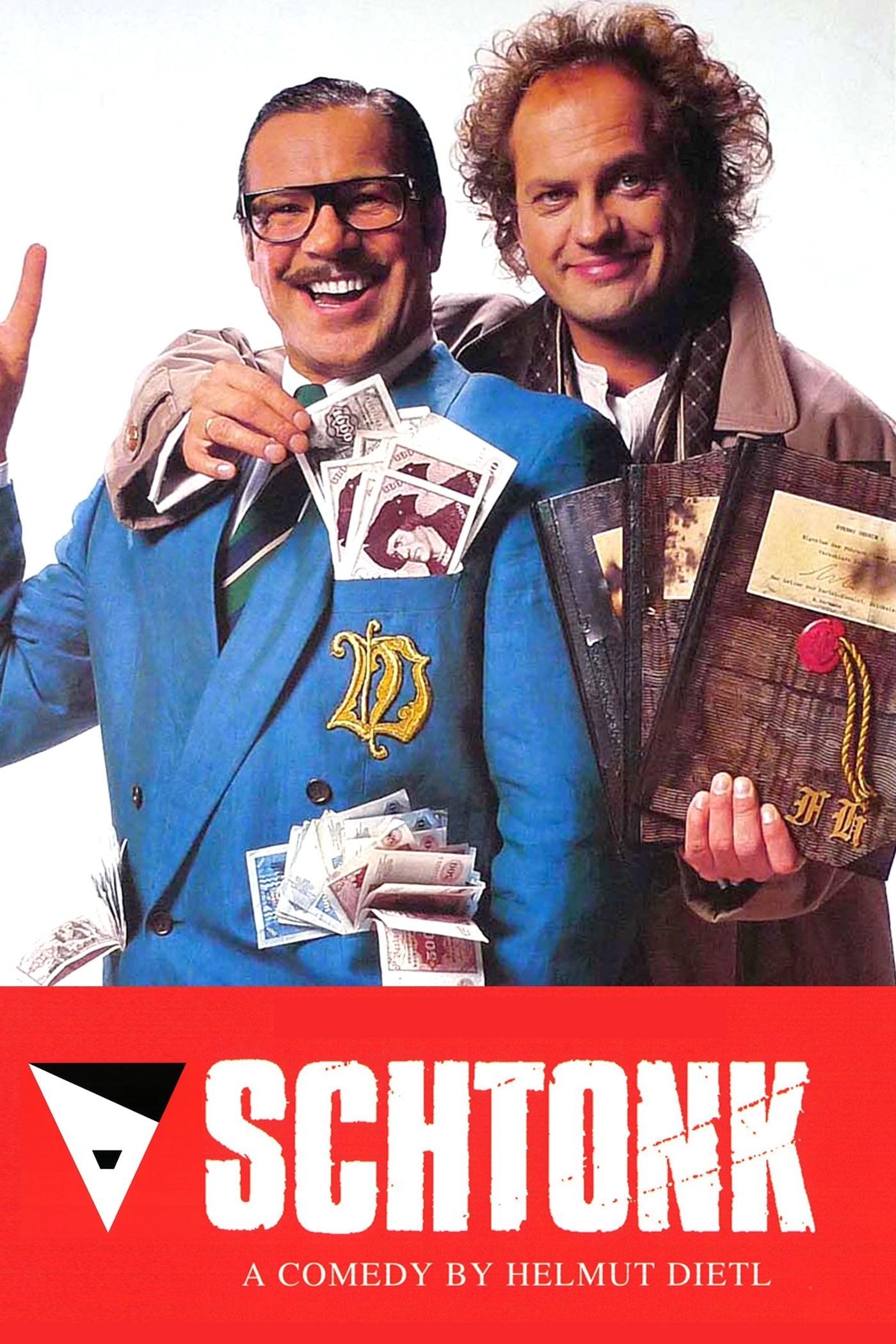
Schtonk!
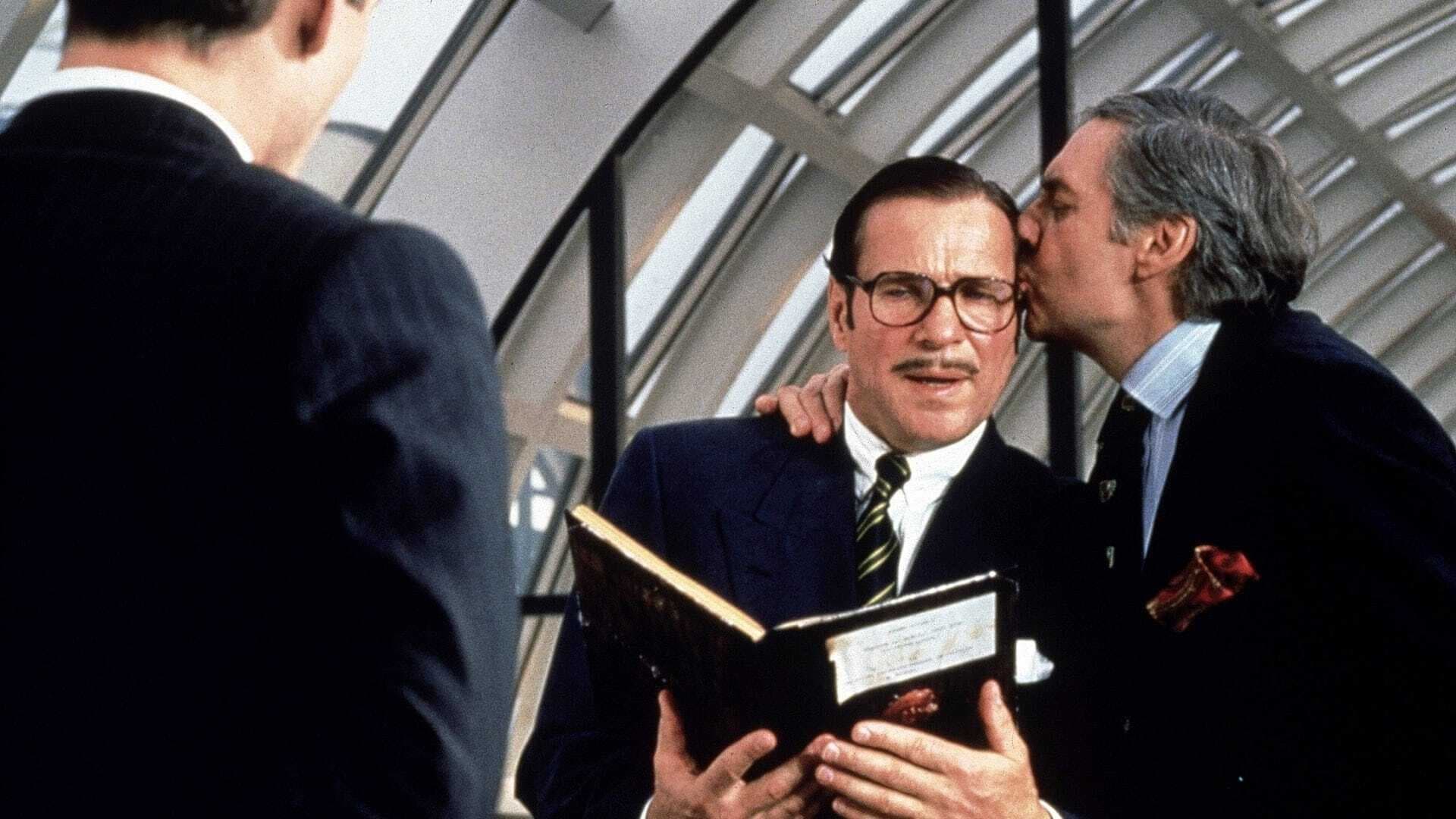
Schtonk! is a farce of the actual events of 1983, when Germany's Stern magazine published, with great fanfare, 60 volumes of the alleged diaries of Adolf Hitler – which two weeks later turned out to be entirely fake. Fritz Knobel (based on real-life forger Konrad Kujau) supports himself by faking and selling Nazi memorabilia. When Knobel writes and sells a volume of Hitler's (nonexistent) diaries, he thinks it's just another job. When sleazy journalist Hermann Willié learns of the diaries, however, he quickly realizes their potential value... and Knobel is quickly in over his head. As the pressure builds and Knobel is forced to deliver more and more volumes of the fake diaries, he finds himself acting increasingly like the man whose life he is rewriting. The film is a romping and hilarious satire, poking fun not only at the events and characters involved in the hoax (who are only thinly disguised in the film), but at the discomfort Germany has with its difficult past.
Insights
Plot Summary
In this satirical comedy, a disgraced art forger, an unscrupulous journalist, and a clueless right-wing publisher team up to create a sensational fake Hitler diary. Their plan involves embedding the forgery within a supposed secret Nazi gold treasure, aiming to profit from the ensuing media frenzy and public fascination with the Führer. However, their scheme quickly spirals out of control as the diary's fabricated content ignites a national debate and attracts dangerous attention.
Critical Reception
Schtonk! was a significant box office success in Germany and received generally positive reviews for its sharp satire and comedic performances. It was lauded for its daring take on historical myth-making and media manipulation, although some critics found its humor occasionally overly broad. The film was Germany's official submission for the Best Foreign Language Film Oscar.
What Reviewers Say
Praised for its biting satire on media sensationalism and historical revisionism.
Götz George's performance as the art forger was frequently highlighted.
Some found the humor to be occasionally too broad or unsubtle.
Google audience: Audience reception on Google is not readily available, but the film was a commercial hit in Germany, suggesting strong public engagement with its satirical themes.
Awards & Accolades
Nominated for the Golden Globe Award for Best Foreign Language Film. It was also Germany's submission for the Academy Award for Best Foreign Language Film, but was not nominated.
Fun Fact
The film's satirical take on the famous 1983 'Hitler diaries' scandal, which involved forged diaries purported to be Adolf Hitler's, was highly controversial and successful in Germany.
AI-generated overview · Verify ratings on official sources