Movie spotlight
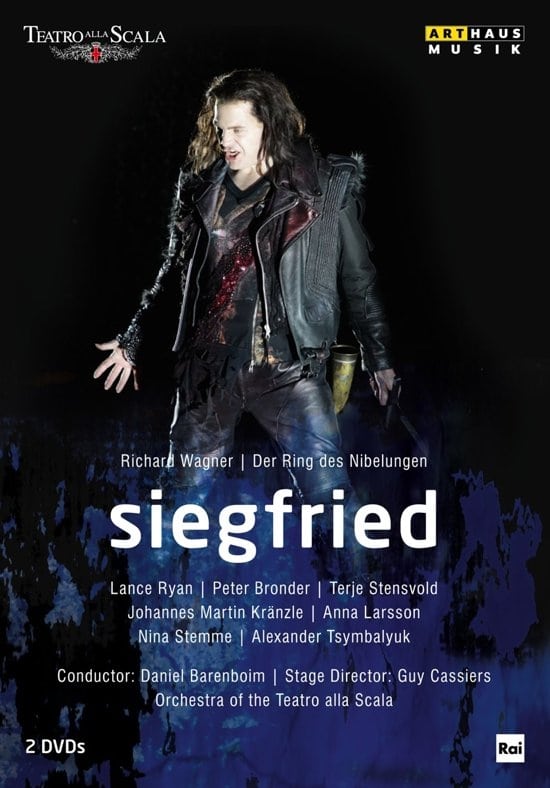
Wagner: Siegfried
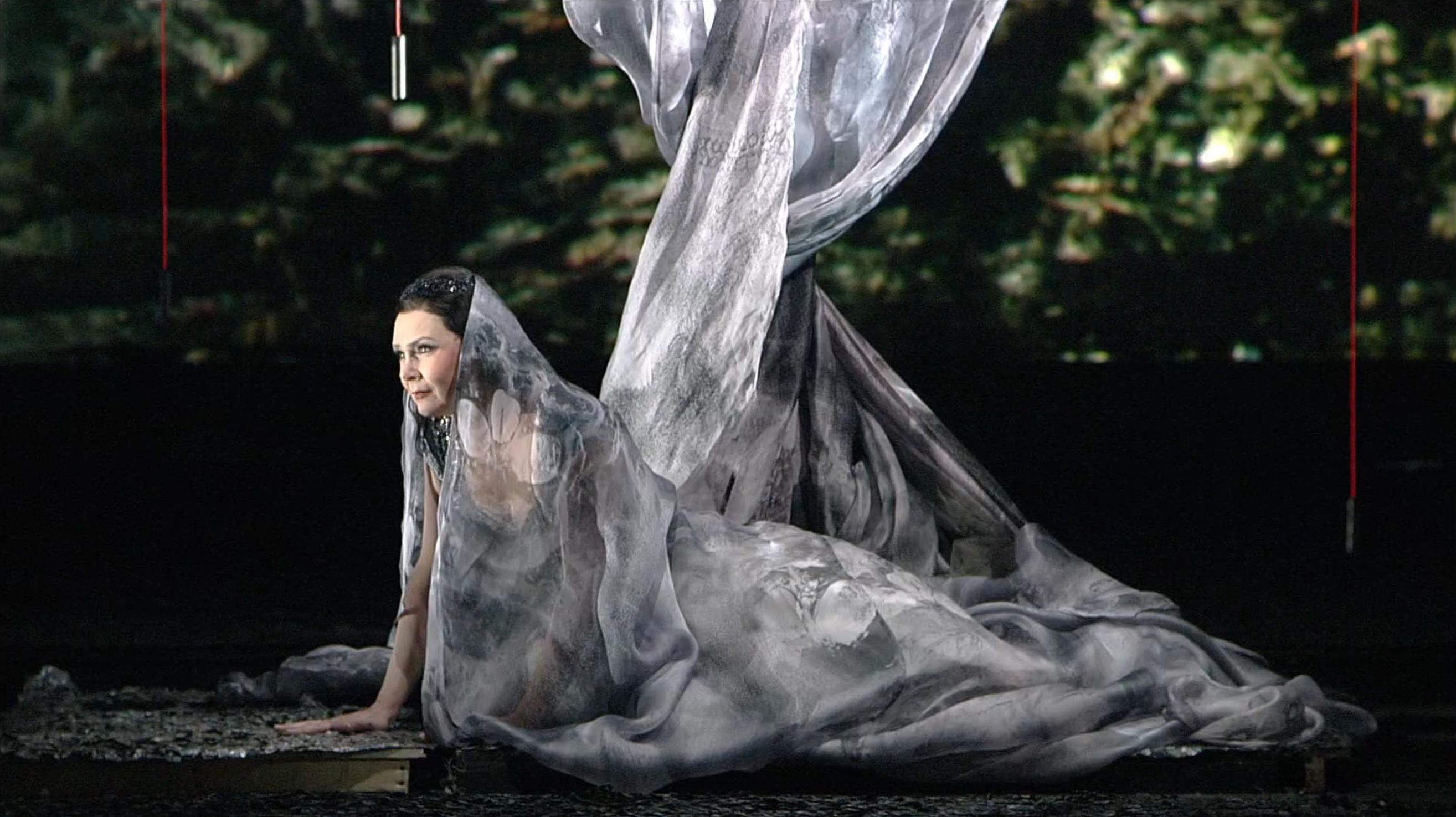
In Siegfried, the “Second Day” or third evening of the Ring Cycle, we meet the pivotal hero of the epic tale. The energetic drive from Die Walküre is pursued here while Siegfried finally recaptures the mighty ring from Fafner the Dragon and awakens Brünnhilde from her penal sleep on the great rock. Lance Ryan, having interpreted this role on the greatest stages of the world including the Bayreuth Festival, portrays the naïve hero. His antagonists are Peter Bronder, great and agile as Mime, Terje Stensvold, an experienced Wanderer and Johannes Martin Kränzle, who continues his mean and deceitful depiction of Alberich. The leading ladies are Nina Stemme, once again unrivalled as Brünnhilde and Anna Larsson, moving as the God-mother Erda.
Insights
Plot Summary
This production of Wagner's 'Siegfried' is part of the epic 'Ring Cycle' and tells the story of the titular hero, an amoral, fearless young man. He forges the magic sword, confronts the dragon Fafner, and ultimately awakens the dormant Brünnhilde. The opera explores themes of heroism, greed, and the transformative power of love.
Critical Reception
Frank Castorf's highly unconventional production of 'Siegfried' at the Bayreuth Festival polarized critics and audiences. While some praised its daring conceptual approach and the strength of the musical performance, others found it bewildering and disrespectful to the source material. The staging, set in a post-apocalyptic Russian landscape, was a particular point of contention.
What Reviewers Say
Praised for its musical execution and ambitious, albeit controversial, directorial vision.
Criticized for a staging that often overshadowed the operatic narrative.
Divided opinions on whether the conceptual approach enhanced or detracted from the work.
Google audience: Audience reception was mixed, with some appreciating the innovative staging and musical quality, while others found the directorial choices perplexing and disconnected from Wagner's original intent.
Fun Fact
Director Frank Castorf famously staged the entire 'Ring Cycle' as a sprawling, allegorical commentary on globalization and its discontents, incorporating elements like a Trabant car, a gas station, and references to consumer culture.
AI-generated overview · Verify ratings on official sources