Movie spotlight
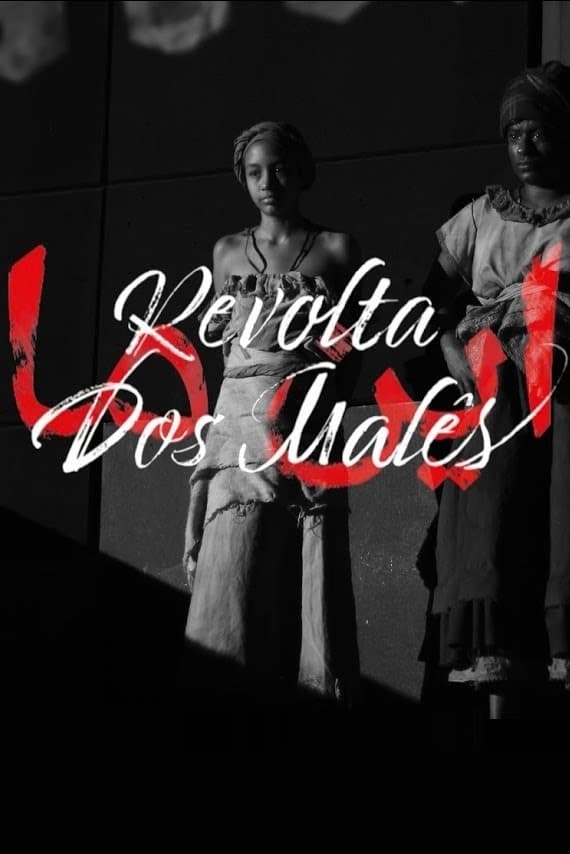
Revolta dos Malês
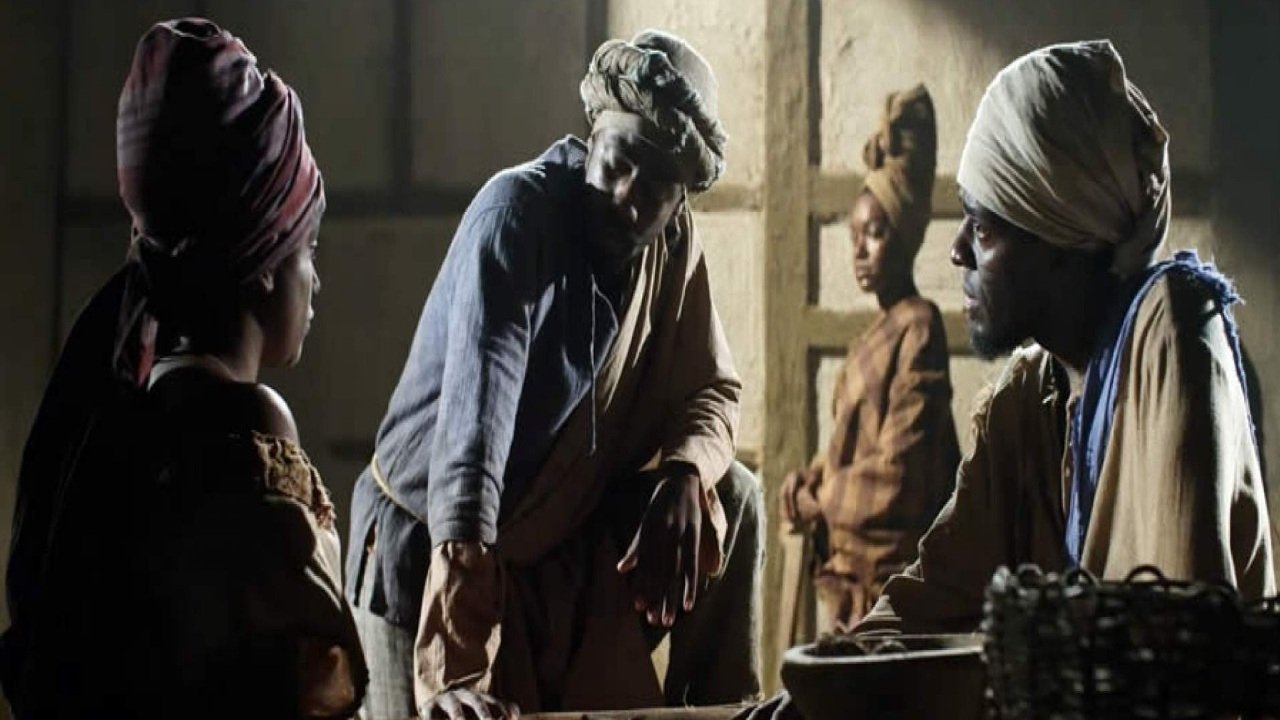
Salvador, Bahia, January 1835. After more than a decade of hard work, Guilhermina, 27, a slave of Muslim origin, finally gets the resources to buy her manumission, as well as that of Teresa, 11, her teenage daughter. But, contrary to an old promise, his “lord”, farmer Souza Velho, refuses to sell the girl's letter. When Pacific Licutan, Salvador's most esteemed Islamic leadership, is arrested by the Bahian authorities, the Muslim community goes into a boiling state and begins to articulate a jihad. In desperation, Guilhermina sees in the uprising the only way to win her daughter's freedom.
Insights
Plot Summary
In 19th-century Salvador, Bahia, a group of enslaved African Muslims, known as the Malês, face brutal oppression. Driven by their faith and a desire for freedom, they organize a clandestine rebellion against their enslavers. The film depicts their struggle for dignity, cultural preservation, and the fight for liberation against overwhelming odds.
Critical Reception
The film has been recognized for its powerful portrayal of a significant historical event in Brazilian history, highlighting the agency and resistance of enslaved people. It has been praised for its direction, performances, and its contribution to telling underrepresented narratives.
What Reviewers Say
Praised for its historical accuracy and the importance of its subject matter.
Commended for strong direction and impactful performances.
Noted for its contribution to Afro-Brazilian cinema and historical storytelling.
Google audience: Audience reception information is not widely available from Google reviews for this specific title.
Awards & Accolades
Notable for its selection to various film festivals and its recognition within Brazilian cinema.
Fun Fact
The Malê Revolt was one of the largest slave rebellions in Brazil, predominantly carried out by enslaved Africans who were literate and practiced Islam.
AI-generated overview · Verify ratings on official sources