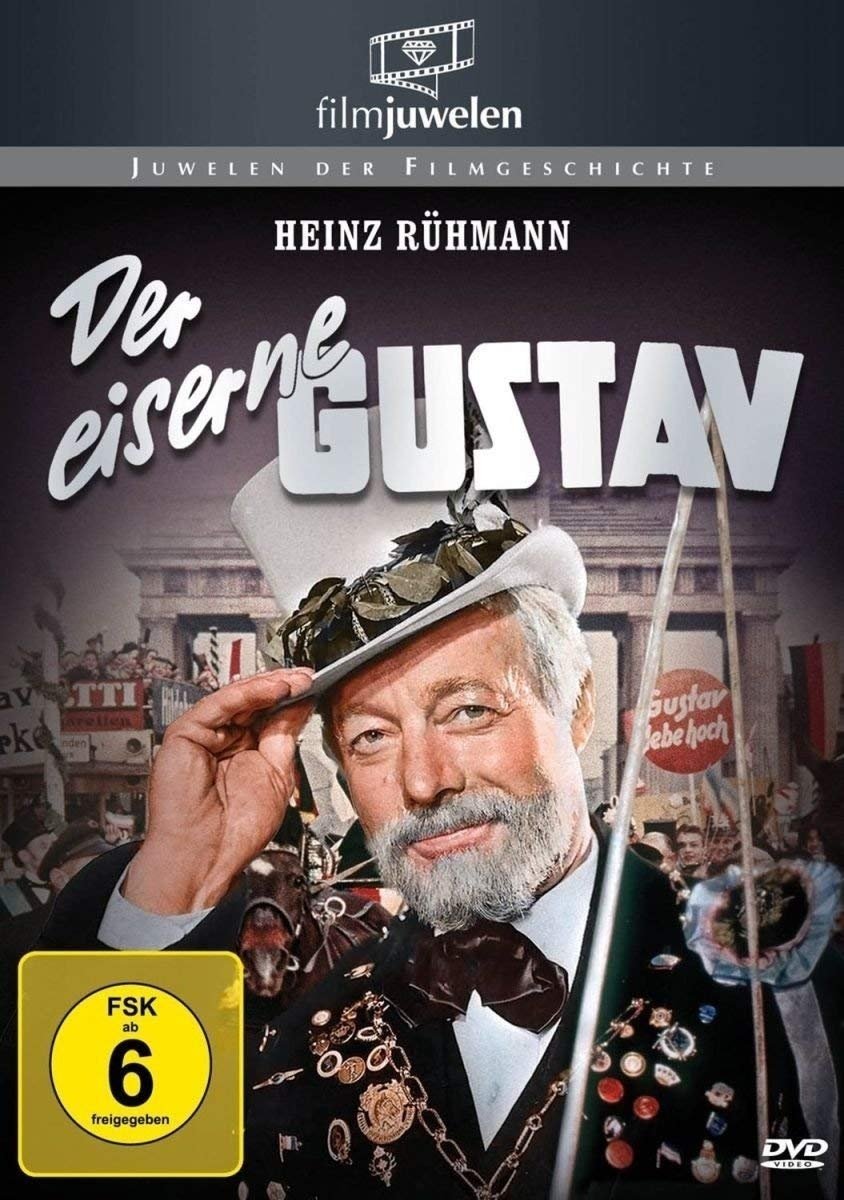

Der eiserne Gustav
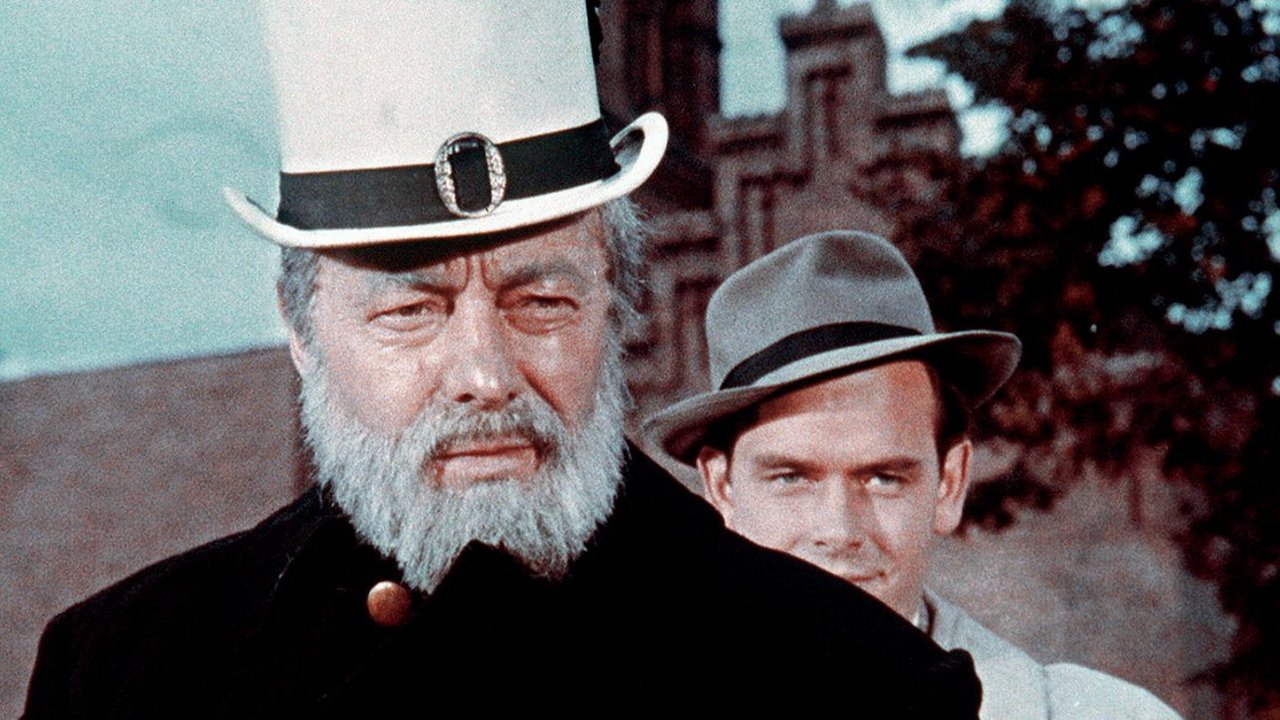
Gustav Hartmann is in trouble. Because of the new taxis he doesn't get many passengers in his horse-drawn carriage. To prove what he and his horse are capable of, he starts a trip from Berlin to Paris.
Insights
Plot Summary
The film tells the story of Gustav, a Berlin taxi driver who is known for his strong principles and dedication to his profession. During the turbulent years of the Weimar Republic and the rise of Nazism, Gustav navigates the changing political landscape and societal pressures. His unwavering commitment to his values and his city makes him a symbol of resilience and integrity amidst chaos.
Critical Reception
Der eiserne Gustav was a popular film in West Germany upon its release, resonating with audiences for its portrayal of a principled man standing firm against historical turmoil. While not a major international critical success, it is remembered as a significant German production of its era, praised for its lead performance and its depiction of a bygone Berlin.
What Reviewers Say
- Praised for Heinz Rühmann's charismatic and grounded performance as the titular taxi driver.
- Appreciated for its depiction of Berlin during a tumultuous historical period.
- Seen as a solid, if somewhat conventional, German drama of the post-war era.
Google audience: Audience reception data for this specific film from Google reviews is not readily available. However, its historical context suggests it was likely well-received by German audiences who identified with its themes of resilience and local pride.
Fun Fact
The film is based on the real-life story of a Berlin taxi driver who became a symbol of the city's resilience.
AI-generated overview · Verify ratings on official sources