
Movie spotlight
Fette Welt
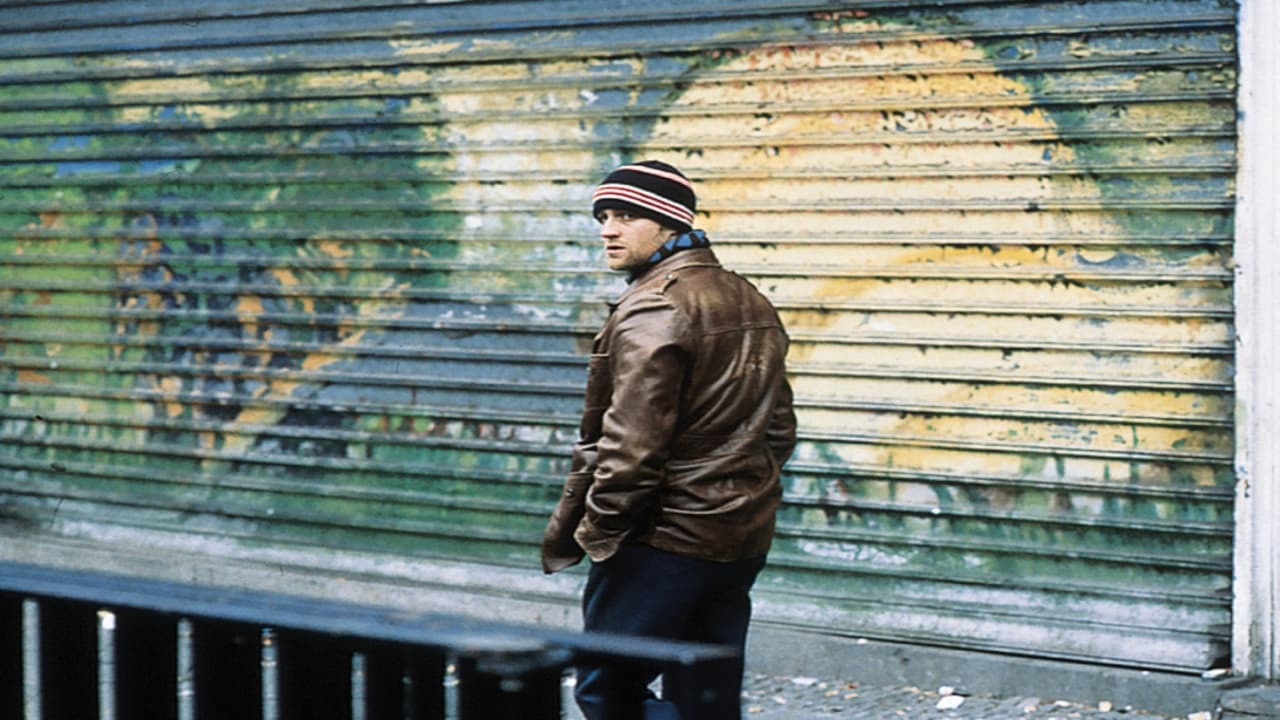
They kiss and they fight, they love and they kill each other: Hagen Trinker and the others, bums and junkies, men and women. They live in Munich, under the bridge, in the shell of a building. Sometimes an armchair is their home, sometimes a newspaper is their mattress. But mostly they are on the move anyway, on the street, in shopping arcades, at the train station - without a destination and without illusions. Then Julia joins them, 15 years old, who has run away from home - a princess, as one of the clique says. Hagen falls in love with her. A fairy tale begins, and the next moment it is already over. But now Hagen is ready to fight once more: he simply has to find Judith again...
Insights
Plot Summary
A young, overweight woman named Katrin struggles with her self-image and societal pressures in contemporary Germany. She navigates the complexities of family relationships, romantic entanglements, and the constant battle against her own insecurities. The film explores themes of body image, love, and the search for acceptance in a world that often judges based on appearance.
Critical Reception
Fette Welt received a mixed to positive reception, with many critics praising Julia Jentsch's sensitive portrayal of the protagonist. While some found the narrative to be somewhat predictable, the film was generally appreciated for its honest and empathetic look at body image issues and the challenges faced by young women.
What Reviewers Say
Praises for Julia Jentsch's performance
Appreciated for its sensitive handling of body image themes
Some found the story to be understated and at times slow-paced
Google audience: Audience reception for Fette Welt is not widely documented on Google, but available reviews suggest an appreciation for its realistic portrayal of everyday struggles and relatable characters.
Fun Fact
The film's director, Jan Schütte, is known for his character-driven dramas that often explore the complexities of human relationships.
AI-generated overview · Verify ratings on official sources