
badelf
This film reminds me of when I played in a Harold Pinter play. The words are nothing - it's all in the subtext, the unspoken dialogue. This film, moreover, has the added visual contribution of the brilliant filmmaker. It is a minimalis...
Movie spotlight
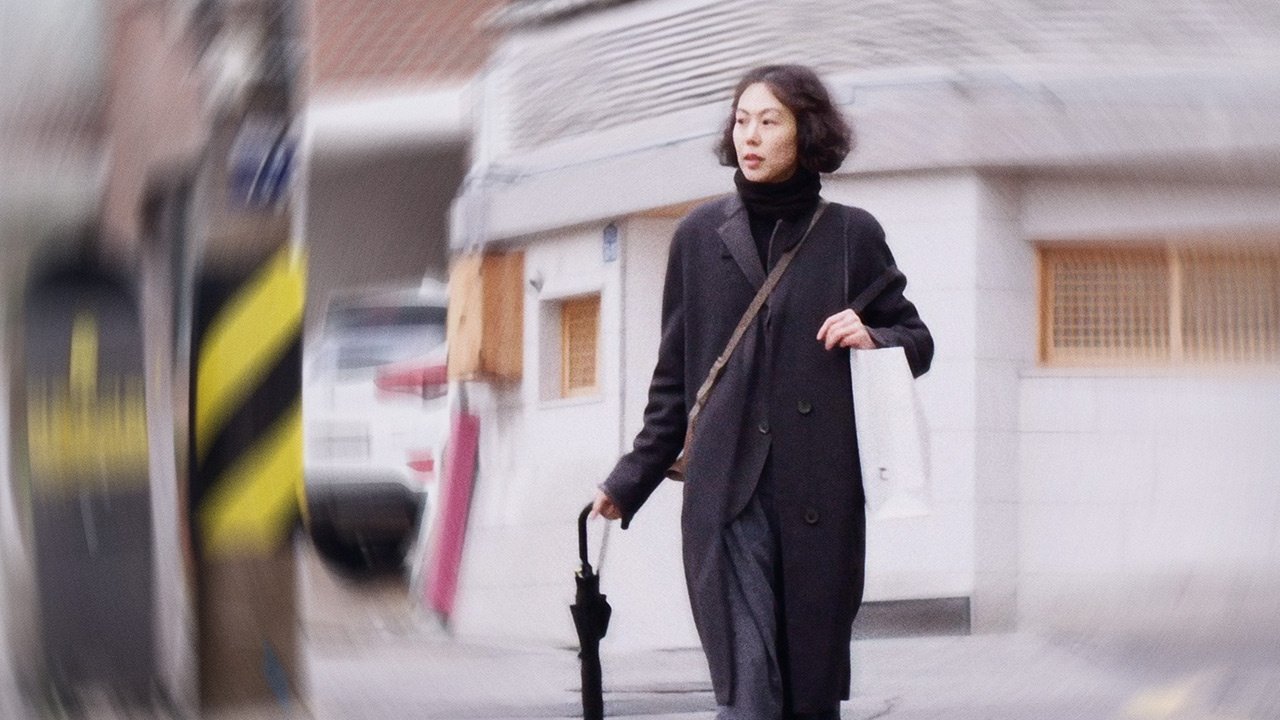
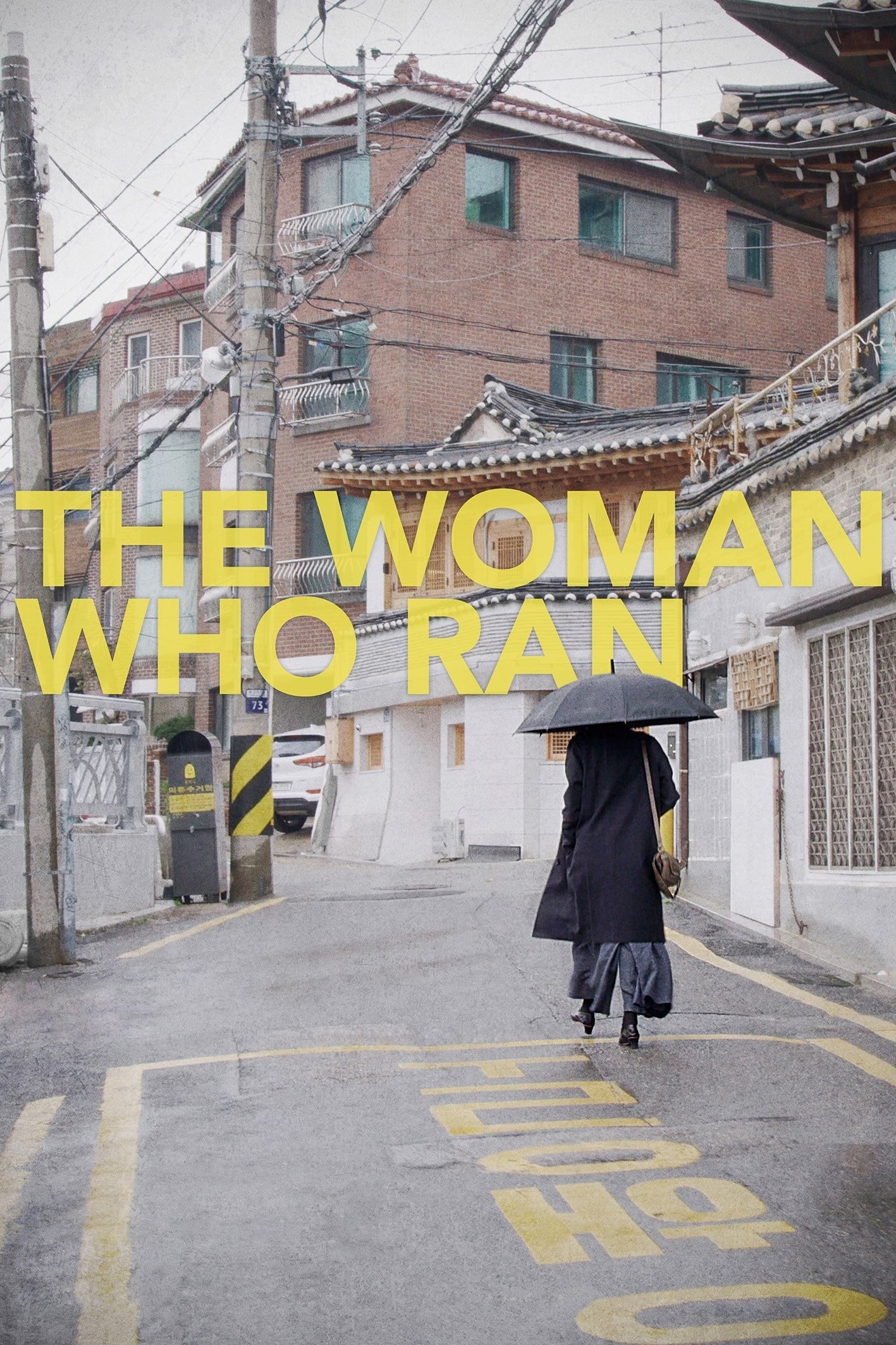
While her husband is on a business trip, Gamhee meets three of her friends. She visits the first two at their homes, and the third she encounters by chance at a theater. While they make friendly conversation, as always, several currents flow independently above and below the surface of the sea.
A woman, Gam-hee, travels to meet friends in the countryside while her husband is away on business. She visits two friends and then encounters a third woman, creating a series of gentle, conversational encounters. The film explores themes of female friendship, unspoken desires, and the quiet observations of everyday life.
The Woman Who Ran received widespread critical acclaim for its subtle direction, naturalistic performances, and contemplative exploration of female relationships. Critics lauded Hong Sang-soo's signature minimalist style and his ability to find depth in the seemingly mundane.
Praised for its understated charm and authentic portrayal of female friendships.
Noted for Hong Sang-soo's distinctive directorial style and observational depth.
Appreciated for its subtle humor and exploration of unspoken emotions.
Google audience: Audiences generally appreciated the film's quiet, observational nature and its focus on the nuances of female relationships. Some found it a bit too minimalist, but most enjoyed its authentic dialogue and relatable characters.
Won the Silver Bear for Best Director at the 70th Berlin International Film Festival.
The film was shot entirely on 35mm film, a deliberate choice by director Hong Sang-soo to evoke a specific aesthetic and texture.
AI-generated overview · Verify ratings on official sources
This film reminds me of when I played in a Harold Pinter play. The words are nothing - it's all in the subtext, the unspoken dialogue. This film, moreover, has the added visual contribution of the brilliant filmmaker. It is a minimalis...