
Movie spotlight
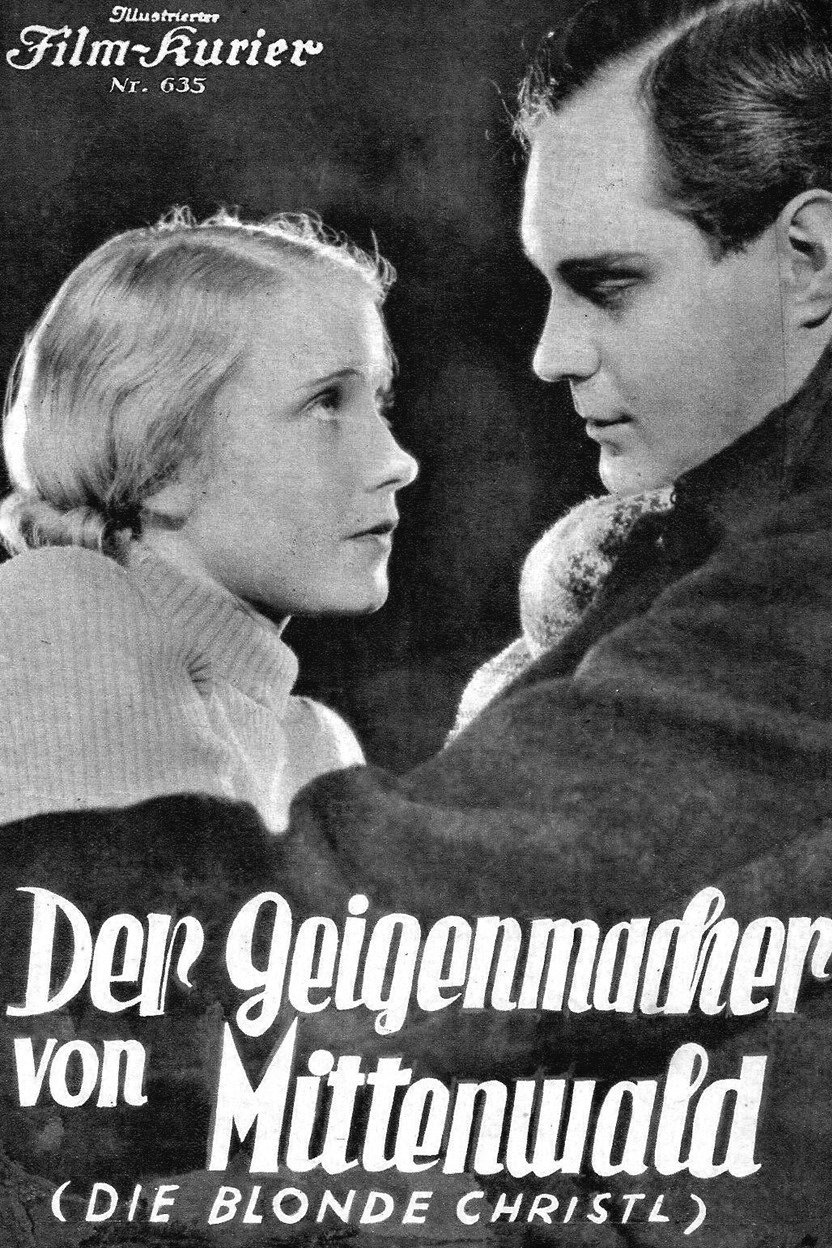
Die blonde Christl
Hans, a young journeyman violin maker, meets and falls in love with Christel. But he has to go to Milan for a year. Before he leaves, the two get engaged. Christel's mother, who is against the union, intercepts Hans' letters from Italy.
Insights
Plot Summary
In this musical comedy, Christl, a spirited young woman, inherits a struggling inn. To save it, she organizes a spectacular village festival, attracting attention from a wealthy businessman who becomes her love interest. The film follows her efforts to revive the inn and find romance amidst cheerful songs and lively dances.
Critical Reception
Die blonde Christl was a popular German musical comedy of its era, generally well-received by audiences for its lighthearted entertainment, catchy songs, and the charm of its lead actress, Magda Schneider. Contemporary reviews often highlighted its escapist qualities and cheerful atmosphere, fitting for the pre-war period.
What Reviewers Say
Praised for its lighthearted escapism and musical numbers.
Magda Schneider's performance was a significant draw for audiences.
Seen as a typical, enjoyable musical comedy of the early 1930s German cinema.
Google audience: Audience reception for this film is difficult to gauge with modern metrics, but it was likely enjoyed as a pleasant, song-filled diversion during its release period.
Fun Fact
The film features a young O.E. Hasse in an early role, who would later become a prominent actor in post-war German cinema.
AI-generated overview · Verify ratings on official sources