Movie spotlight
Auschwitz - One Day
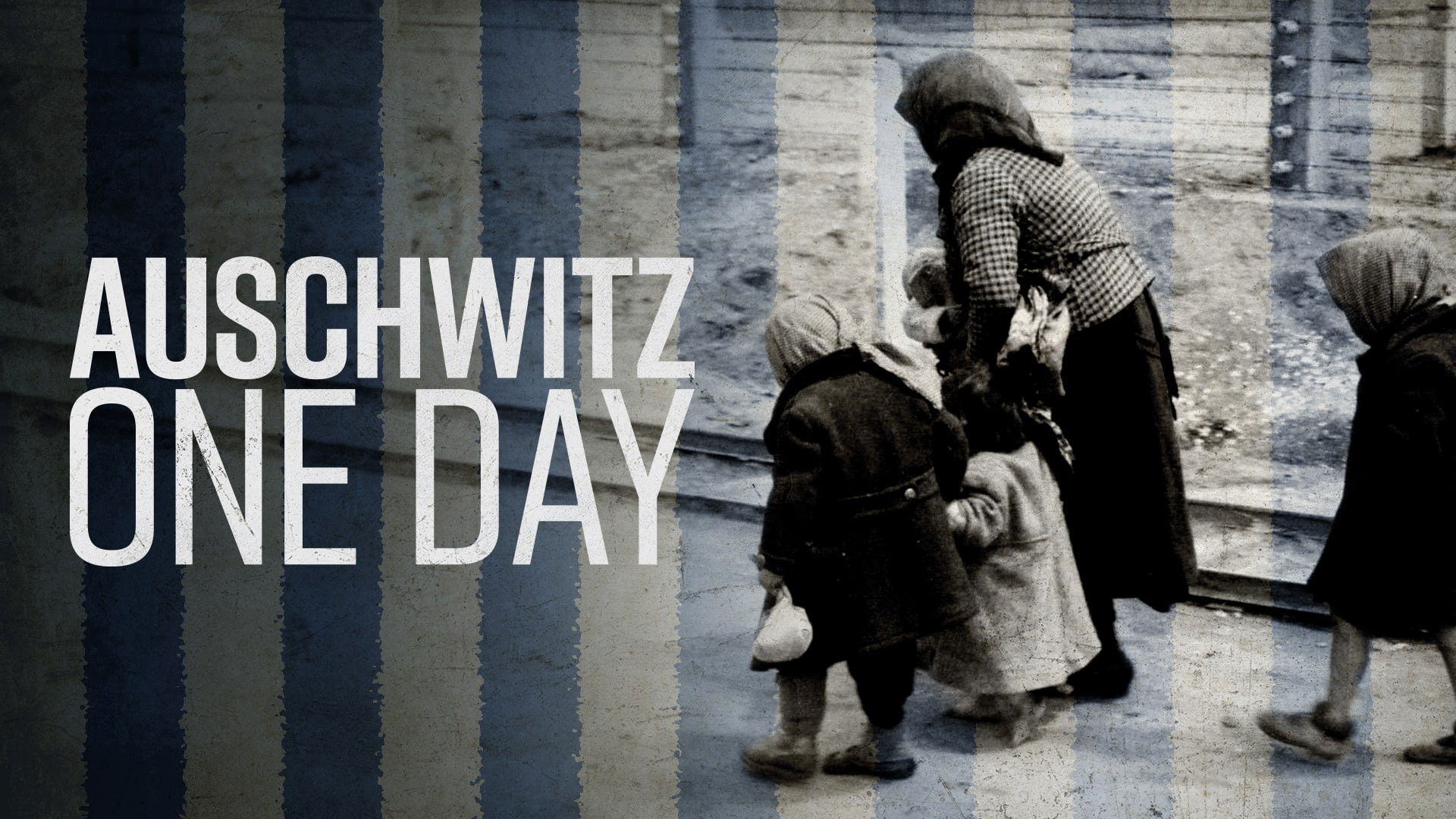
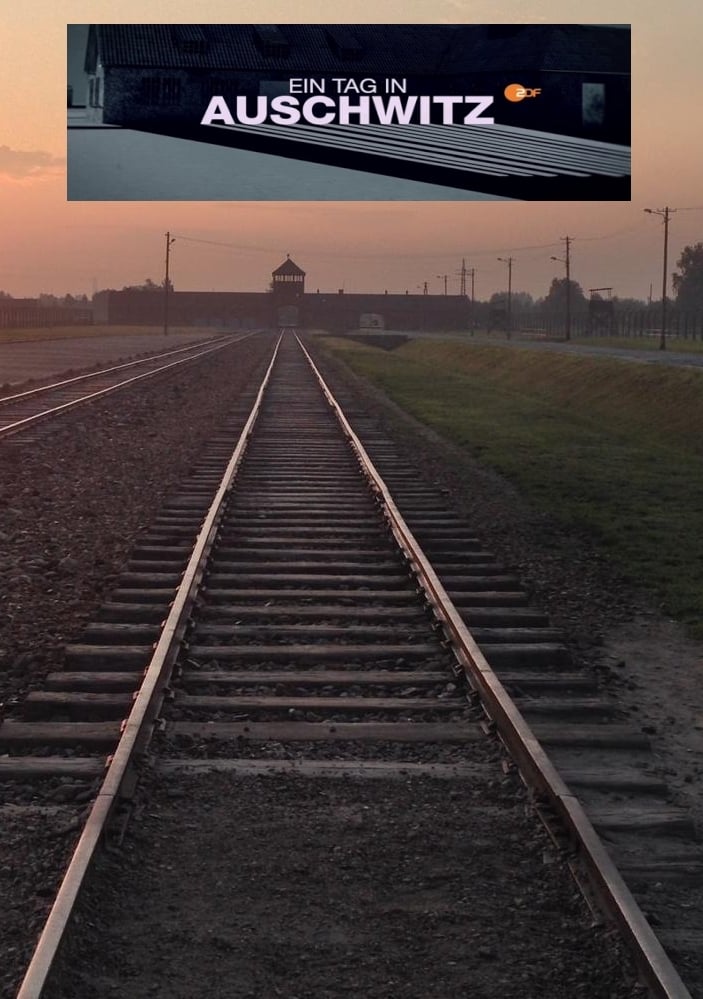
Today, the word "Auschwitz" is a synonym for the Holocaust. Thousands of Jews died there every day. With the help of some acted scenes, photos and graphics, the film tells of a day in May 1944. The starting point is a unique document: a photo album created by the SS perpetrators themselves. Almost all of the photos were taken at the end of May 1944, in just a few days. They show the cruel routine, the arrival of the victims, their "selection" on the ramp, the robbery of their property and the transformation of all those who were not immediately killed, into shaved, uniformed slaves. One survivor is Irina Weiss. On a photo she recognizes her little brothers and her mother - waiting unsuspectingly near the crematorium. The SS photographers captured all of this. Their identity is known today: one of them was Bernhard Walter, a "Stabsscharführer" who lived with his wife and three children near the extermination camp.
Insights
Plot Summary
This documentary offers a poignant and harrowing look into the daily life within the Auschwitz concentration camp during the Holocaust. Through archival footage, survivor testimonies, and expert analysis, it reconstructs a single, representative day, aiming to convey the systematic brutality and the lived experiences of its victims.
Critical Reception
The film received a limited release and garnered attention for its unflinching portrayal of the atrocities committed at Auschwitz. While lauded for its historical accuracy and emotional impact, it also faced discussions regarding the ethical considerations of depicting such sensitive subject matter.
What Reviewers Say
Presents a powerful and necessary historical account of Auschwitz.
The documentary's strength lies in its somber yet direct approach to a difficult subject.
Survivor testimonies are deeply moving and provide essential human context.
Google audience: Audience reviews are scarce due to the film's niche release, but where available, they highlight the film's profound emotional impact and its importance as a historical document.
Fun Fact
Director Piotr Uklanski is also known for his provocative art installations, and his approach to this documentary reflects a desire to confront historical trauma through visual storytelling.
AI-generated overview · Verify ratings on official sources