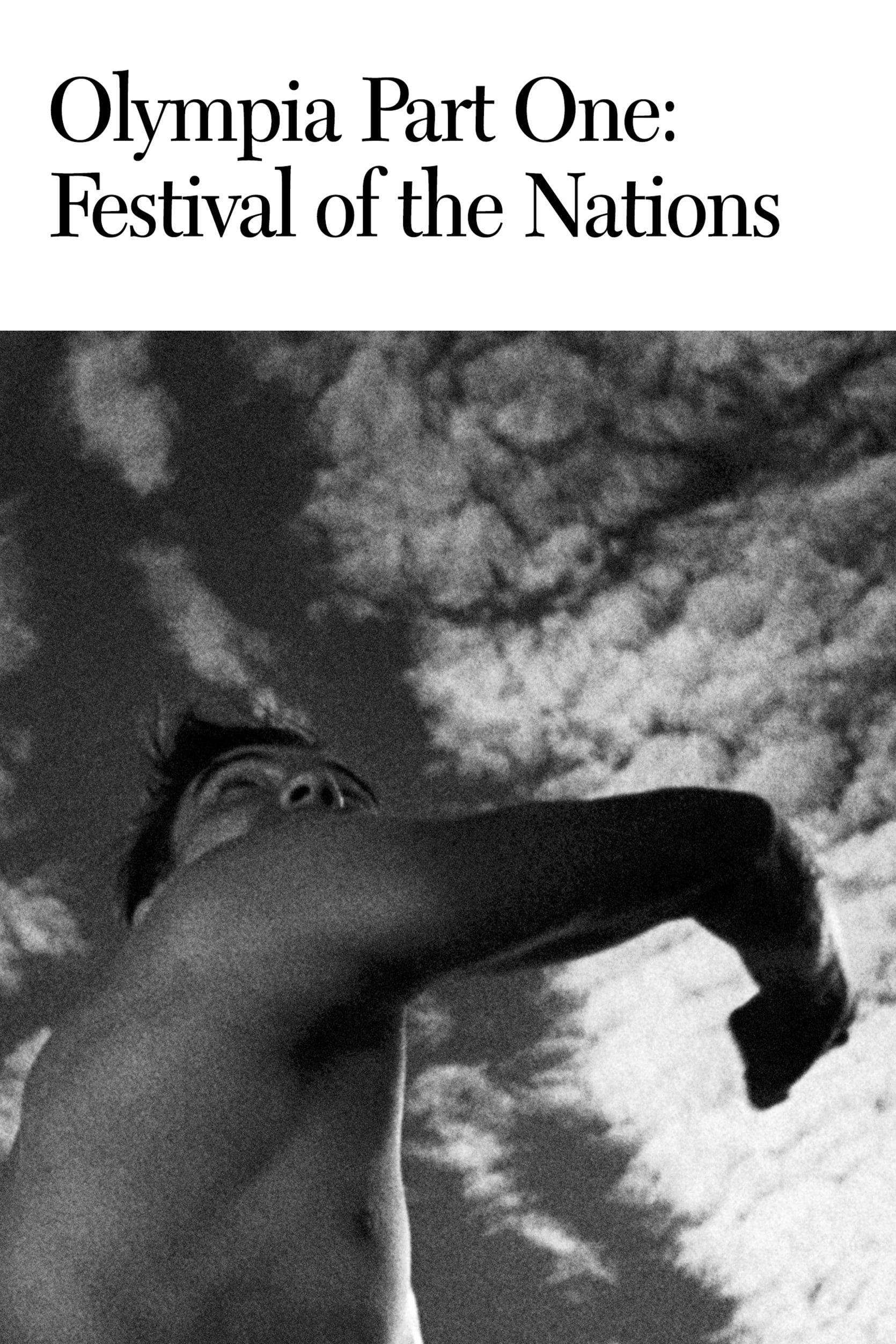
Olympia Part One: Festival of the Nations
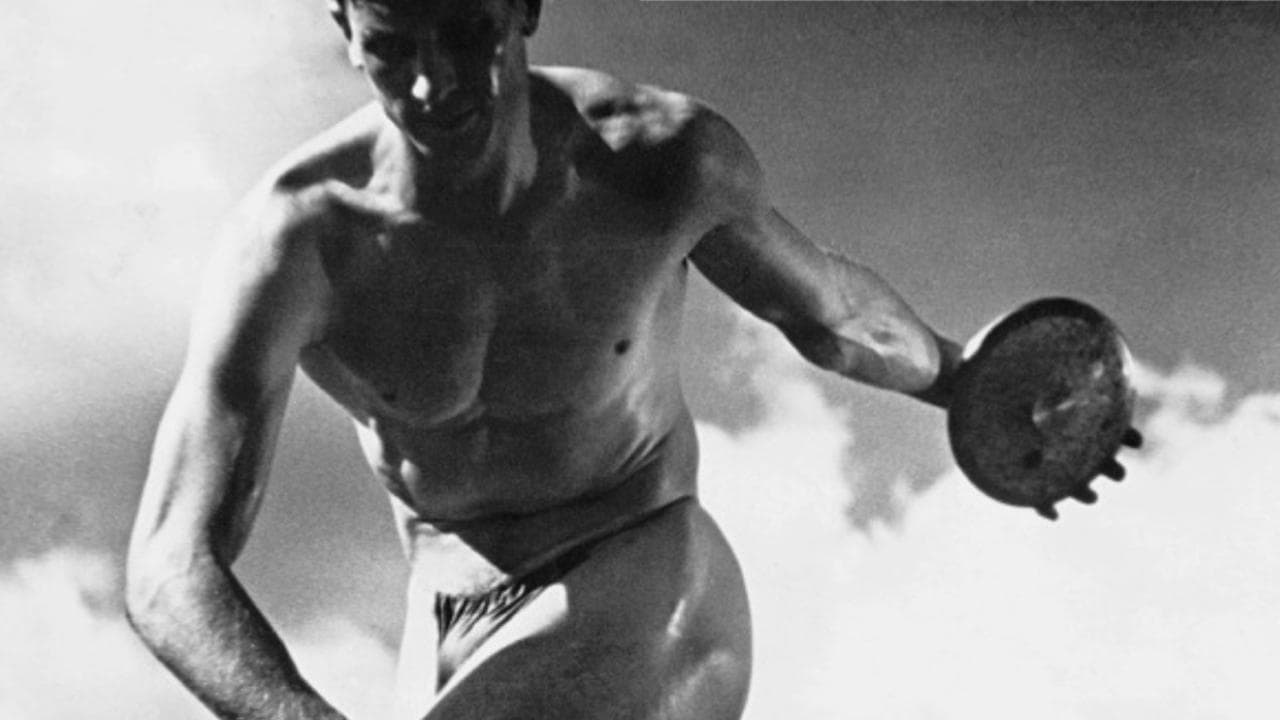
Starting with a long and lyrical overture, evoking the origins of the Olympic Games in ancient Greece, Riefenstahl covers twenty-one athletic events in the first half of this two-part love letter to the human body and spirit, culminating with the marathon, where Jesse Owens became the first track and field athlete to win four gold medals in a single Olympics.
Insights
Plot Summary
This groundbreaking documentary captures the spectacle and athletic prowess of the 1936 Summer Olympics held in Berlin. It showcases a wide array of sports and athletes from various nations, focusing on the competitive spirit and the grandeur of the event. The film highlights both individual achievements and the collective participation, presenting a powerful visual record of a pivotal moment in Olympic history.
Critical Reception
Critically, 'Olympia Part One: Festival of the Nations' is recognized as a landmark achievement in documentary filmmaking, praised for its innovative cinematic techniques and stunning visual presentation. However, its association with the Nazi regime and its propagandistic elements have led to complex and often controversial interpretations regarding its artistic merit versus its political context.
What Reviewers Say
- Praised for its revolutionary cinematography and dynamic editing, setting new standards for sports documentaries.
- Acknowledged as a powerful visual propaganda tool for the Nazi regime, despite its artistic achievements.
- Debated for its complex legacy, balancing groundbreaking filmmaking with its historical context.
Google audience: Information not available.
Awards & Accolades
Won the Grand Prix at the Venice Film Festival in 1938. Nominated for a Golden Lion at the Venice Film Festival.
Fun Fact
Leni Riefenstahl employed a vast crew and experimental techniques, including underwater cameras and cranes, to capture the Olympic events from unique perspectives, many of which were unprecedented at the time.
AI-generated overview · Verify ratings on official sources