Movie spotlight
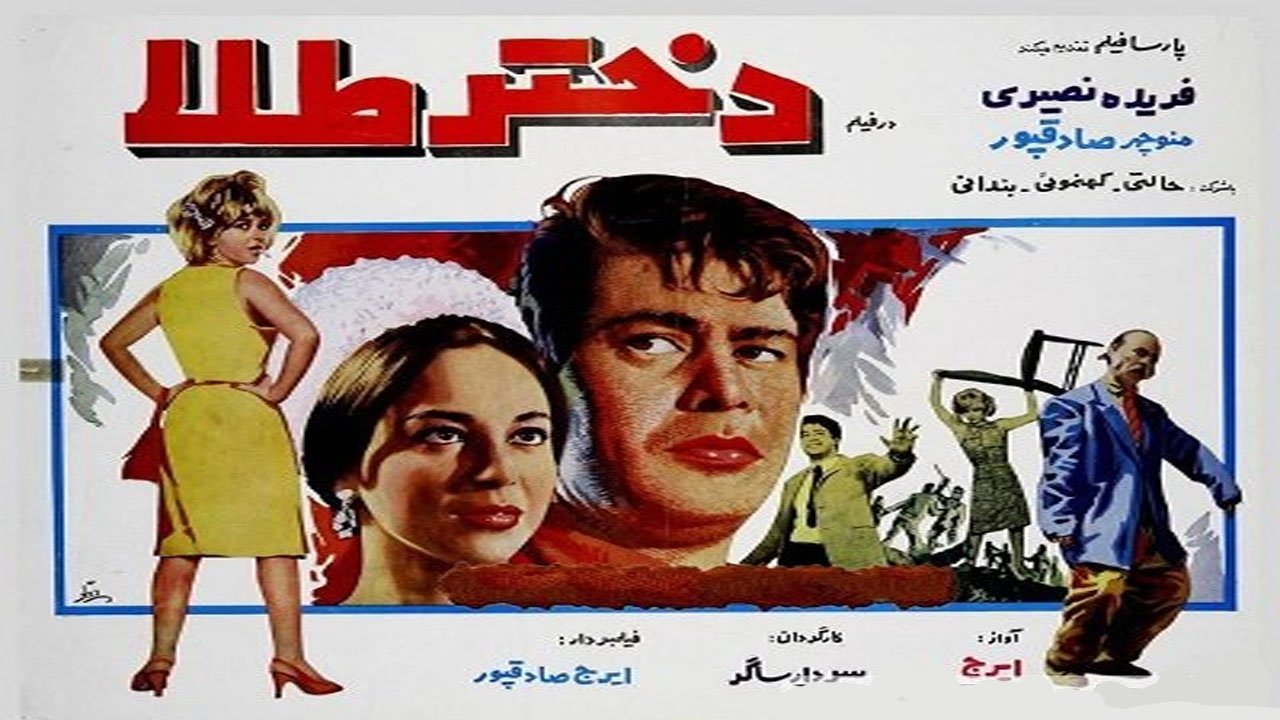
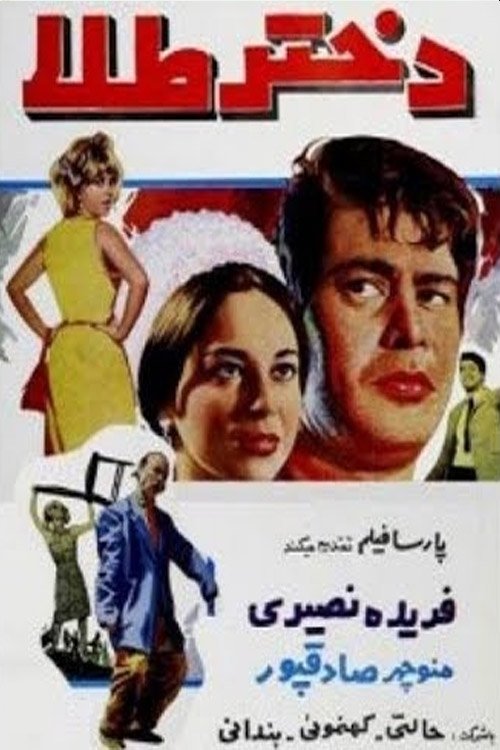
Dokhate-e tala
Homayoun Beyk's wife takes one of her twin children, Shabnam and Sholeh, away from her father in retaliation, and takes care of him herself. Shabnam grows up with her father and flame with her mother. As a young man, Shabnam was in charge of his father's finances, and once they went to Isfahan with Behrouz's lawyers, Shabnam was forced to return to Tehran for 24 hours due to his father's deteriorating condition, while he succeeded. Behrooz will not be notified. Here, Behrouz accidentally encounters the flame of Shabnam's twin sister, who is a singer, and thinks that he is Shabnam, unexpected events occur, and fate decides what happens to them ....
Insights
Plot Summary
The film tells the story of a young woman who grapples with her identity and societal expectations in a traditional setting. Facing pressures related to marriage and family, she must navigate her desires and the consequences of her choices. Her journey explores themes of love, sacrifice, and the search for personal freedom.
Critical Reception
While specific critical reviews from its initial release are scarce, "Dokhate-e tala" is recognized as a notable film from Iran's burgeoning cinematic period. It is often remembered for its dramatic storytelling and the performances of its lead actors.
What Reviewers Say
Praised for its exploration of a woman's internal struggles.
Noted for its period setting and dramatic narrative.
Features strong performances from its cast.
Google audience: Audience reception is difficult to quantify due to the film's age and limited international availability, but it is generally regarded as a significant piece of Iranian cinema from its era.
Fun Fact
The film was part of a wave of Iranian cinema that began to gain international attention for its artistic merit and social commentary in the late 1960s and 1970s.
AI-generated overview · Verify ratings on official sources