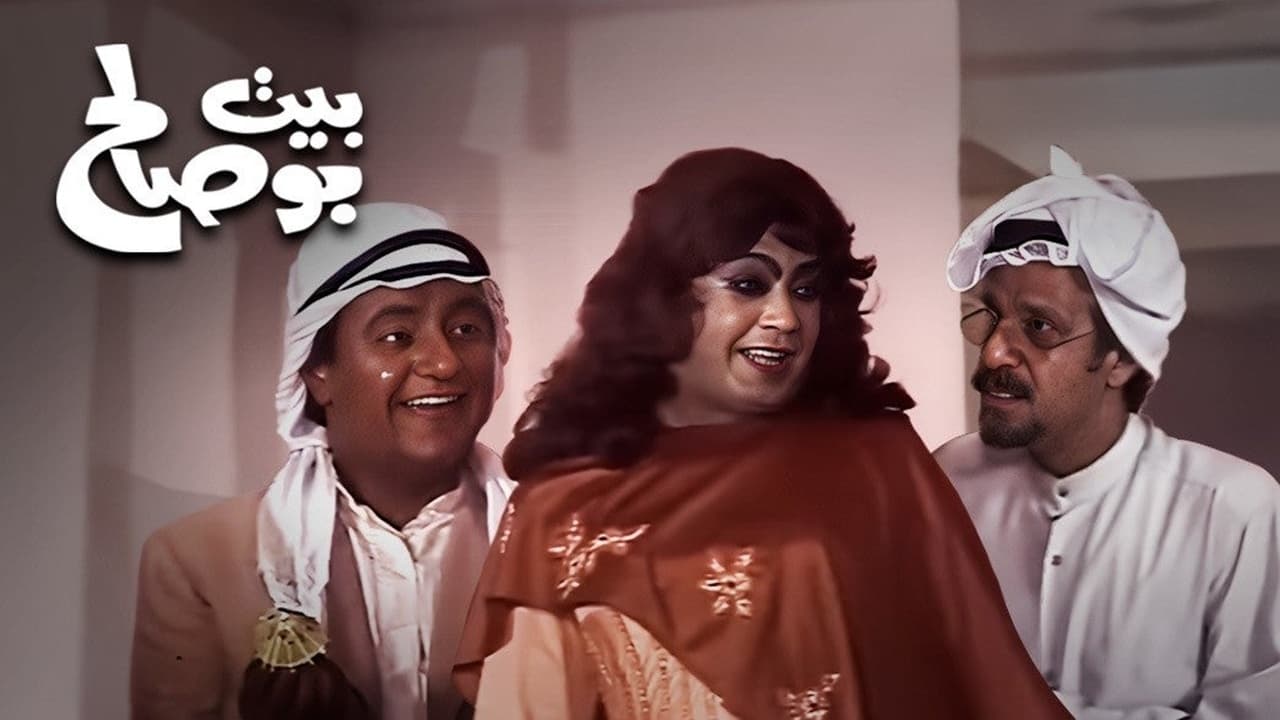

Bu Saleh's House
Bu Saleh's House

Bu Saleh's House

1978Movie180 minArabic

Umm Salih is an authoritarian woman who controls the home and Abu Salih, and she has the first and last word in the house and the situation continues like this until her husband's nephew Ahmed is discharged from the mental hospital, as he returned to avenge his uncle's wife or Salih because it was the reason he entered the hospital, and before that he had suffered a lot from Injustice and domination. He continued to claim madness to reveal many of the secrets that occur in the house to his uncle, which made him regain control of the house, but after his daughter Hoda was lost with a young man.

Read Reviews

Insights

Director: Ghanem Al-HajriGenres: Drama

Plot Summary

The film tells the story of a Kuwaiti family living in the 1950s, focusing on the daily lives and struggles of its members under the patriarchal rule of Bu Saleh. It explores themes of tradition versus modernity, familial relationships, and the societal changes occurring in Kuwait during that era. The narrative often highlights the silent resilience of the women within the household.

Critical Reception

Bu Saleh's House is considered a landmark film in Kuwaiti cinema, praised for its realistic portrayal of Kuwaiti society in the mid-20th century and its sensitive handling of family dynamics. It is often cited for its significant cultural impact and its ability to evoke nostalgia while offering social commentary.

What Reviewers Say

  • Praised for its authentic depiction of Kuwaiti life and customs.
  • Appreciated for its nuanced portrayal of family relationships and societal norms.
  • Recognized as a significant cultural artifact of Kuwaiti cinema.

Google audience: Audience reception in Kuwait often highlights the film's ability to capture a specific historical period and its relatable family drama. It is frequently remembered for its emotional resonance and its contribution to Kuwaiti cultural heritage.

Fun Fact

The film is highly regarded for its detailed set design and costuming, which accurately reflect the visual culture of Kuwait in the 1950s.

AI-generated overview · Verify ratings on official sources

My Review