Movie spotlight
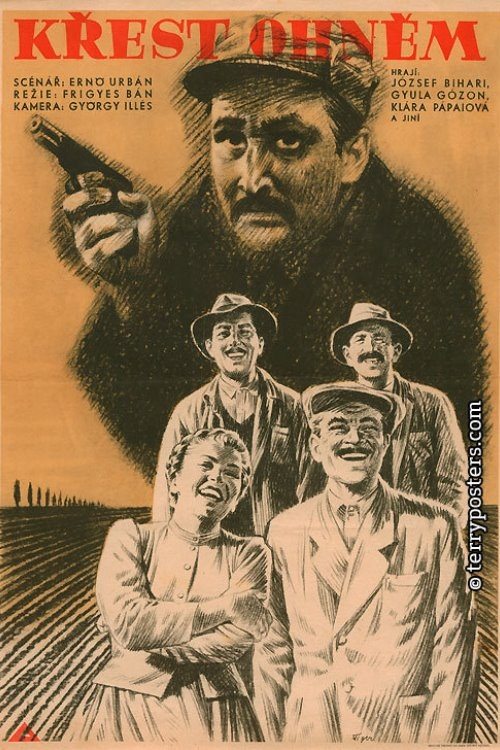
Tüzkeresztség
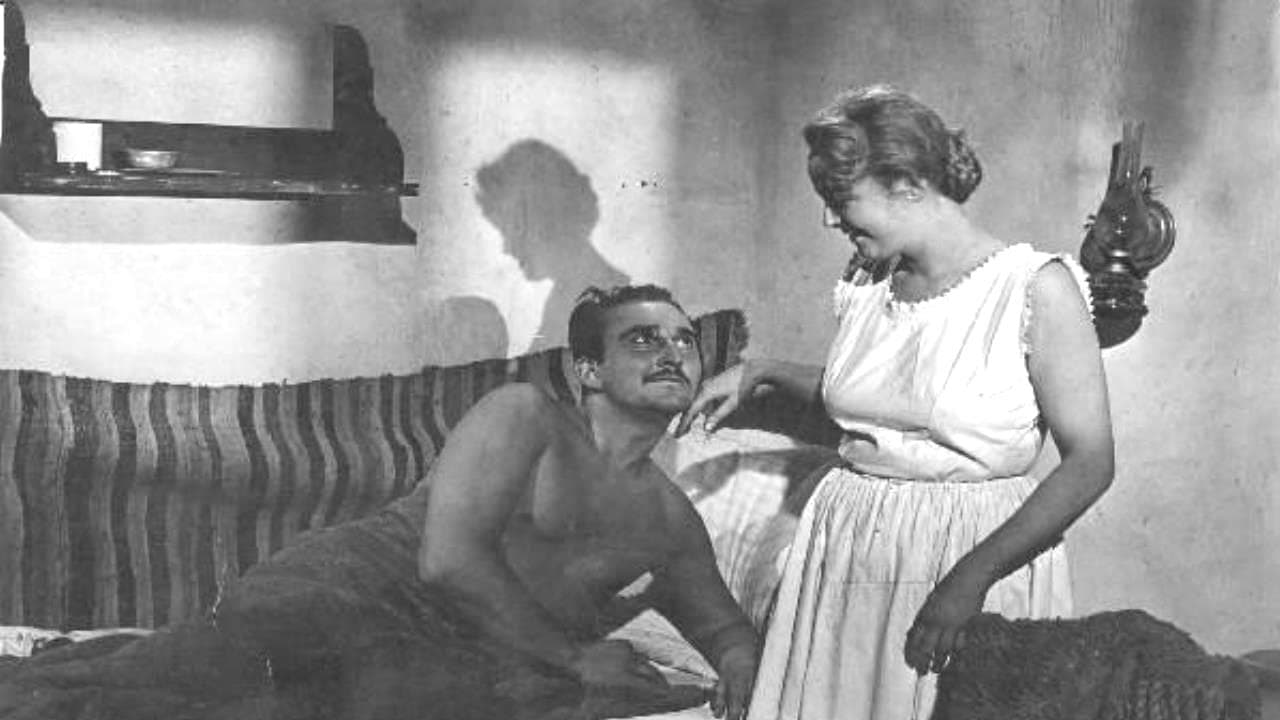
This propaganda film from the early years of socialist transformation in Hungary depicts kulak sabotage in production cooperatives. The prosperous peasant Ignatz Hato, one of the best farmers in the village, joins the Two Octobers cooperative, and soon all the small peasants follow him. The village rich, led by Lili Sohar, watching the great expansion of the cooperative, try to break up the cooperators with each other. Sohar's attempt bears fruit and Hato leaves the cooperative. Next, Lili Sohar tries to convince Ignatz Hato that she is planning to create a rival team of new rich people and urges him to join her. Ignatz refuses and does not give in to the blackmail. Lili's lover, a former gendarme, shoots party secretary Bozhine. At the wounded Božine's bedside, Ignác admits his mistake and asks to be accepted back into the cooperative. Sándor, the president of the cooperative, realizes that the collective should not prevent those who want to work honestly from joining.
Insights
Plot Summary
Set during the turbulent 1950s in Hungary, the film depicts the struggles of individuals caught in the political and social upheaval. It follows a family and their associates as they navigate the complex and often dangerous realities of life under a new regime, exploring themes of loyalty, betrayal, and survival. The narrative focuses on the personal costs of ideological conflict and the search for meaning in a transformed society.
Critical Reception
Tüzkeresztség is a significant film from Hungarian cinema of the era, reflecting the socio-political climate of its time. While critical reception within Hungary was shaped by the prevailing political discourse, international critics noted its stark portrayal of human drama amidst historical change. Audience reception was also tied to the era's context, with the film sparking discussion about its themes.
What Reviewers Say
Praised for its dramatic portrayal of individual struggles within a tumultuous historical period.
Recognized for its competent direction and performances by Hungarian actors of the time.
Seen as a reflection of the socio-political realities of post-war Hungary.
Google audience: Information on specific Google user reviews for this film is not readily available, as it is a historical Hungarian production.
Fun Fact
The film's title, 'Tüzkeresztség', translates to 'Fire Baptism', suggesting a theme of trial by fire or undergoing intense, transformative hardship.
AI-generated overview · Verify ratings on official sources