
Movie spotlight
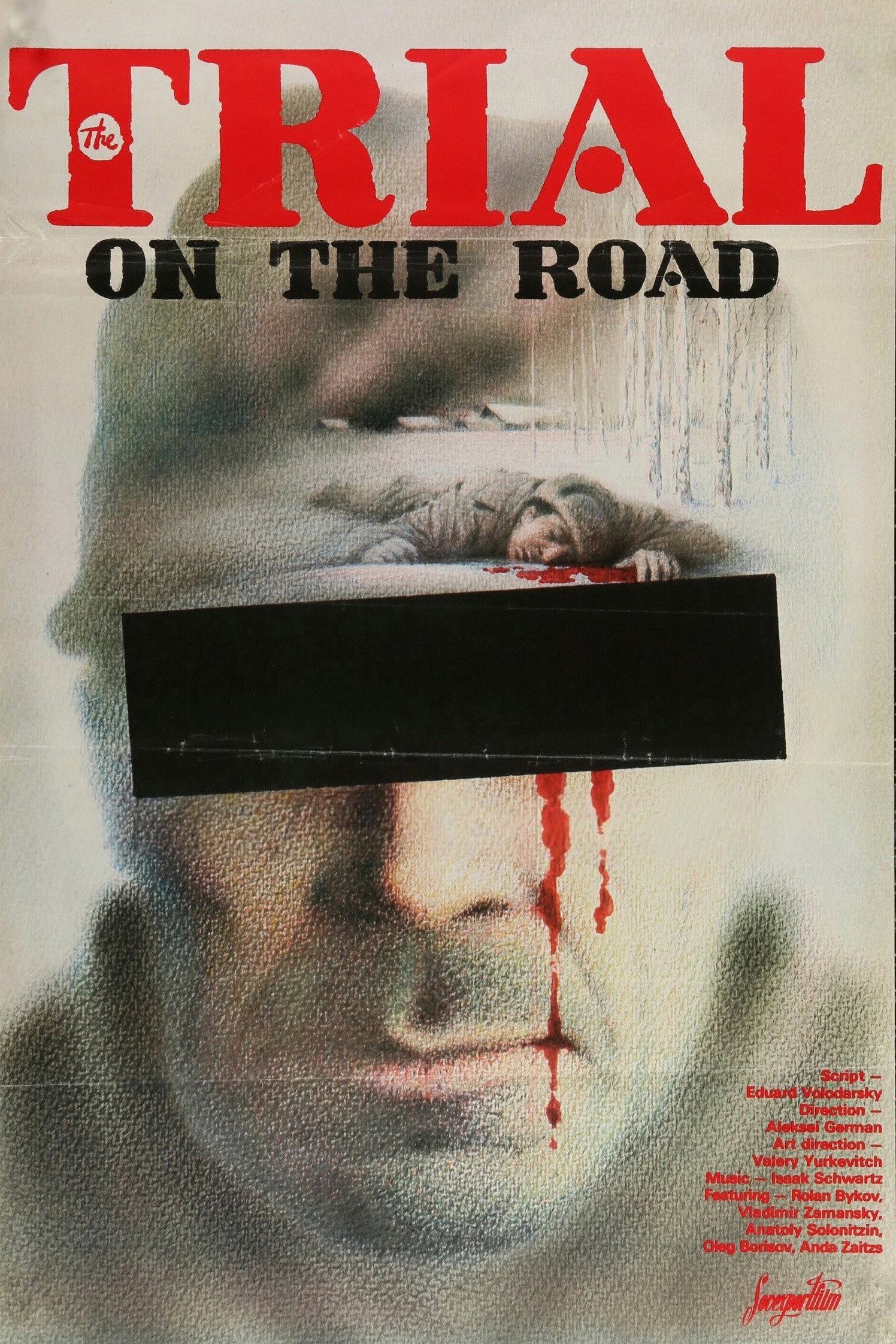
Trial on the Road
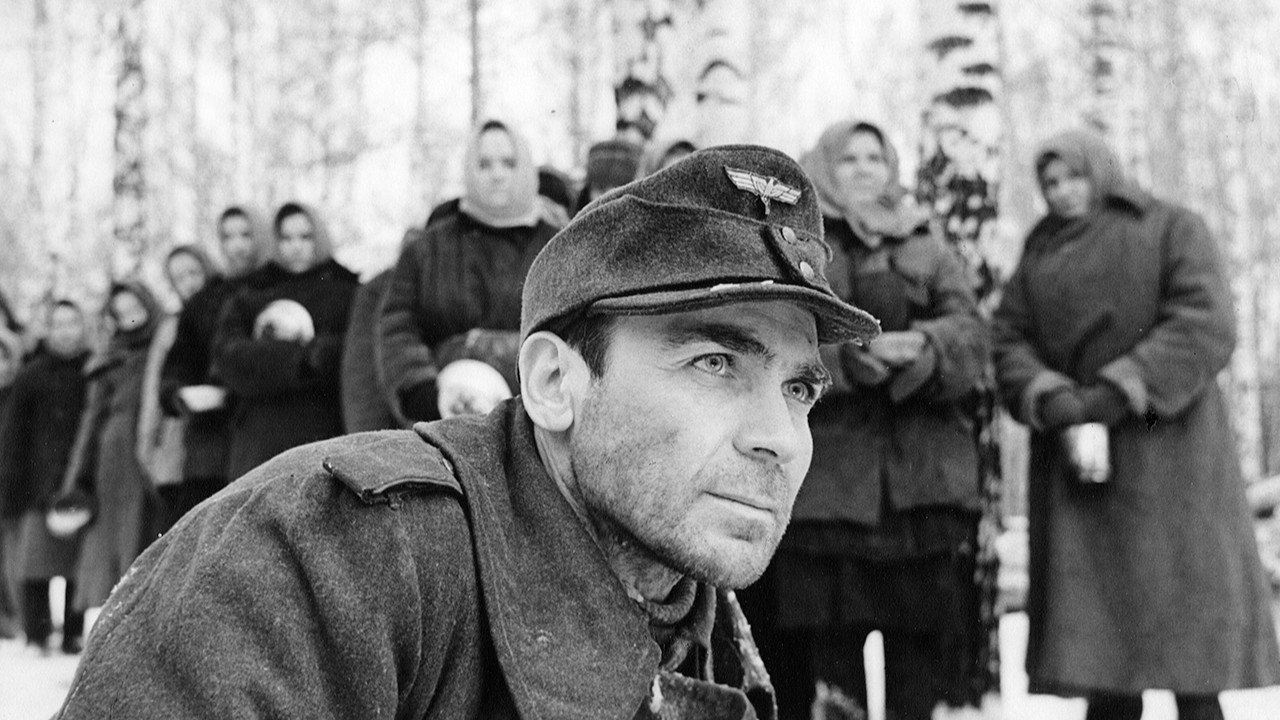
Shot in 1971 but banned until 1986, this distinctly Russian war story takes place in 1942 behind enemy lines. A regiment of partisans captures former Red Army lieutenant Lazarev who is dressed in a German uniform. He’s a Nazi defector and collaborator but now desires to switch back and fight with Russian partisans.
Insights
Plot Summary
Set in the harsh Russian winter of 1941, a wounded Soviet officer is left behind by his retreating unit. He finds himself in a remote village occupied by the Germans, forcing him to confront his own survival instincts and the moral complexities of war. As he navigates the treacherous situation, he grapples with suspicion from the villagers and the constant threat of discovery, testing the limits of his humanity and his will to live.
Critical Reception
Aleksei German's 'Trial on the Road' is a stark and unflinching portrayal of the Soviet experience during World War II. While not widely distributed internationally upon its initial release, the film has since gained recognition for its powerful anti-war message and its bleak, realistic depiction of conflict and its impact on individuals. It is often cited for its complex characters and its refusal to offer easy answers.
What Reviewers Say
Praised for its stark realism and its unflinching look at the horrors of war.
Admired for its complex portrayal of moral ambiguity and survival.
Critiqued by some for its bleakness and deliberate pacing.
Google audience: Information on Google user reviews for this film is not readily available.
Fun Fact
Despite being completed in 1971, 'Trial on the Road' was not released in the Soviet Union until 1986 due to censorship issues.
AI-generated overview · Verify ratings on official sources