Movie spotlight
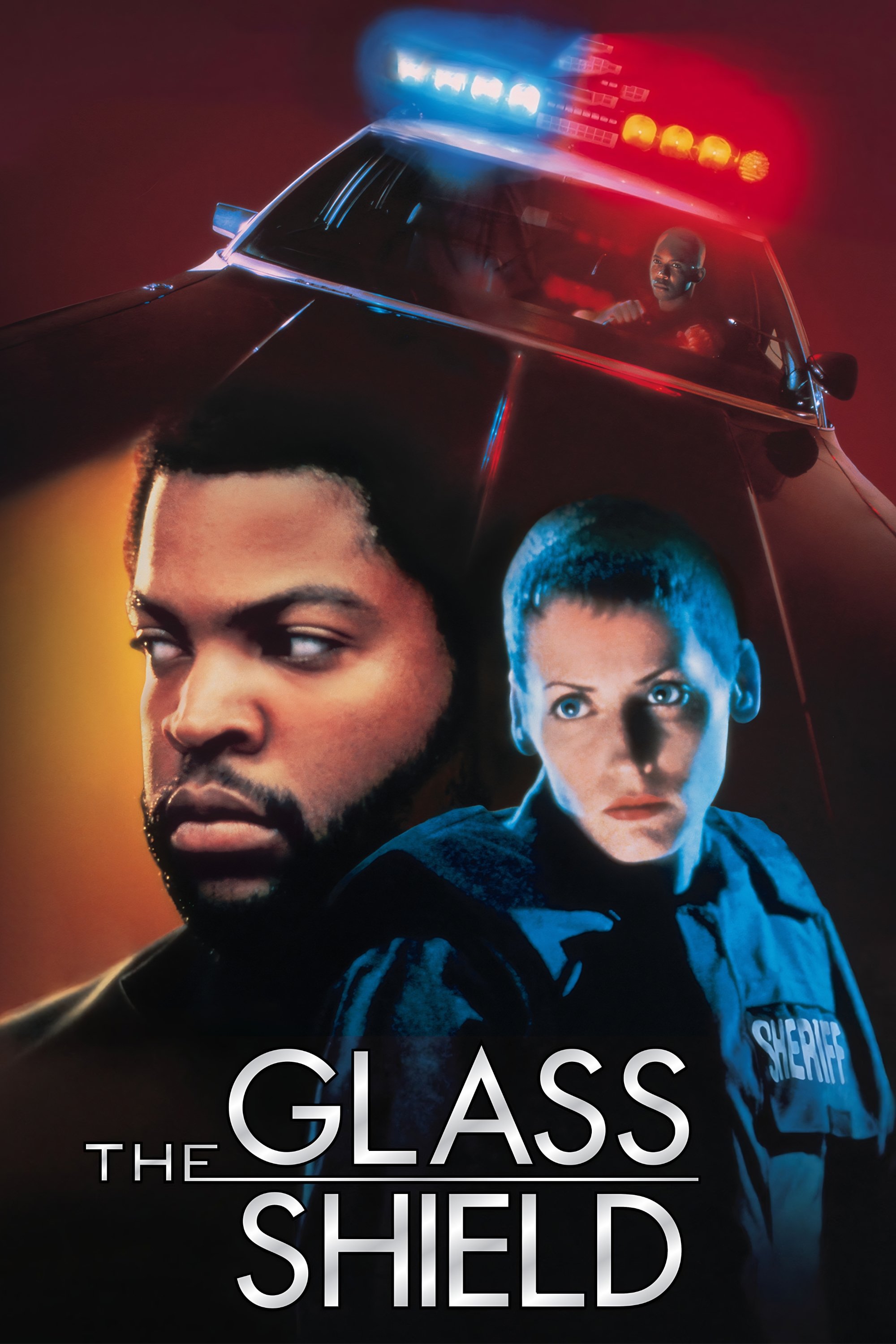
The Glass Shield
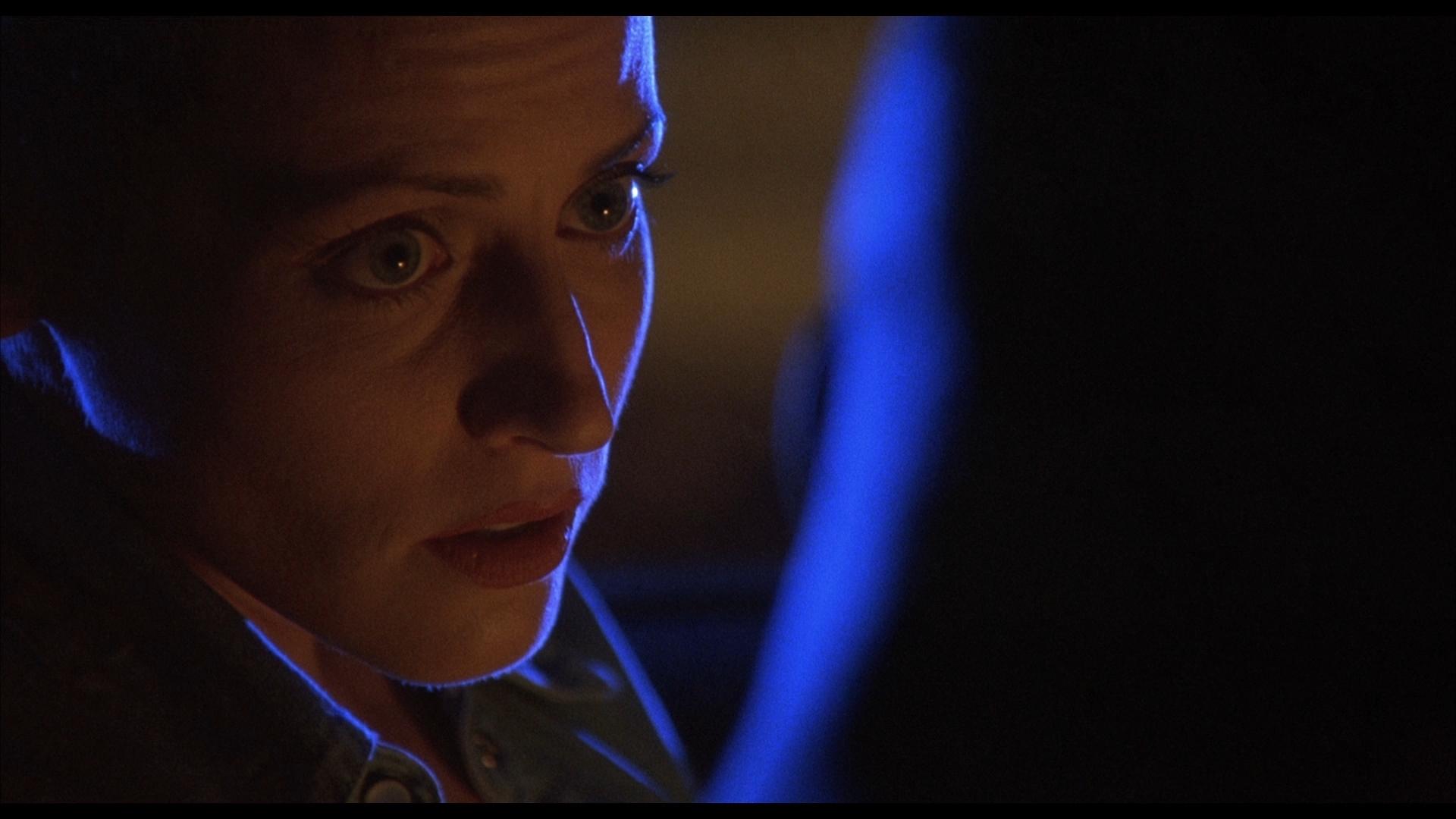
J.J. is a rookie in the Sheriff's Department and the first black officer at that station. Racial tensions run high in the department as some of J.J.'s fellow officers resent his presence. His only real friend is the other new trooper, the first female officer to work there, who also suffers similar discrimination in the otherwise all-white male work environment. When J.J. becomes increasingly aware of police corruption during the murder trial of Teddy Woods, whom he helped to arrest, he faces difficult decisions and puts himself into grave personal danger in the service of justice.
Insights
Plot Summary
A rookie LAPD officer, Jay Peters, is eager to prove himself and quickly falls in with a corrupt detective, "The Duke." Jay is soon entangled in a web of police brutality, racism, and conspiracy, forcing him to confront his own moral compass. He must decide whether to uphold the law or protect his fellow officers, even as the system seems designed to fail those it's meant to serve.
Critical Reception
The Glass Shield garnered critical acclaim for its unflinching portrayal of racism and corruption within the LAPD. Critics praised Charles Burnett's direction and the film's raw authenticity, though some found its narrative bleak. It is often regarded as an important, albeit often overlooked, examination of systemic issues in policing.
What Reviewers Say
Praised for its stark realism and powerful depiction of institutional racism.
Lauded for Charles Burnett's masterful direction and authentic portrayal of police culture.
Considered a significant and thought-provoking, though often disturbing, social commentary.
Google audience: Viewers found the film to be a powerful and realistic depiction of the challenges faced by officers of color within the LAPD, highlighting its unflinching look at corruption and racism. Many appreciated its gritty atmosphere and compelling performances, though some noted its heavy and somber tone.
Awards & Accolades
Nominated for the Grand Jury Prize at the Sundance Film Festival in 1995.
Fun Fact
Director Charles Burnett drew inspiration for the film from real-life events and his own experiences and observations during his time in Los Angeles.
AI-generated overview · Verify ratings on official sources