
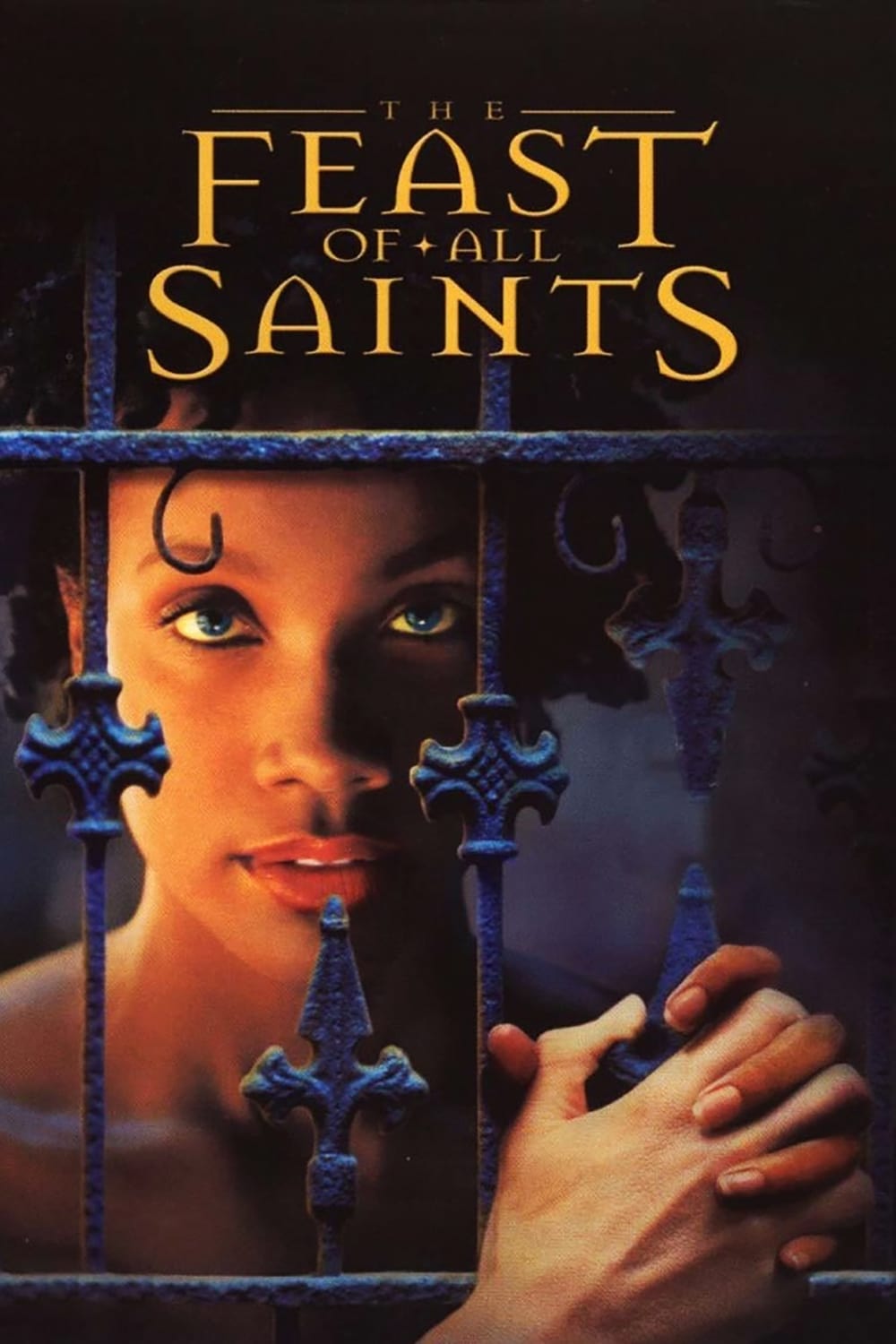

Feast of All Saints
Set in nineteenth-century New Orleans, the story depicts the gens de couleur libre, or the Free People of Colour, a dazzling yet damned class caught between the world of white privilege and black oppression.
Insights
Plot Summary
Set in 1840s New Orleans, the miniseries follows the lives of wealthy free Creole women and the struggles they face as they navigate society, love, and the tumultuous political landscape. It delves into their complex relationships with both white men and enslaved people, highlighting the societal constraints and prejudices of the era. The story explores themes of identity, social standing, and the pursuit of happiness amidst oppression.
Critical Reception
Feast of All Saints received mixed to positive reviews, with many critics praising its ambitious scope and historical detail, particularly in its portrayal of a unique segment of American society. However, some found its pacing uneven and its melodrama occasionally overwhelming. The performances were generally well-received, especially by the lead actors.
What Reviewers Say
- Praised for its detailed depiction of 19th-century New Orleans society and its free Creole population.
- Some reviewers noted that the miniseries occasionally struggled with pacing and was overly melodramatic.
- Performances, particularly from the ensemble cast, were frequently cited as a strong point.
Google audience: Audience reviews are not widely available for this miniseries. Those that exist generally acknowledge its historical setting and dramatic content.
Awards & Accolades
Nominated for a Primetime Emmy Award for Outstanding Art Direction for a Miniseries, Movie or a Dramatic Special.
Fun Fact
The miniseries was based on the novel of the same name by Anne Rice, written under her pseudonym Anne Rampling.
AI-generated overview · Verify ratings on official sources