
Movie spotlight
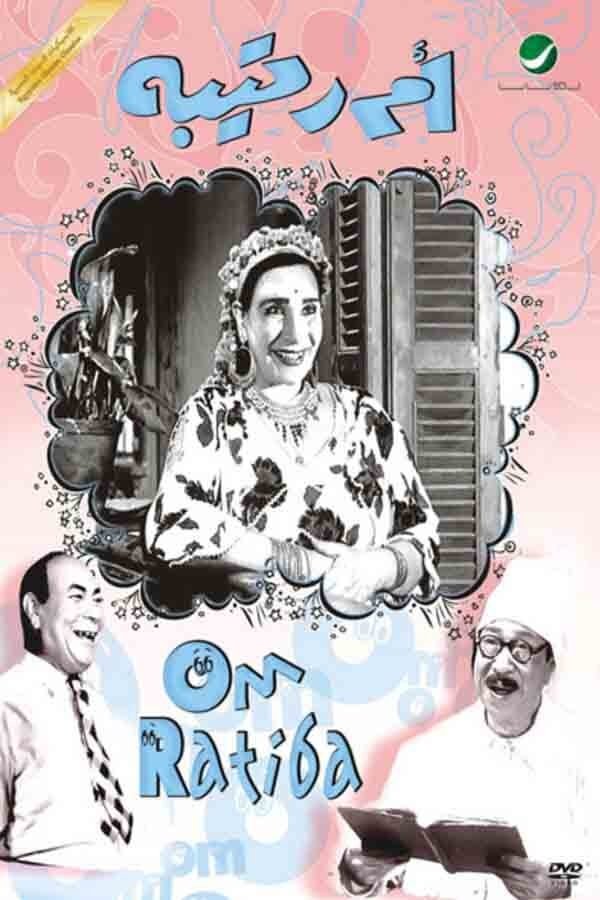
Umm Ratiba
Umm Ratiba and her younger brother are suffering from their older brother Abd Al-Sabour's tyranny. Abd Al-Sabour, who's obsessed with sorcery and charlatanism, refuses her marriage to her neighbor and tries to convince them that he will return after his death to make sure they're following his orders.
Insights
Plot Summary
A young woman named Ratiba is forced into marriage with a cruel man, but she finds solace and love with a kind doctor. Their forbidden romance blossoms amidst societal pressures and the doctor's own complicated life. The film explores themes of love, sacrifice, and the struggle against oppressive traditions.
Critical Reception
Umm Ratiba was a significant film in Egyptian cinema of its era, praised for its sensitive portrayal of romance and societal issues. While not a major critical darling internationally, it resonated deeply with local audiences for its emotional depth and strong performances. It is remembered as a classic melodrama from the golden age of Egyptian films.
What Reviewers Say
Praised for its heartfelt romantic storyline and exploration of societal constraints.
Mariam Fakhr Eddine's performance was noted for its emotional resonance.
Considered a classic example of Egyptian melodrama from the late 1950s.
Google audience: Audience reception for Umm Ratiba is largely positive among those who have seen it, with many appreciating its classic storytelling and emotional impact. The film is often cited as a memorable piece of Egyptian cinematic history.
Fun Fact
The film's director, Fatin Abdel Wahab, was a pioneer in Egyptian cinema, known for his versatility in directing both comedies and dramas.
AI-generated overview · Verify ratings on official sources