Movie spotlight
1919 - Fiume, Città di Vita
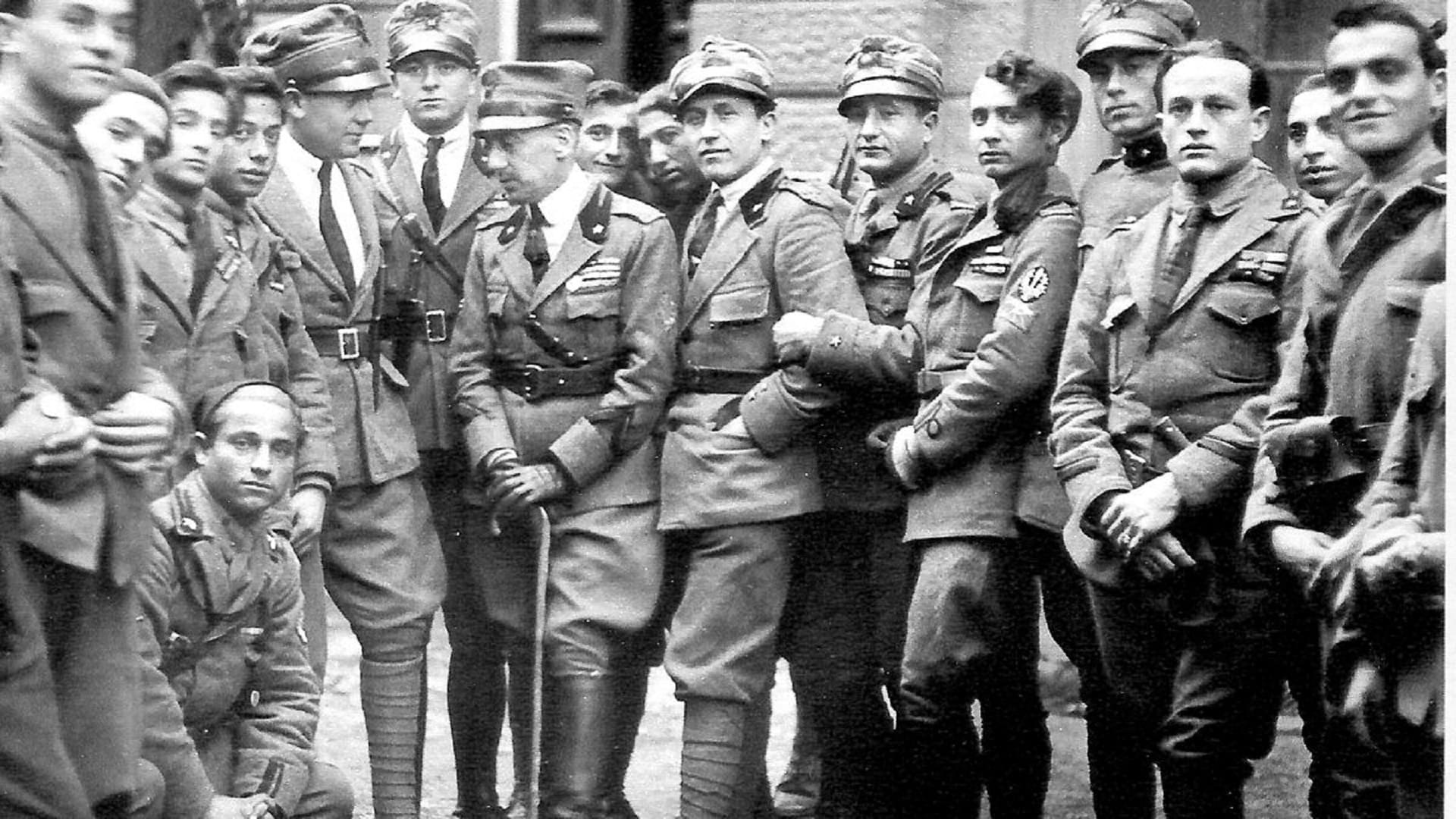
A country torn apart by the First World War. A people mourning over 650,000 fallen in the trenches. Politicians humiliated at the Versailles peace table. A poet-soldier who draws crowds to every rally. A city that becomes an emblem of irredentist and nationalist claims. It was in this Italy that the Fiume enterprise began on 12 September 1919: the adventure of Grabiele d'Annunzio and a handful of legionnaires who set out from Ronchi in Friuli, against the will of the established power, to occupy the Adriatic city and annex it to Italy, establish the Regency of Carnaro, and found a 'myth' destined to influence Italian and international culture and politics, aesthetics and vocabulary, well beyond the Twenty Years of Fascism.
Insights
Plot Summary
The film dramatizes the complex political and social events surrounding the Free State of Fiume (modern-day Rijeka, Croatia) in 1919, following World War I. It focuses on the Italian poet and nationalist Gabriele D'Annunzio's occupation of the city and the ensuing struggle for its control.
Critical Reception
The film received a limited release and garnered a mixed-to-positive reception, praised for its historical ambition and central performances, though some critics noted its narrative complexity and pacing.
What Reviewers Say
Appreciated for its attempt to bring a lesser-known historical event to the screen.
Franco Nero's performance as D'Annunzio was a highlight for many.
Some found the historical context challenging to follow without prior knowledge.
Google audience: Audience reception data from Google is not widely available for this film.
Fun Fact
The film's setting in Fiume (now Rijeka) explores a pivotal moment in post-WWI European history, marking a significant chapter in Italian nationalism and the dissolution of empires.
AI-generated overview · Verify ratings on official sources