
Nutshell
A truly compelling anti-war film from Italy, which echoes Kubrick's earlier masterpiece Paths of Glory. Excellent performances and camera work communicate the message well: war is the most insane kind of hell indeed...
Movie spotlight
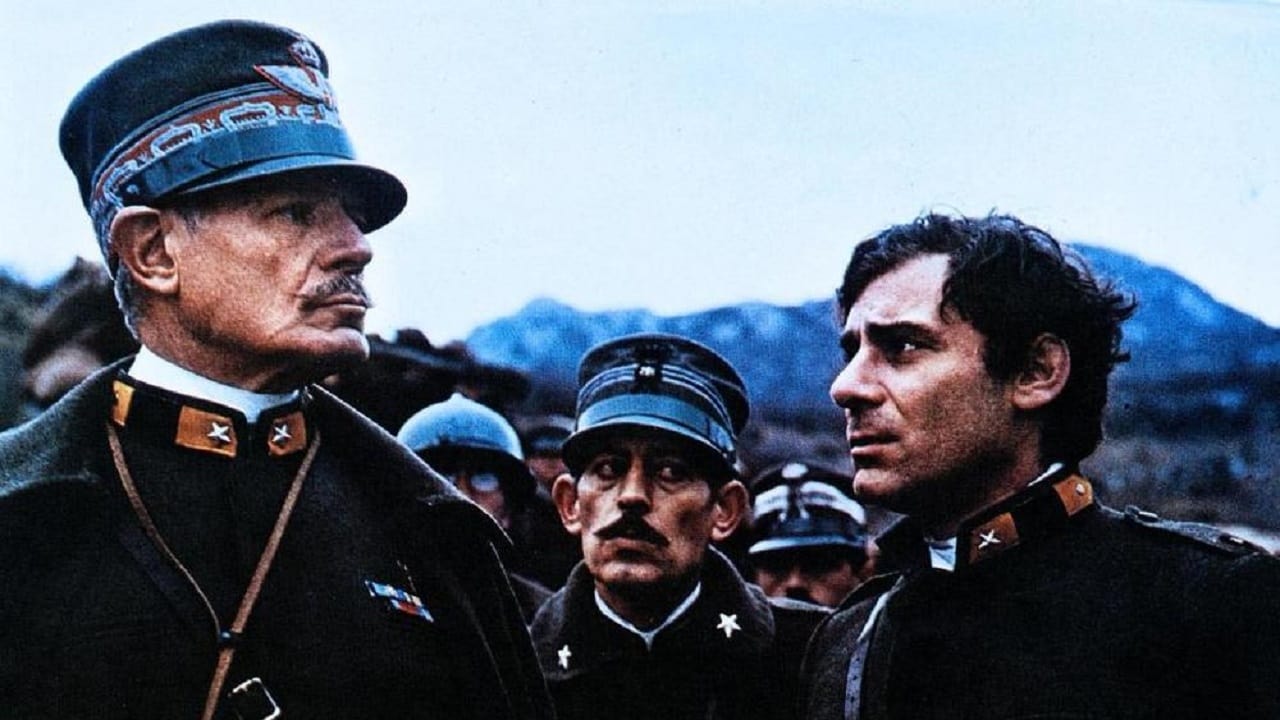
Time after time, soldiers of the Italian Army are forced to leave their mountain trenches in attempts to storm an enemy fortress, always with the same disastrous results. As casualties mount, indignation spreads among the rank and file. Disturbed by his superiors' decisions, Lieutenant Sassu is led to question the purpose of war and reconsider where his real duties lie.
Set during the Italian colonial occupation of Libya, the film follows the brutal suppression of the Senussi uprising. It depicts the harsh realities of colonial warfare, focusing on the actions of Captain Bruno (Franco Nero) and his involvement in the systematic repression of the indigenous population. The narrative explores the moral compromises and psychological toll exacted by such conflicts on the soldiers involved, contrasting their perspectives with the suffering of the colonized people.
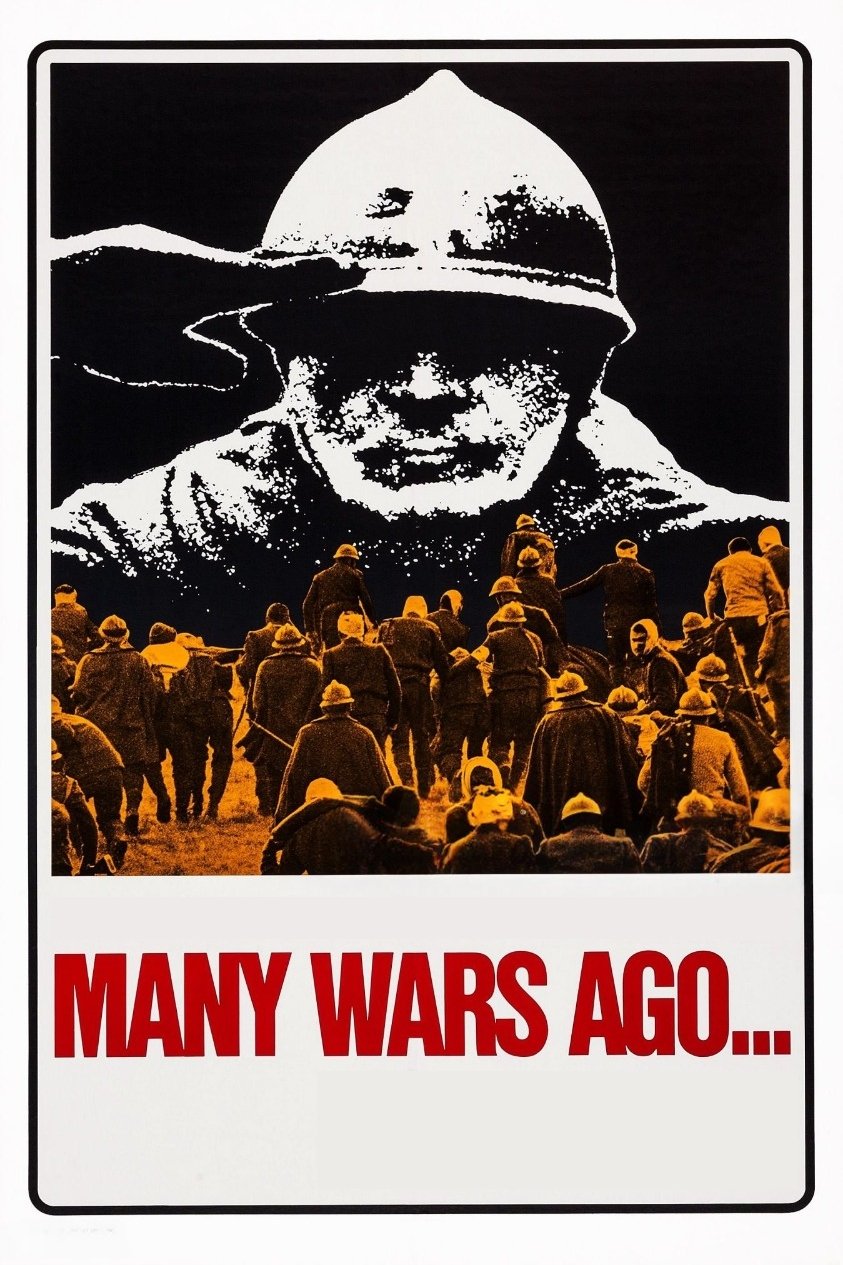
Francesco Rosi's 'Many Wars Ago' is a stark and unflinching examination of the Italian colonial war in Libya, particularly its impact on the Senussi rebellion. Critically, the film was recognized for its powerful anti-war message and its realistic portrayal of the brutal tactics employed by the colonial forces. While it garnered critical praise for its directorial vision and thematic depth, its commercial performance was moderate, and it remains a significant, albeit somber, entry in the genre of war cinema.
Praised for its stark realism and anti-war sentiment.
Commended for its unflinching depiction of colonial brutality.
Noted for its strong directorial control and thematic resonance.
Google audience: Audience reviews are limited but tend to highlight the film's powerful and disturbing portrayal of historical events. Viewers often commend its historical significance and its stark message against the horrors of war and colonialism.
Nominated for the Palme d'Or at the 1970 Cannes Film Festival.
The film was based on historical events and aimed to shed light on a often overlooked and brutal chapter of Italian history, making it a controversial release at the time.
AI-generated overview · Verify ratings on official sources
A truly compelling anti-war film from Italy, which echoes Kubrick's earlier masterpiece Paths of Glory. Excellent performances and camera work communicate the message well: war is the most insane kind of hell indeed...