Movie spotlight
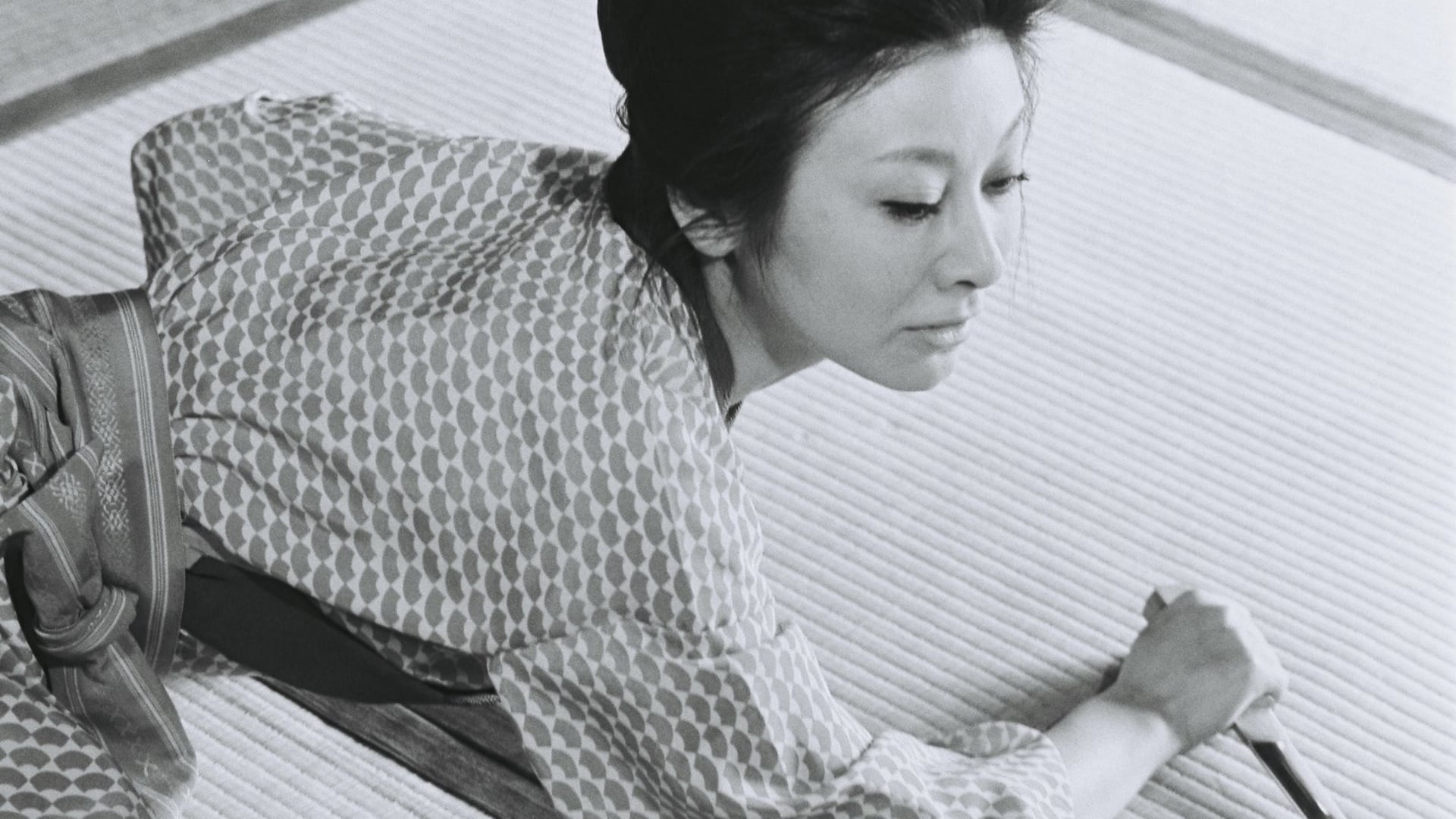
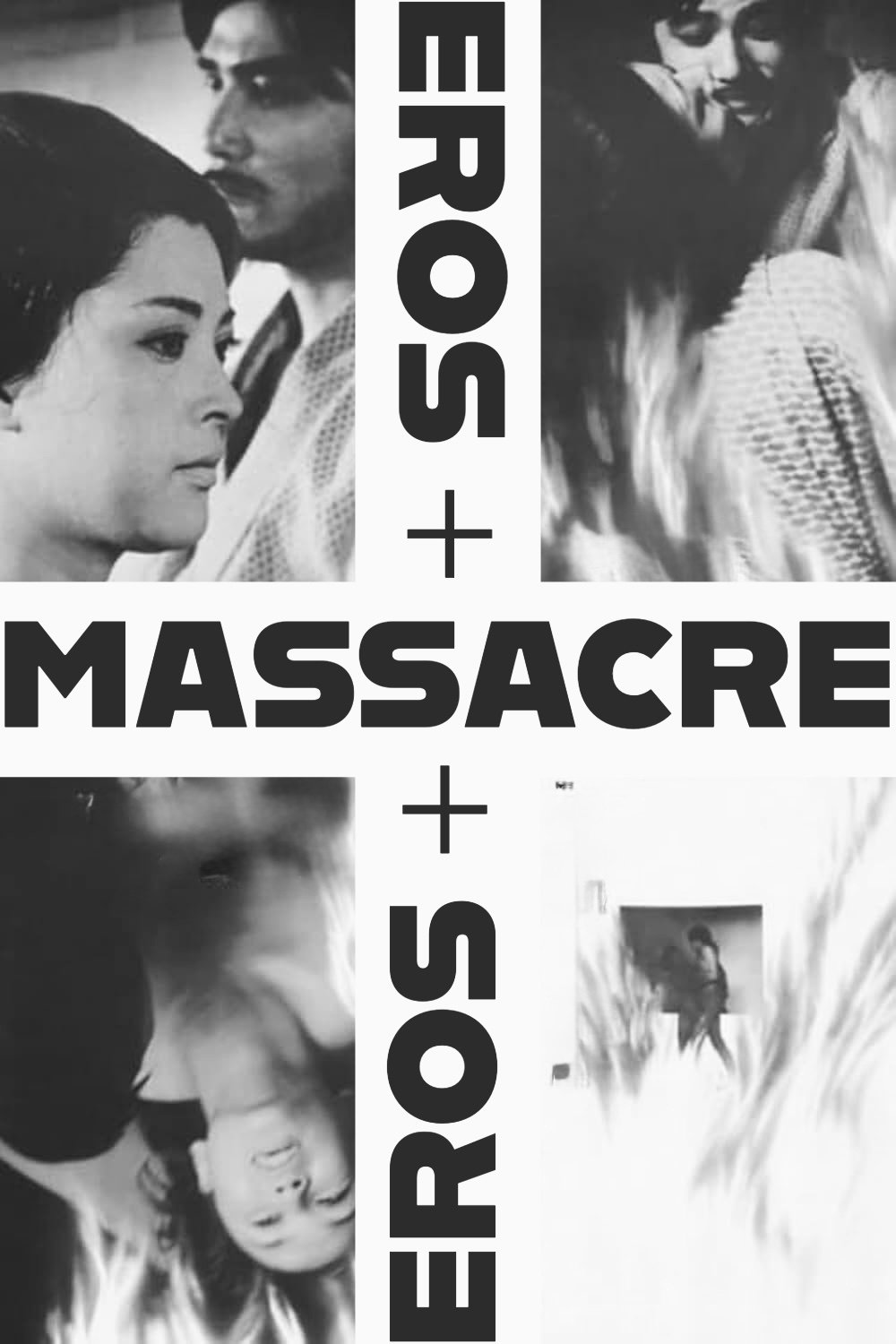
Eros + Massacre
Two interwoven stories. The first is a biography of anarchist Sakae Osugi which follows his relationship with three women in the 1920s. The second centers around two 1960s students researching Osugi's theories.
Insights
Plot Summary
The film interweaves two narratives: the story of an anarchist couple, Sakae Osugi and Noe Ito, in early 20th-century Japan, and a contemporary tale of a young woman, Etsuko, who is married to a young student involved in radical politics. Etsuko becomes increasingly drawn to the historical figures of Osugi and Ito, exploring themes of freedom, sexuality, and political radicalism. As Etsuko delves deeper into their lives, the boundaries between past and present, and between historical fact and personal interpretation, begin to blur.
Critical Reception
Eros + Massacre is widely regarded as a landmark of Japanese cinema and a key work of the Japanese New Wave. Critics praised its intellectual depth, ambitious narrative structure, and unflinching exploration of controversial themes. While challenging and dense, its artistic merit and historical significance are consistently acknowledged.
What Reviewers Say
A dense and intellectually demanding exploration of anarchism, sexuality, and historical memory.
Praised for its complex, non-linear narrative and its daring thematic scope.
Considered a significant and challenging contribution to the Japanese New Wave.
Google audience: Information regarding specific Google user reviews and their sentiment is not readily available for this film.
Fun Fact
The film's director, Yoshishige Yoshida, was married to its star, Mariko Okada, who plays a pivotal role in the film as both Etsuko and a portrayal of Noe Ito.
AI-generated overview · Verify ratings on official sources