
Movie spotlight
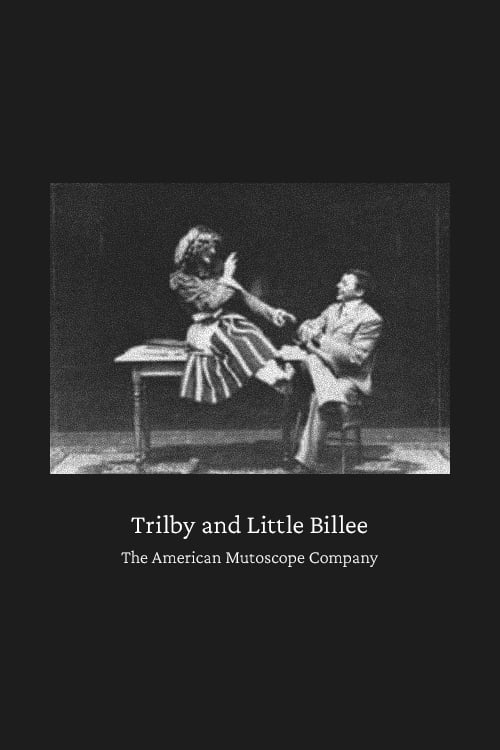
Trilby and Little Billee
Trilby lounges on a table with her shoes off, smoking, laughing, enjoying a piece of cake, and kissing her friend in a scene from the popular eponymous novel and stage play. Now lost, it is considered the first book-to-film adaptation.
Insights
Plot Summary
The film tells the story of Trilby O'Ferrall, a young English artist's model in Paris, and her entanglement with the wealthy and manipulative Svengali. Svengali uses his hypnotic powers to turn Trilby into a celebrated opera singer, though she loses her artistic talent and her identity in the process. Her former lover, Little Billee, struggles to understand Trilby's transformation and Svengali's influence.
Critical Reception
As a silent film from 1896, formal critical reception in the modern sense is scarce. However, the stage play it was based on was immensely popular and controversial, generating significant public discussion about its themes of artistic influence, obsession, and manipulation. The film's success would have been tied to the public's familiarity and fascination with the source material.
What Reviewers Say
The narrative explores the dangerous allure of fame and artistic ambition.
Themes of hypnotic control and the loss of self were considered shocking and compelling for the era.
The story tapped into societal anxieties about artistic integrity and personal agency.
Google audience: Information on Google user reviews from this period is unavailable.
Fun Fact
The film is an adaptation of George du Maurier's 1894 novel 'Trilby', which was a massive bestseller and sparked the fashion craze of the 'Trilby hat'.
AI-generated overview · Verify ratings on official sources