Movie spotlight
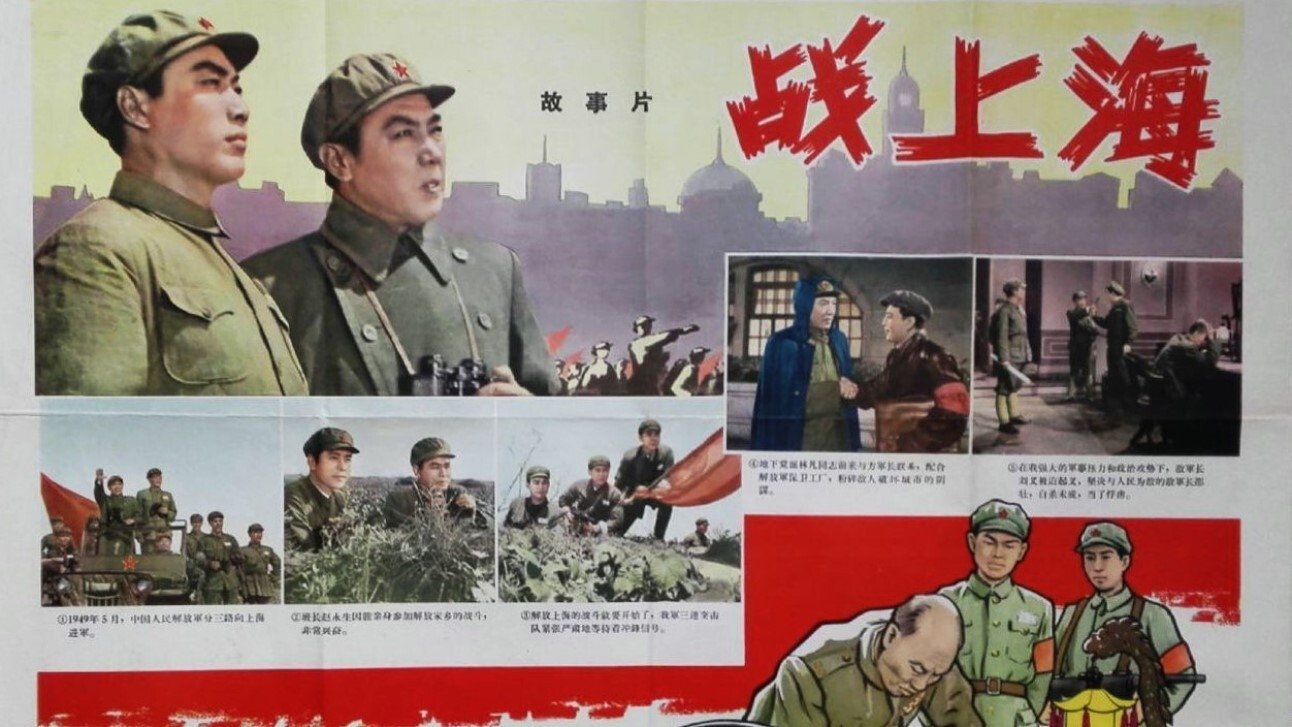
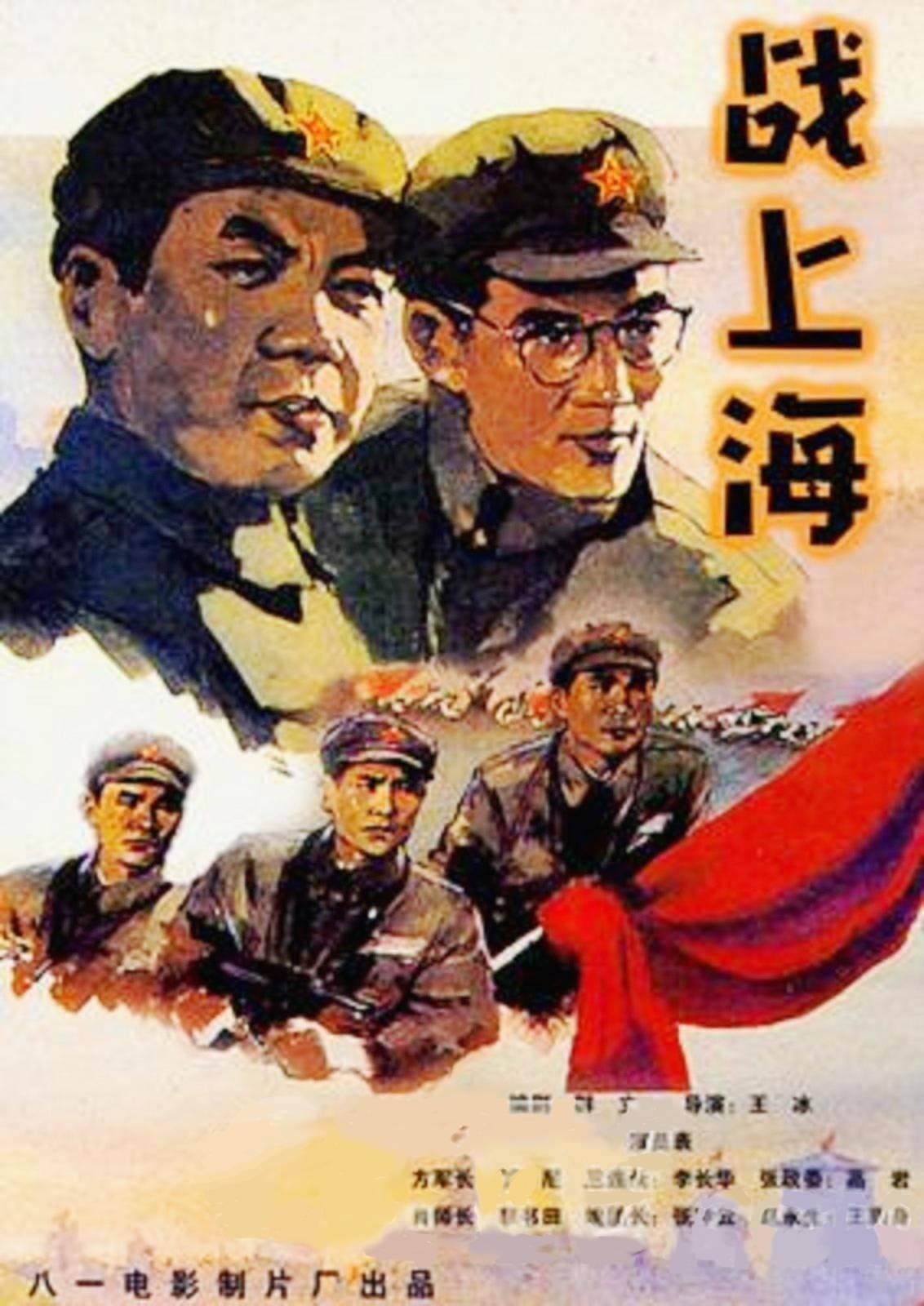
To Liberate Shanghai
After the decisive “Three Battles,” the East China Field Army is ordered to encircle Shanghai. Commander Tang Yunfu’s 300,000-strong KMT garrison readies for a climactic showdown. Under directives to liberate and yet preserve the city, Commander Fang and Commissar Zhang orchestrate a pincer movement, luring Tang’s main force to the suburbs for annihilation while infiltrating Shanghai’s heart. With underground leader Lin Fan’s help, our troops seize territory south of the Suzhou River. The KMT falls back to the north bank, and Liu Yi’s division makes a final stand downtown. Street fighting erupts as our vanguard storms the power plant, city hall, and key installations. Overwhelmed by coordinated military might and political pressure, the remaining defenders hoist the white flag, marking Shanghai’s liberation.
Insights
Plot Summary
Set during the Chinese Civil War, this film depicts the People's Liberation Army's strategic campaign to capture Shanghai. It focuses on the military operations, the intricate planning involved, and the ideological struggle against the Nationalist forces.
Critical Reception
As a propaganda film from the People's Republic of China during its early years, 'To Liberate Shanghai' was primarily intended to glorify the Communist victory. Its reception within China was largely positive, aligning with the state's narrative. International critical reception is scarce due to its historical context and limited distribution outside of China.
What Reviewers Say
Praised for its depiction of military strategy and the triumph of the People's Liberation Army.
Seen as a significant historical document reflecting the PRC's early cinematic output.
Its artistic merits are often secondary to its ideological message.
Google audience: Audience reviews from China generally commend the film for its patriotic themes and its portrayal of a pivotal historical moment in the nation's founding. It is viewed as an important piece of national heritage.
Awards & Accolades
None notable internationally; likely received domestic recognition within China during its era.
Fun Fact
The film was one of the earliest major cinematic productions in the PRC to focus on the military aspects of the Civil War, setting a precedent for subsequent war films.
AI-generated overview · Verify ratings on official sources