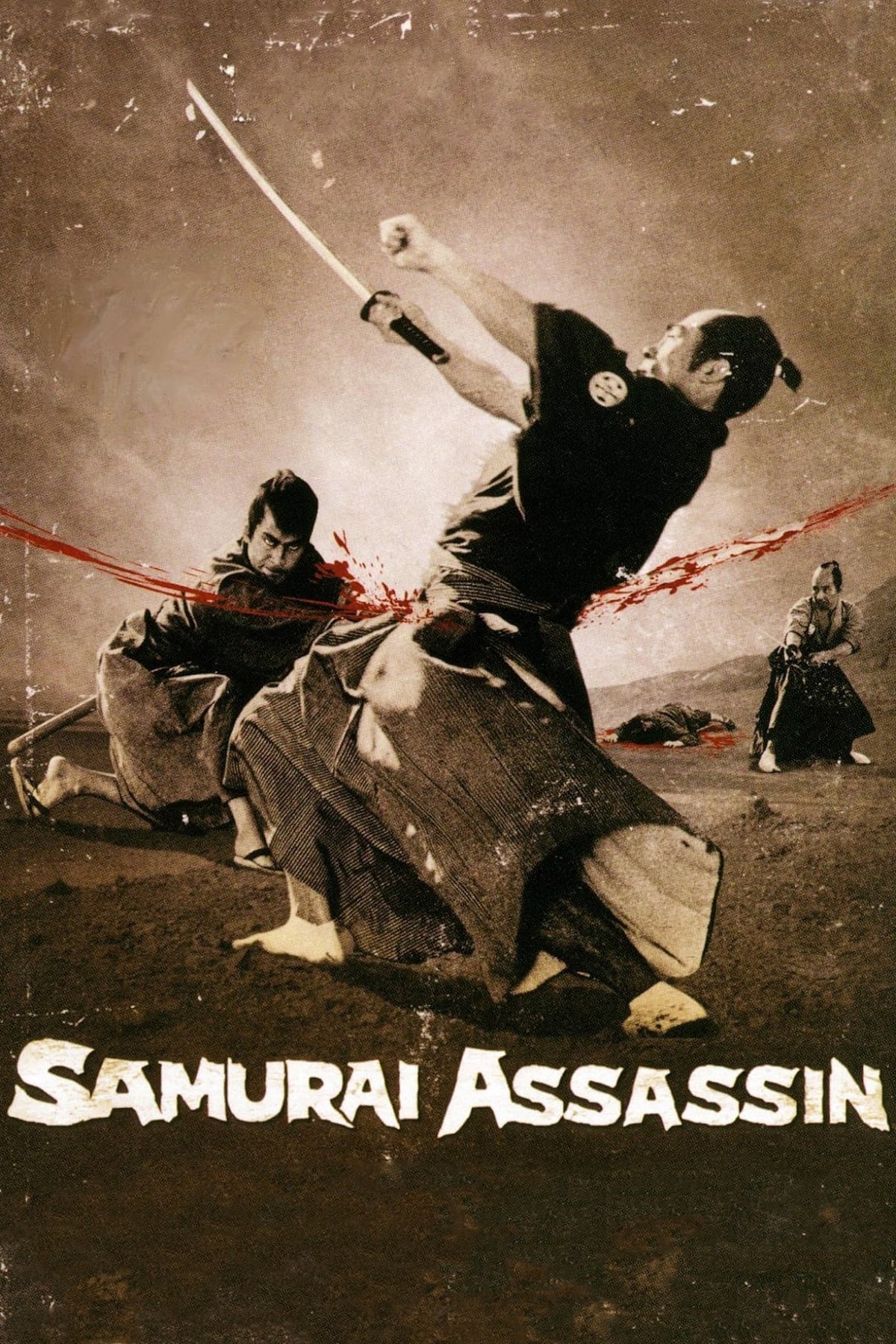

Samurai Assassin
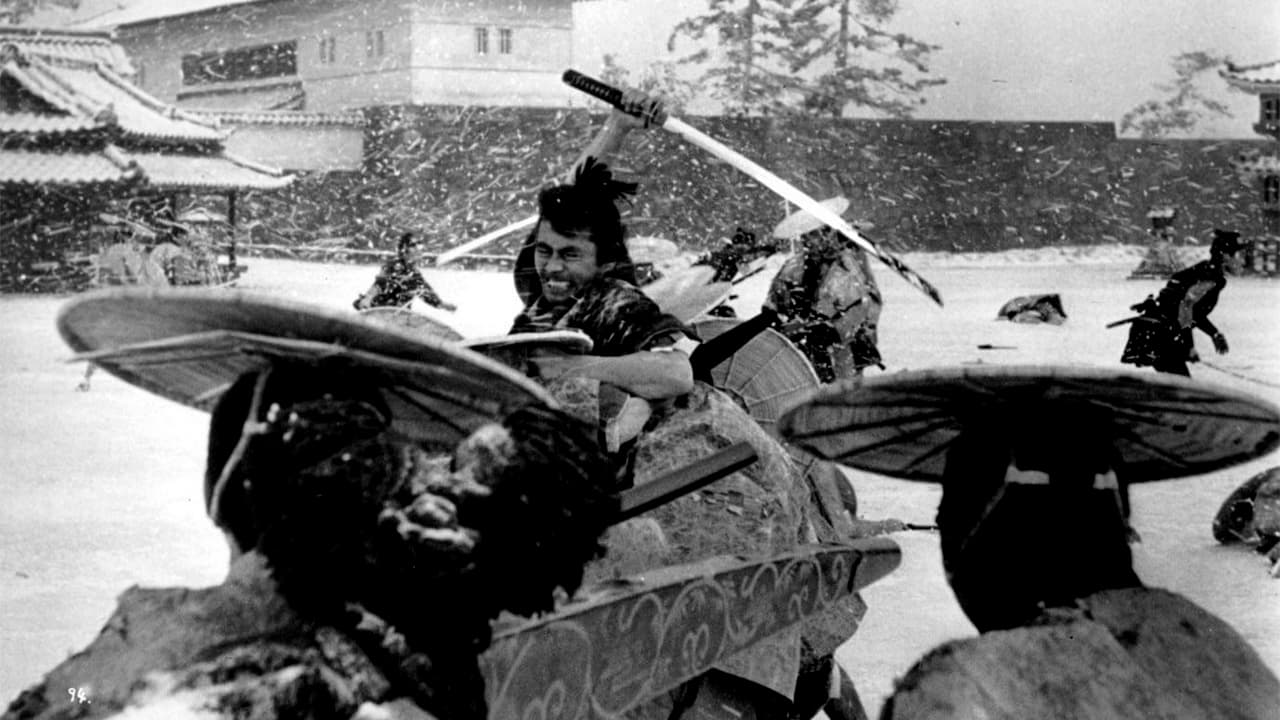
Japan, 1860. The men of the Mito clan, victims of the Ansei purge, anxiously prowl around the Sakurada Gate of Edo Castle with the intention of assassinating Naosuke Ii of Hikone, tairō of the Tokugawa shogunate and responsible for their misfortune.
Insights
Plot Summary
Set during the tumultuous Bakumatsu period, the film follows a group of ambitious samurai plotting to assassinate government officials deemed corrupt and tyrannical. As political tensions escalate, they grapple with their loyalties, honor, and the consequences of their violent actions. The narrative culminates in a desperate struggle for power and a bloody confrontation that reshapes Japan's future.
Critical Reception
Samurai Assassin is widely regarded as a powerful and complex historical drama, praised for its intense action sequences, strong performances, and unflinching portrayal of political intrigue and moral ambiguity. Critics often highlight its thematic depth and its relevance to contemporary political discourse, while audiences appreciate its thrilling narrative and masterful direction.
What Reviewers Say
- Praised for its gripping depiction of political intrigue and samurai action.
- Lauded for the compelling performances, particularly from Toshiro Mifune.
- Commended for its thoughtful exploration of honor, loyalty, and revolution.
Google audience: Google user reviews are not readily available for this film.
Fun Fact
The film was part of Toho's 'Kurosawa-style' samurai films, though directed by Kihachi Okamoto, it features many actors and stylistic elements often associated with Akira Kurosawa's works.
AI-generated overview · Verify ratings on official sources