
Movie spotlight
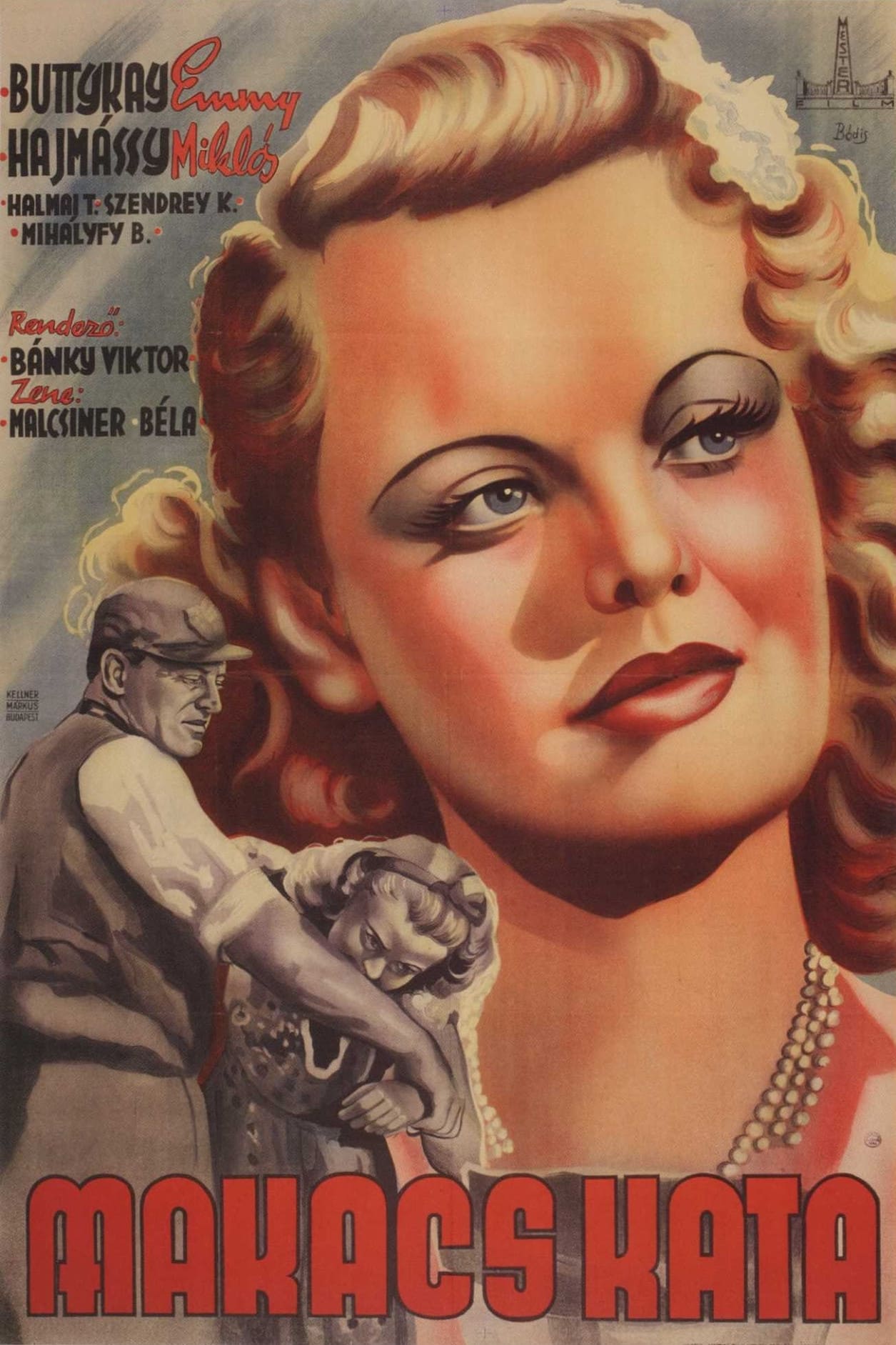
Kata, the Shrew
Kata Juhász is the shrew in this updating of Shakespeare's play. Kata's wedding is scheduled but her groom deserts her over her whims. In order to prevent the guests from being disappointed, she hires a tramp from the banks of the Danube to play the role of the groom. The tramp, Chief Engineer Péter Szabó, doesn't bend to her caprices. This leads to confusion and resolution in the Shakespearian fashion.
Insights
Plot Summary
In this Hungarian comedy-drama, a spirited and independent young woman named Kata clashes with societal expectations and traditional gender roles. Her strong will and unconventional ways often lead to humorous situations and conflicts with those around her, particularly potential suitors and her own family. The story follows her journey as she navigates love, her own desires, and the pressures of conforming to the norms of 1940s Hungary.
Critical Reception
While specific critical reviews from 1943 are scarce in English-language databases, "Kata, the Shrew" was a notable production in Hungarian cinema. It is generally remembered for its charming performances and lighthearted approach to a relatable theme of female independence.
What Reviewers Say
Praised for its witty portrayal of a strong female lead.
Appreciated for its humor and lighthearted exploration of societal expectations.
Noted for its charming performances, particularly by Böske Lukács.
Google audience: Audience reception information for "Kata, the Shrew" is not readily available in English-language sources.
Fun Fact
The film is a Hungarian production and was part of the country's cinematic output during World War II, offering a form of escapism and social commentary.
AI-generated overview · Verify ratings on official sources