Movie spotlight
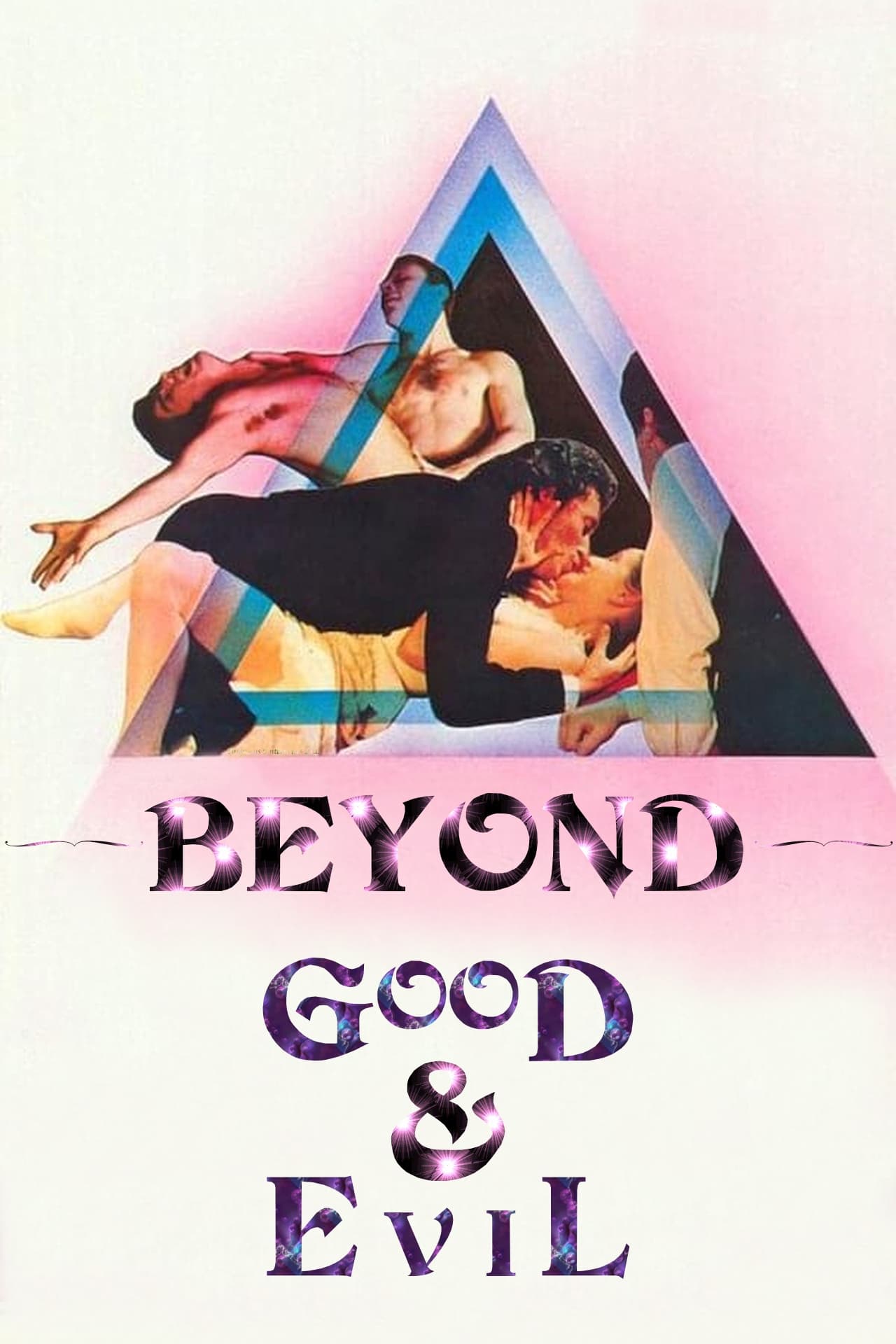
Beyond Good and Evil
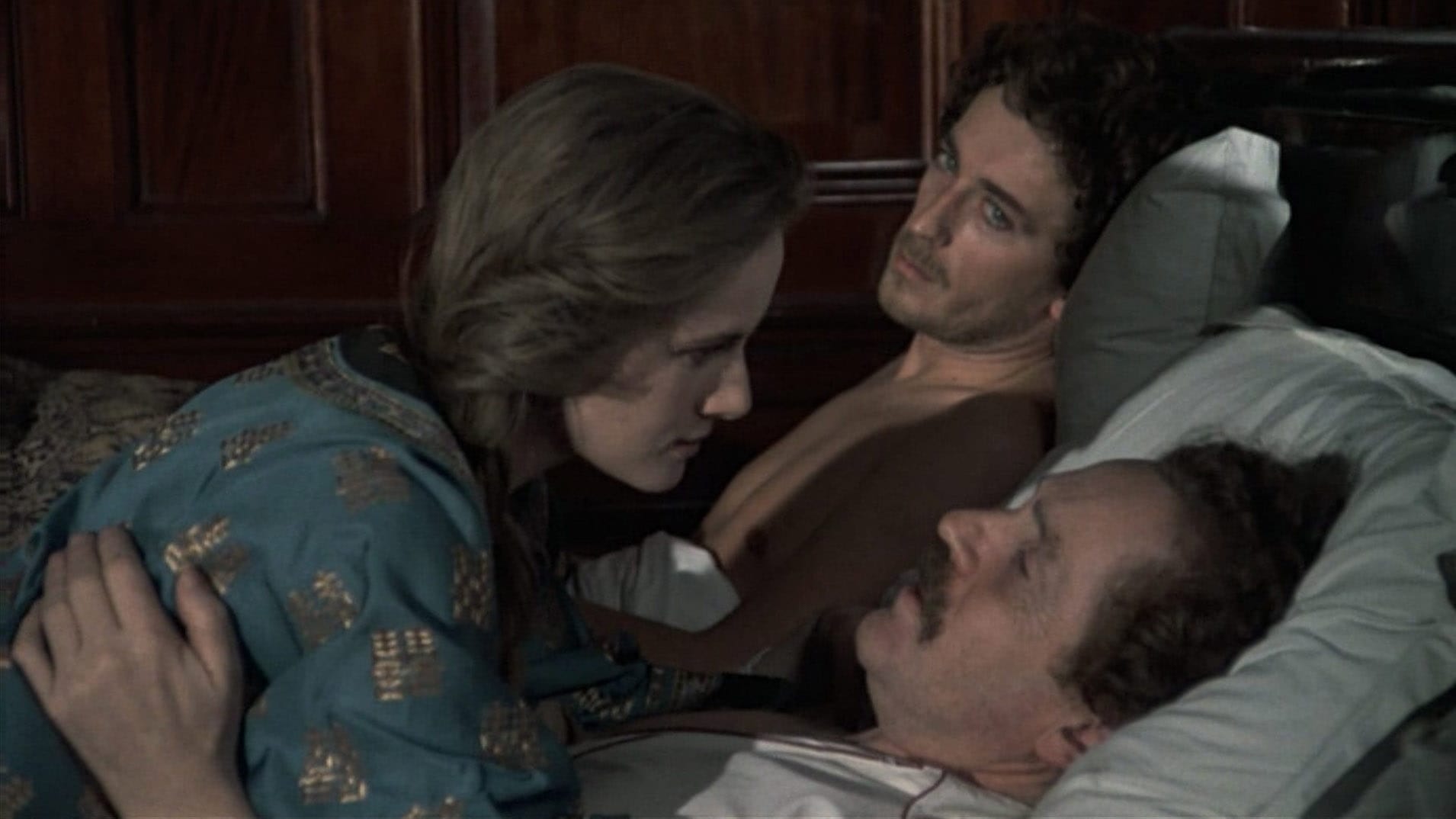
The German philosopher Friedrich Nietzsche and his Jewish companion Paul Ree meet a beautiful young Russian intellectual and draw her into a ménage-à-trois.
Insights
Plot Summary
In 1880s Europe, the acclaimed philosopher Friedrich Nietzsche grapples with his declining health and his radical ideas about morality, truth, and the 'will to power.' He finds himself drawn into a complex and unconventional relationship with Lou Salomé, a charismatic intellectual, and her intellectual companion, Paul Rée, challenging societal norms and his own profound beliefs.
Critical Reception
Beyond Good and Evil received a mixed to positive reception upon its release. Critics often praised its intellectual depth, striking visuals, and the performances of its lead actors, particularly Dominique Sanda. However, some found its pacing deliberate and its philosophical explorations dense, leading to a somewhat polarized critical response. Audiences were generally intrigued by its ambitious subject matter and artistic presentation.
What Reviewers Say
Praised for its visual style and intellectual ambition.
Sanda's performance as Lou Salomé was frequently highlighted.
Some found the philosophical discourse challenging or overly slow.
Google audience: Information not available.
Awards & Accolades
Nominated for the Palme d'Or at the 1977 Cannes Film Festival.
Fun Fact
The film's production was reportedly challenging, with director Liliana Cavani often clashing with crew members over her artistic vision and the film's unconventional approach to portraying historical figures.
AI-generated overview · Verify ratings on official sources