Movie spotlight
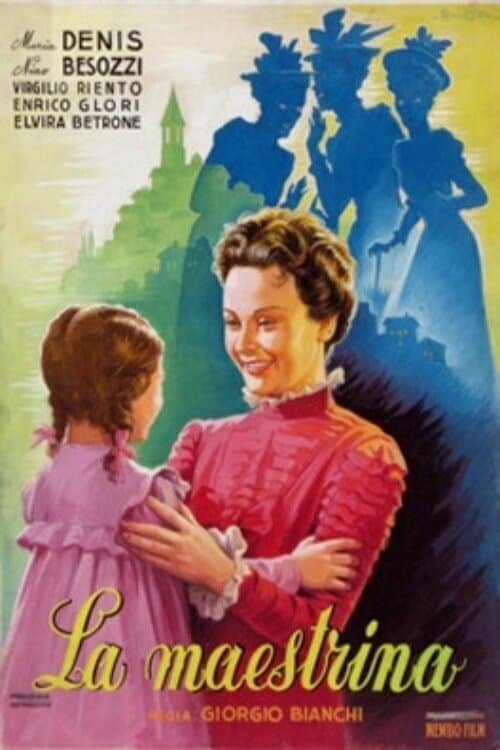
La maestrina
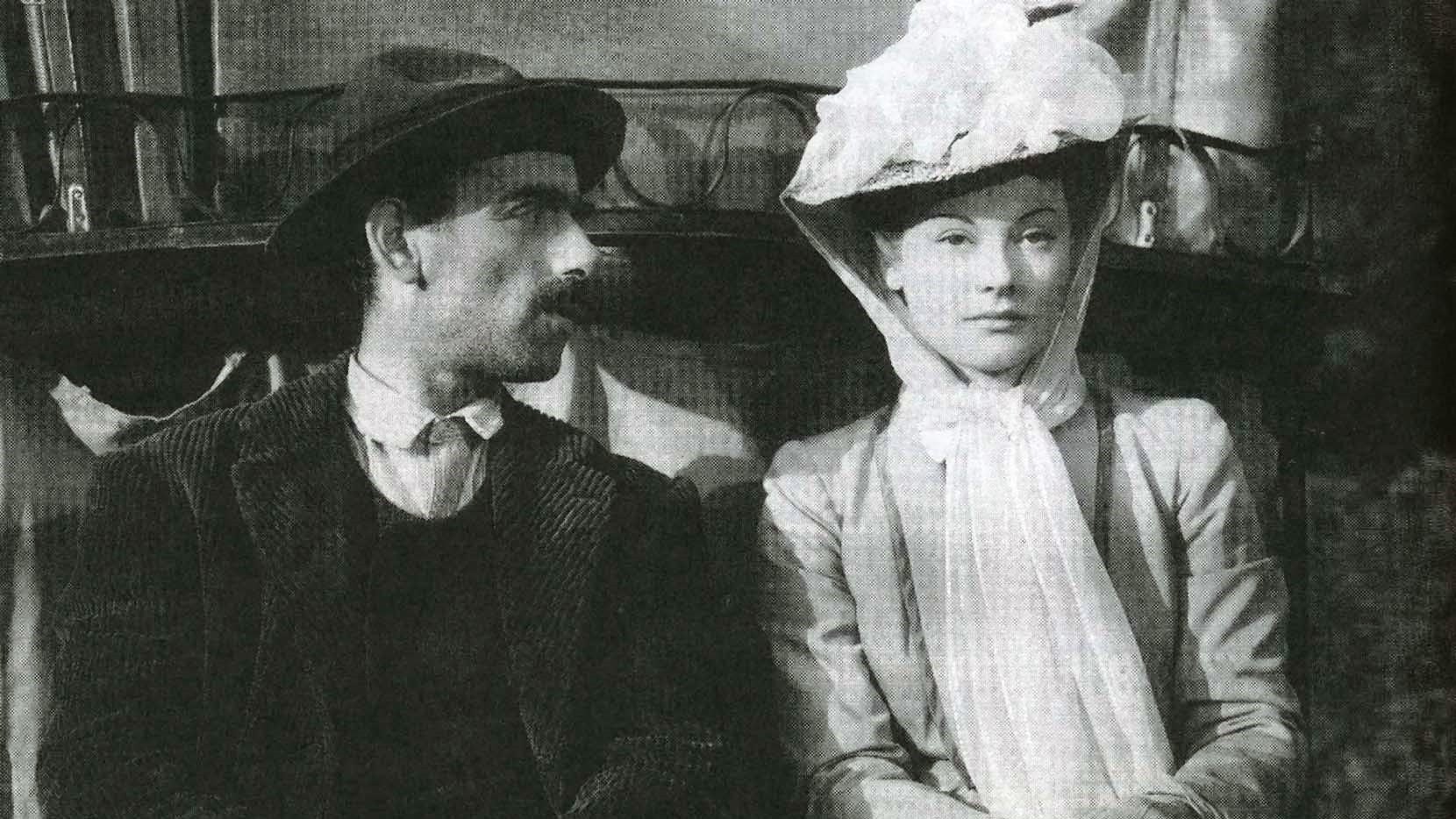
In a small mountain town, a new teacher arrives, Maria Bini, who, with her extreme confidentiality, arouses people's curiosity and gossip. The young mayor of the village feels attracted to the girl and begins to court her.
Insights
Plot Summary
A young, idealistic schoolteacher named Paola arrives in a small, rural Italian village determined to bring modern educational methods to the children. She clashes with the conservative local community and the stern parish priest who resist her progressive ideas. Paola must navigate the societal norms and prejudices of the era to fight for her students' right to a better education and ultimately win over the skeptical villagers.
Critical Reception
Upon its release, 'La maestrina' was seen as a reflection of the social and educational debates occurring in Italy at the time. While it garnered some attention for its earnest portrayal of a determined teacher, its impact was largely confined to its domestic audience and it is considered a minor work within Italian cinema of the period. Critical reception was moderate, with some praising its intentions and others finding its narrative somewhat conventional.
What Reviewers Say
Praised for its sincere depiction of educational struggles.
Criticized for a somewhat predictable plot.
Noted for its representation of societal resistance to change.
Google audience: Audience reviews are scarce for this older Italian film, but those available generally appreciate its historical context and the protagonist's dedication to education, though some found the pacing slow.
Fun Fact
The film was produced during the Fascist era in Italy, and its themes of education and societal progress were carefully navigated within the prevailing political climate.
AI-generated overview · Verify ratings on official sources