
Movie spotlight
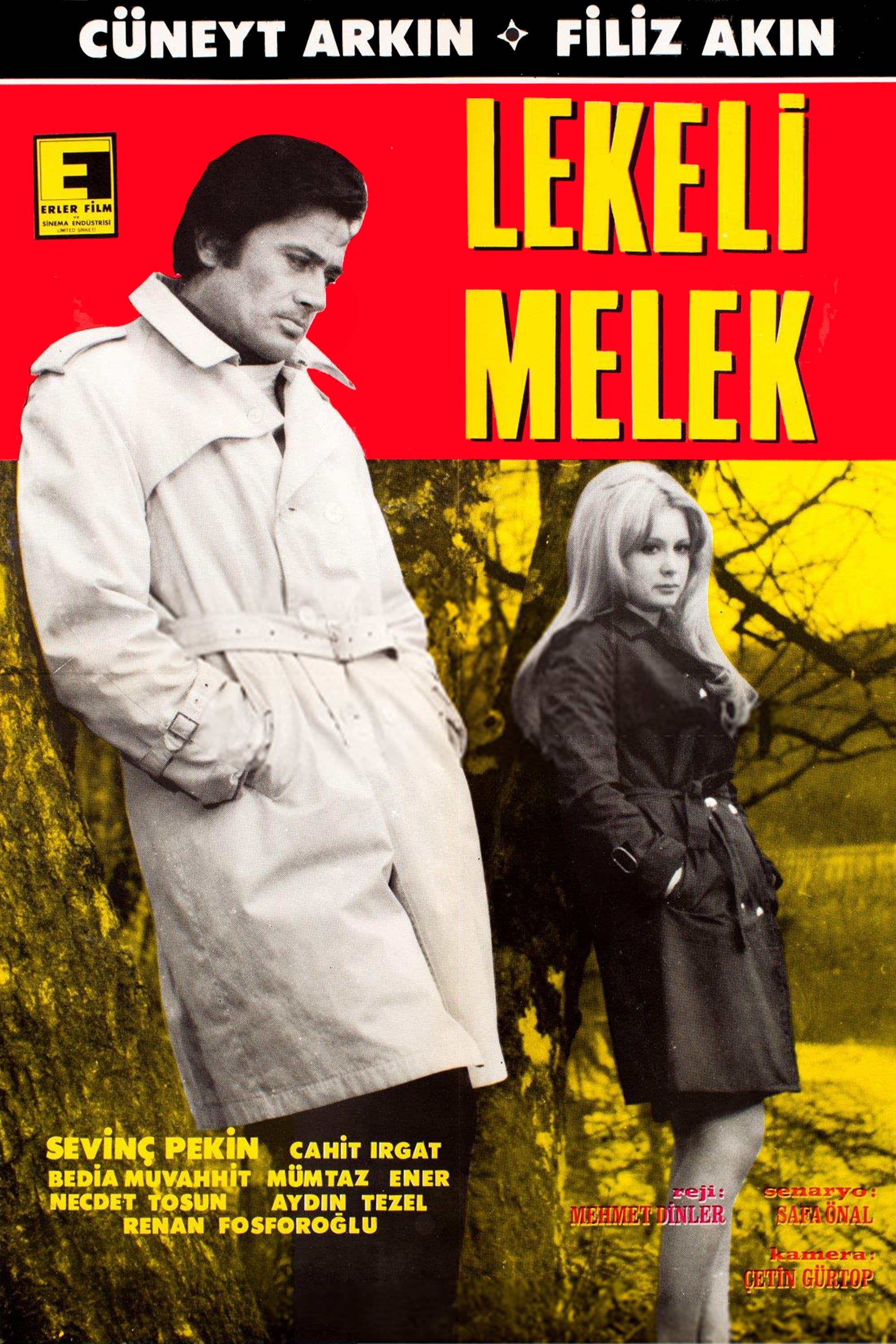
Lekeli Melek
Selma lives a poor life with her sister Leyla and her alcoholic father. Leyla is the mistress of a rich man called Ziya. Selma gets a job as a secretary and her boss Suat turns out to be the man who Leyla has had a short affair with. Selma and Suat fall in love and decide to get married, but Suat's family doesn't accept her as their bride. Leyla is pregnant, she delivers a baby and returns to her lover Ziya leaving Selma the baby. Selma's father tells Suat that baby is his. Selma also tries to explain the situation but Suat doesn't believe her. Selma gets sick and is hospitalized. Leyla reveals the truth to Suat. The sad days are over for the loving couple..
Insights
Plot Summary
In this drama, the story follows the intertwined lives of individuals dealing with personal struggles and societal pressures. A woman's past actions come back to haunt her, leading to a series of dramatic events that affect those around her. The film explores themes of love, betrayal, and the consequences of choices made.
Critical Reception
Information on critical reception for 'Lekeli Melek' from 1969 is scarce in readily available databases. As a film from Turkish cinema of that era, detailed international critical reviews are not commonly archived online. However, films from this period often focused on strong melodramatic narratives and character-driven plots, which typically resonated with domestic audiences.
What Reviewers Say
Often noted for its dramatic performances, particularly from its lead actors.
The film's narrative structure, typical of Turkish melodramas of the era, focuses on emotional intensity.
Explores relatable human struggles within a compelling story.
Google audience: Audience reception details for 'Lekeli Melek' are not widely documented in English-language forums or reviews. Given its release year and origin, it likely holds sentimental value for viewers familiar with Turkish cinema of the period.
Fun Fact
Filiz Akın, one of the leading actresses, was a prominent star in Turkish cinema throughout the 1960s and 1970s, often referred to as the 'Queen of Turkish Cinema'.
AI-generated overview · Verify ratings on official sources