Movie spotlight
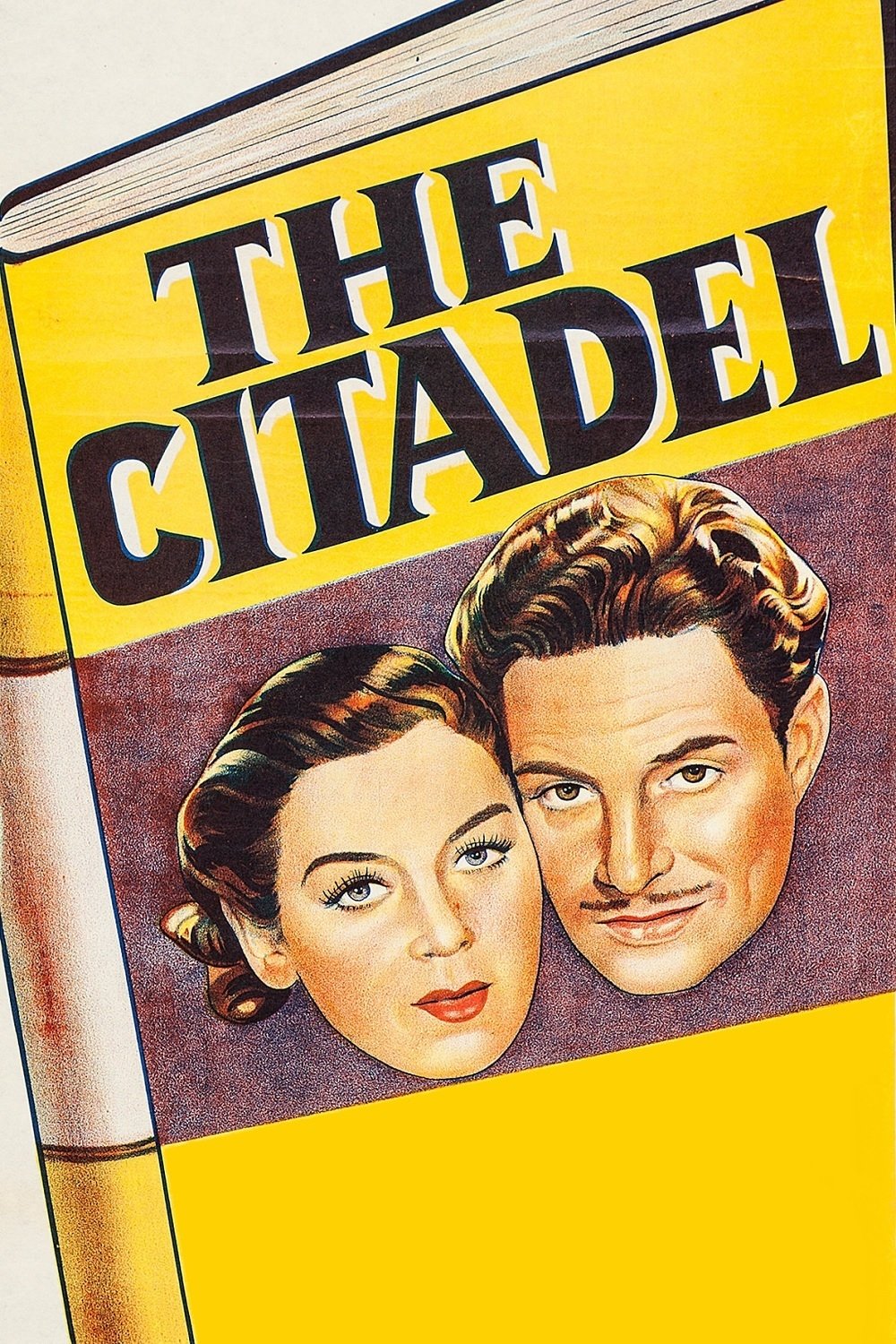
The Citadel
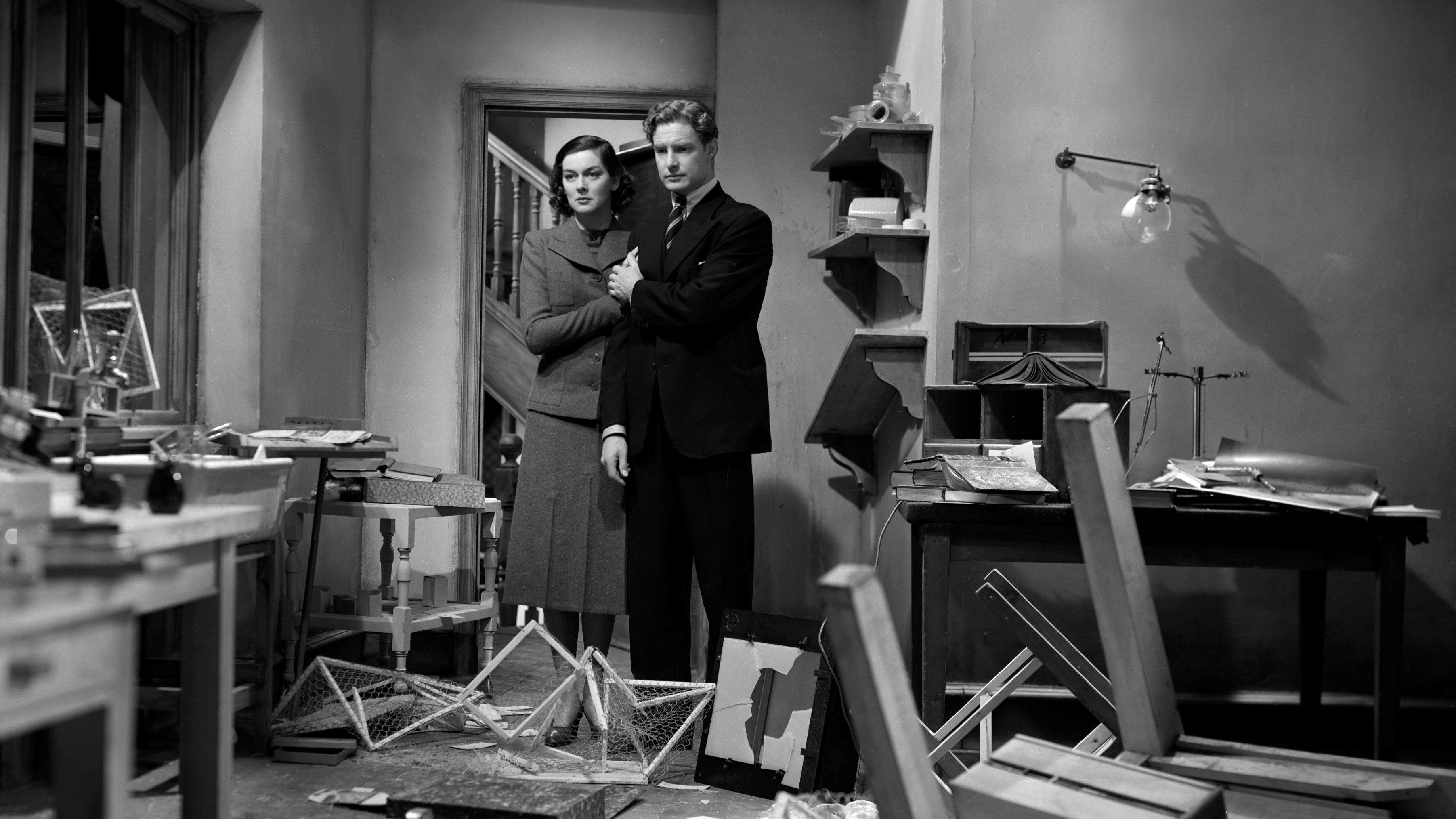
Andrew Manson, a young, idealistic, newly qualified Scottish doctor arrives in Wales takes his first job in a mining town, and begins to wonder at the persistent cough many of the miners have. When his attempts to prove its cause are thwarted, he moves to London. His new practice does badly. But when a friend shows him how to make a lucrative practice from rich hypochondriacs, it will take a great shock to show him what the truth of being a doctor really is.
Insights
Plot Summary
A young Welsh doctor, Andrew Manson, moves to a bleak mining town in South Wales to practice medicine. Despite facing poverty and difficult conditions, he is dedicated to his patients. He falls in love with and marries Christine Barlow, a middle-class artist, but their relationship becomes strained as Andrew becomes increasingly ambitious and drawn into London's medical elite, compromising his ideals. The film explores the ethical dilemmas faced by doctors in the early 20th century.
Critical Reception
The Citadel was critically acclaimed for its powerful story, strong performances, and realistic portrayal of the medical profession and social issues of the time. It was a significant box office success and is considered one of the most important films of its era, lauded for its social conscience.
What Reviewers Say
Praised for its poignant and impactful narrative about medical ethics and societal pressures.
Robert Donat's performance as Dr. Manson was widely lauded as compelling and nuanced.
Appreciated for its unflinching look at the struggles of both doctors and patients in challenging circumstances.
Google audience: While specific Google user ratings from 1938 are unavailable, contemporary reviews highlight its strong dramatic themes and compelling storyline, suggesting it resonated deeply with audiences of its time.
Awards & Accolades
Nominated for the Academy Award for Best Picture, Best Director (King Vidor), Best Actor (Robert Donat), and Best Screenplay.
Fun Fact
The film was based on the best-selling 1937 novel of the same name by A.J. Cronin, who was himself a physician, lending authenticity to the medical aspects of the story.
AI-generated overview · Verify ratings on official sources