
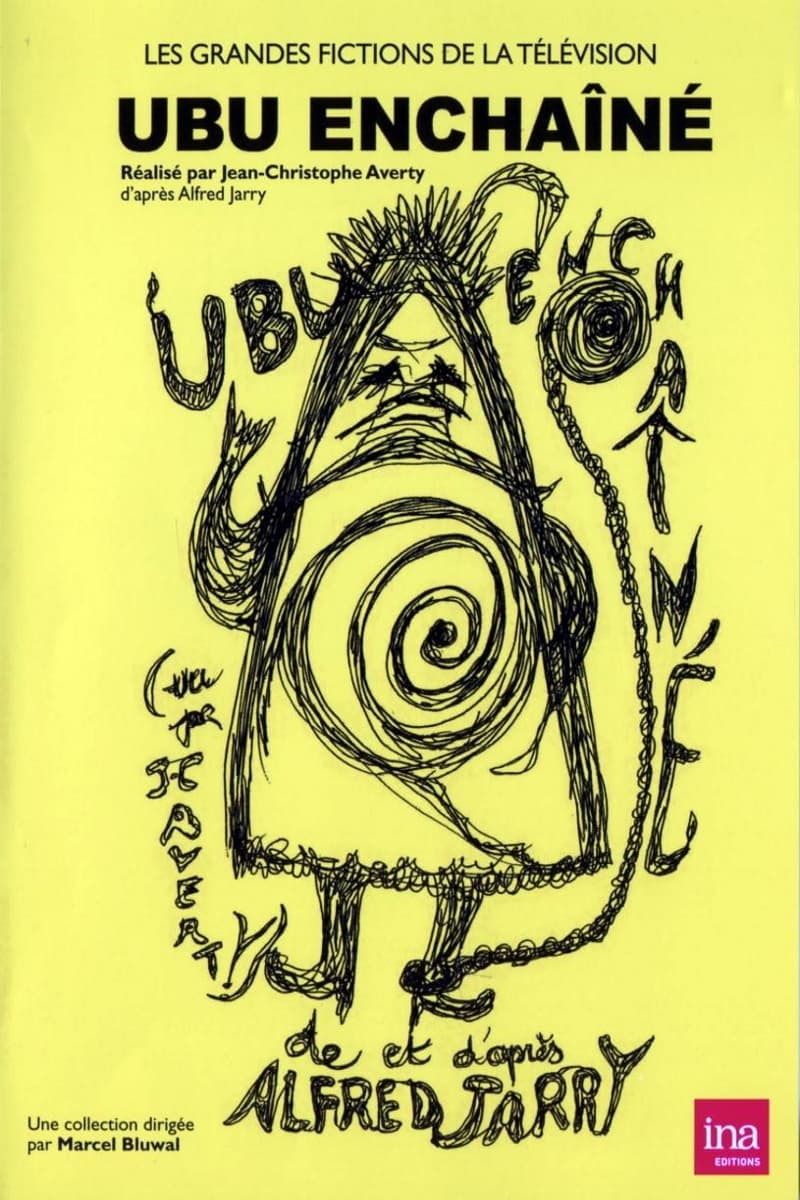
Ubu enchaîné
Father Ubu, grotesque king and symbol of the tyranny of power in Ubu king, decides to become a slave to acquire real power. This is the first sequel to "Ubu roi" (1965) directed by Averty.
Insights
Plot Summary
This surreal and absurdist television adaptation of Alfred Jarry's play 'Ubu Enchained' plunges viewers into the chaotic and grotesque world of Père Ubu. The character, driven by insatiable greed and a lust for power, embarks on a series of nonsensical and violent escapades. The film satirizes societal structures, political corruption, and human folly through a bizarre and often disturbing lens.
Critical Reception
As a television adaptation of a notoriously avant-garde play, 'Ubu enchaîné' received a niche reception, primarily appreciated by those familiar with Jarry's work and experimental cinema. It is recognized for its daring visual style and faithful, albeit idiosyncratic, interpretation of the source material. Its challenging nature meant it was not widely accessible to mainstream audiences.
What Reviewers Say
- A visually striking and audacious adaptation of Jarry's classic absurdist play.
- Captures the chaotic energy and satirical bite of 'Ubu Enchained' through experimental filmmaking.
- Praised for its unique aesthetic and commitment to the play's unsettling themes.
Google audience: Information regarding Google user reviews for this specific television film adaptation is not readily available in public records.
Fun Fact
Jean-Christophe Averty was known for his highly experimental and innovative use of television as an artistic medium, often employing techniques that pushed the boundaries of the format.
AI-generated overview · Verify ratings on official sources