
Insights
Plot Summary
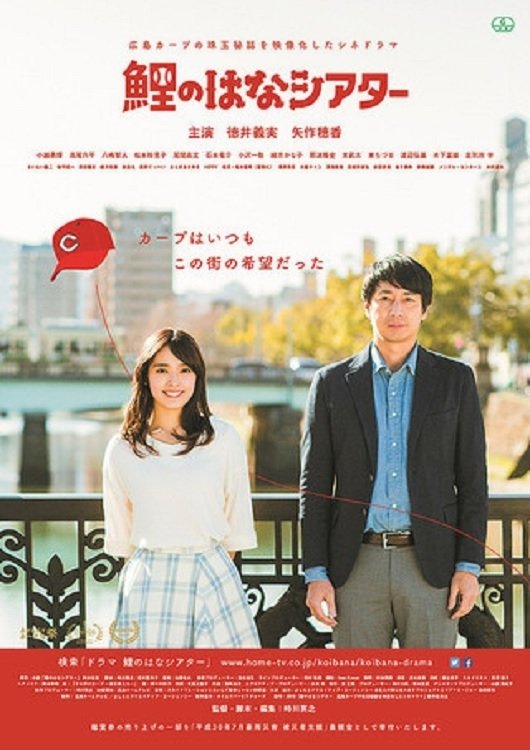
A young man finds himself drawn into a complex and emotionally charged relationship with an older woman who runs a small, independent theater. As their lives become increasingly intertwined, secrets from the past and the pressures of their present circumstances begin to unravel. The film explores themes of love, loss, and the search for connection in the face of societal expectations.
Critical Reception
Hiroshima Carp Theater received a mixed to positive reception from critics, with many praising its deliberate pacing and emotional depth, while some found its length and narrative slow. The performances were frequently highlighted as a strong point, contributing to the film's introspective and melancholic tone. Audience reactions were similarly divided, appreciating its artistic ambition but sometimes struggling with its challenging subject matter and duration.
What Reviewers Say
- Praised for its sensitive portrayal of complex relationships and nuanced performances.
- Criticized by some for its slow pacing and lengthy runtime, which may test viewer patience.
- Applauded for its atmospheric direction and exploration of melancholic themes.
Google audience: Audiences generally appreciated the film's artistic approach and the emotional weight of its central performances, finding it a thought-provoking and moving experience. However, some viewers found the film to be too long and the plot to unfold too slowly for their taste.
Awards & Accolades
Screened at the Toronto International Film Festival and received positive attention for its artistic merit.
Fun Fact
Director Koji Fukada has stated that the film's unusual title was inspired by the contrast between the intimate, theatrical setting and the weighty, almost historical implications of the city of Hiroshima.
AI-generated overview · Verify ratings on official sources